
Make your medical aid work harder for you with smarter healthcare choices
Medical aid isn’t necessarily something we love paying for, so it’s always worth taking the time to see how you can make those savings work better for you.
Here are some helpful strategies to maximise your medical aid benefits and savings.
Quick Read:
- Stick to network doctors and pharmacies as much as possible to reduce out-of-pocket medical costs.
- Preventative health checks and screenings may already be covered by your medical aid.
- Paying for minor items yourself can help preserve your medical savings account.
- Understanding your benefits and coverage limits helps avoid unexpected expenses.
Ask the pharmacist
It’s not always the best idea to rush straight to the doctor for a check-up. Sometimes, you may simply need a quick over-the-counter solution for a minor issue like a headache, sore throat, or allergy. In this way, you can save on paying out of your medical savings account for an unnecessary doctor visit. Remember though – if your symptoms are getting worse, then it’s important to see your doctor as soon as possible.
Stay within your network of doctors
Before booking a doctor or specialist consultation, always check if they are covered by your medical aid. Many medical aids have preferred providers or a network of doctors, which means your visits are fully or partially covered. Seeing a doctor outside of this network could leave you with higher out-of-pocket costs, so it’s best to confirm in advance whether your visit will be paid for. Medical schemes often negotiate rates with these providers, which means you are less likely to face co-payments or additional fees when using a network doctor or hospital.
Choose generic medicines
Generic medicines contain the same active ingredients as brand-name medication but are usually much cheaper. In many cases, generics can cost far less than the original while working in exactly the same way. Always ask your doctor or pharmacist whether a generic option is available for your prescription.
Pay in cash where possible
We don’t want to necessarily use everyday cash for medicine, but in the long run, you may save more. For small everyday items, such as cough syrup and vitamins, try to pay in cash instead of using your medical aid. Small, everyday purchases can quickly eat into your savings or benefits. Paying for these out of pocket helps preserve your medical aid for more expensive or unexpected medical expenses, like hospital visits, surgeries or chronic medications.
Take advantage of free health checks
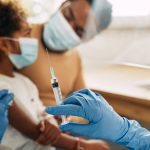
Your medical aid probably offers free health checks, vaccinations and screenings. Take advantage of these opportunities! Freebies mean that you don’t have to use your medical savings account if you suddenly need a health check that may be free, and staying proactive about your health can help you avoid more costly treatments down the road. While you’re at it, one of the best ways to save on medical costs overall is by staying healthy. Prioritise your health NOW to avoid paying later.
Many medical aids offer preventative benefits such as blood pressure checks, cholesterol tests, flu vaccinations, or HIV testing at no additional cost. Do your research into the fine print.
Read the fine print
Take the time to read through your medical aid policy to understand what is and isn’t covered. Some medical aids offer benefits for wellness programmes, dental care, or even mental health support. Knowing your coverage limits will help you make informed decisions and avoid unnecessary costs. In South Africa, medical schemes must cover certain conditions under Prescribed Minimum Benefits (PMBs). These include emergency medical conditions and a range of chronic illnesses, which must be covered regardless of your plan option.

Shop around
Don’t be afraid of shopping around and comparing your current medical plan to others out there on the market. You may decide you can get by with a lower premium plan or even switch to a hospital plan, if that suits your health needs.
Also, regularly monitor how much of your medical aid savings or benefits you’ve used throughout the year. Many medical aids offer online portals or apps where you can track your spending. This is a helpful way to stay on track with your spending, prevent unpleasant surprises, and ensure you have the necessary savings left for emergencies or more serious health issues.
Medical aid can be expensive, but understanding how your benefits work can help you avoid unnecessary costs. By using network providers, making use of preventative benefits, and saving your medical aid funds for bigger expenses, you can make your healthcare cover go much further.
Images: Pixabay and Freepik