
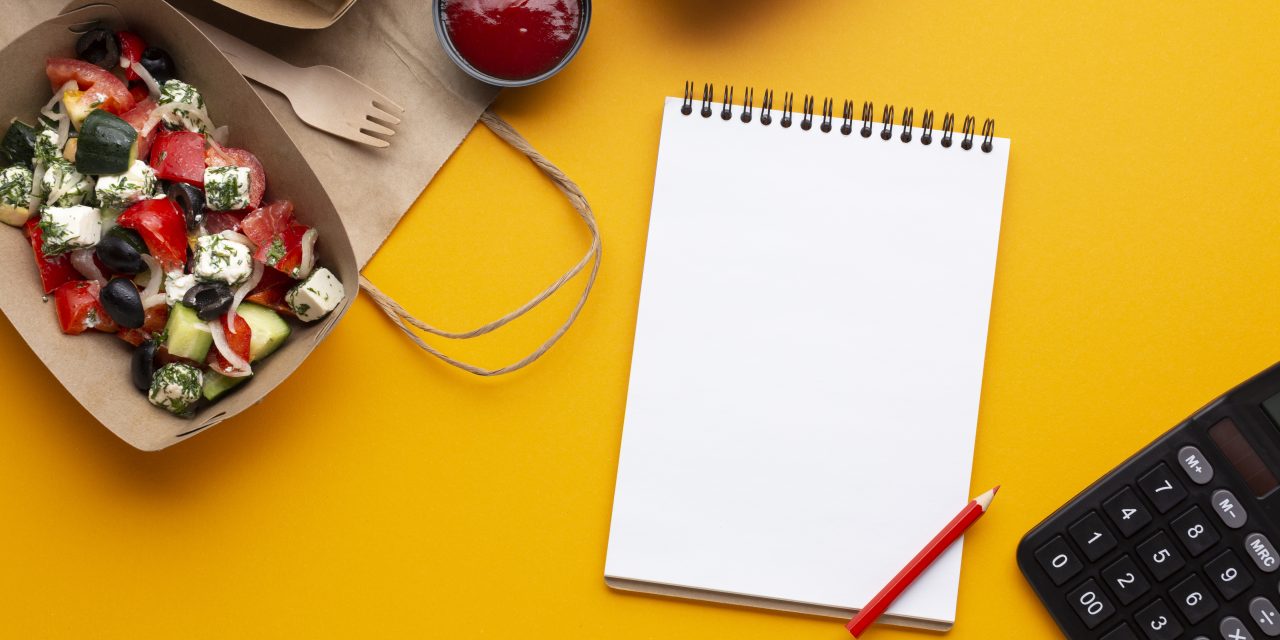
Meal planning advice and low-cost Superfoods so you can stay healthy and still eat well on a budget
If you feel like the world is spinning out of control and the price of everything is escalating every single day, you aren’t alone. Millions of people are feeling the pinch. We are living through a time of massive economic uncertainty, where financial challenges can often feel like a barrier to living your healthiest life.
But nourishing your body doesn’t have to be a luxury. With a few savvy strategies and a dash of creativity, you can eat well on a budget while actually improving your financial health. Consider it a double win: investing in your long-term wellness while keeping your finances intact.
Quick Read:
- Use meal planning to eliminate impulse buys and reduce food waste.
- Swap expensive meats for high-protein legumes like lentils and beans.
- Frozen vegetables are often more nutritious and much cheaper than fresh produce.
Plan like a financial pro
Unlocking the secret to eating well without breaking the bank starts with a powerful tool: the meal plan. Just a little time on a Sunday can transform your shopping habits. When you plan your week, you keep snack attacks and impulse buys in check.
Tip: Before you go to the stores, stroll through your own kitchen aisles. A quick inventory check prevents you from doubling up on things you already have. Build your shopping list based only on what is missing from your master meal plan.
Invest in bulk essentials
When you’re stocking up on pantry staples like grains, legumes, pasta, and canned goods, think big. Buying in bulk isn’t just a shopping trip; it’s a long-term investment for your wallet.
These items have long shelf lives and are lower cost-per-serving. Treat your storage cupboard like a treasure chest; use airtight containers to keep the spoilage risk low and ensure your ingredients remain top-notch for months.
Stock up on frozen options
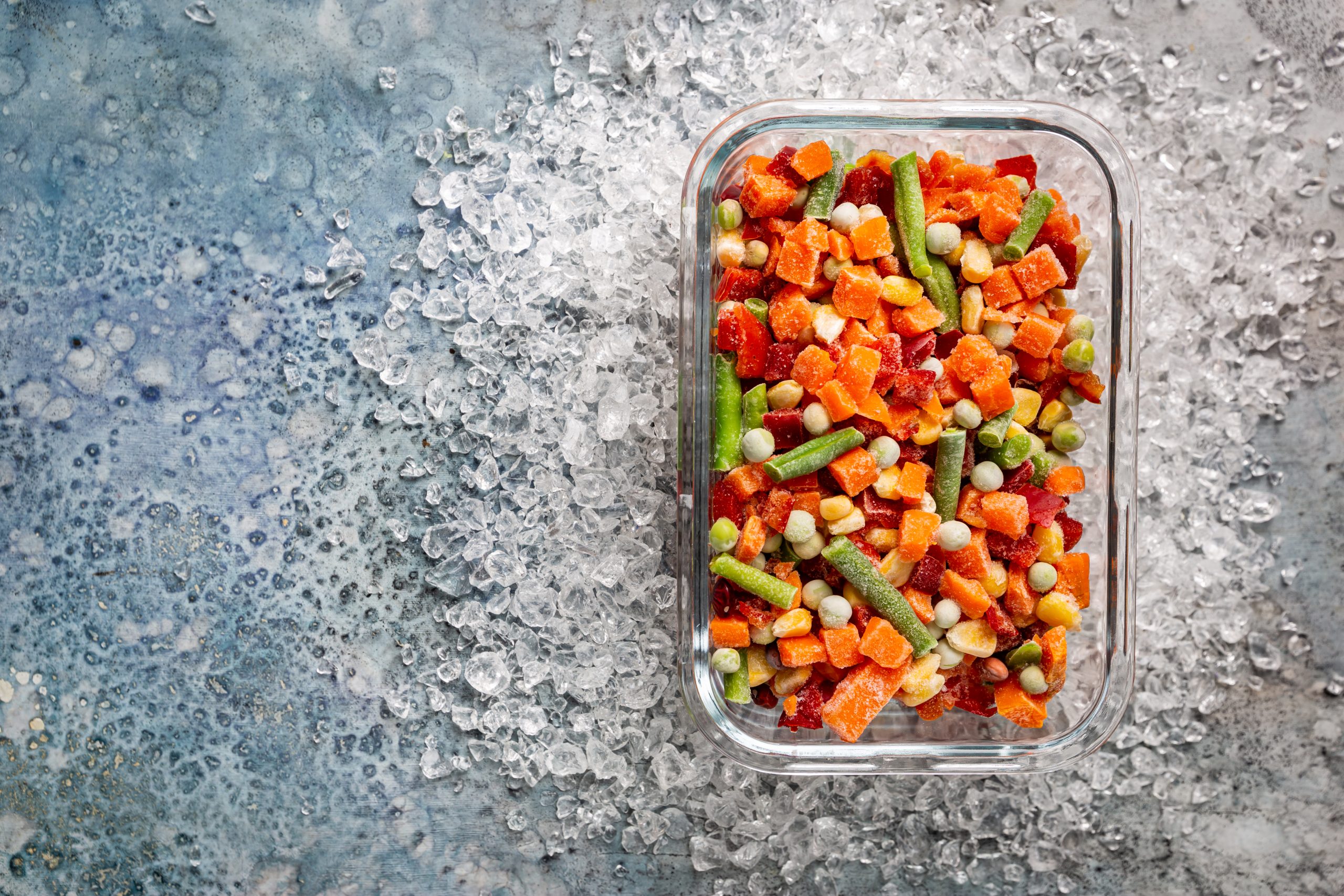
We often think fresh is best, but frozen and canned fruits and vegetables are the unsung heroes of a healthy kitchen. They are usually picked at peak ripeness and frozen immediately, locking in nutrients. They are also significantly more affordable and won’t rot in your fridge by Tuesday. Just be sure to choose options without added salt or sugar.
Avoid the “takeout tax”
Eating out or ordering through an app can quickly become a budget black hole. Taking the reins in your kitchen allows you to eat well on a budget and gives your wallet breathing space! When you cook at home, you are the boss of the ingredients and the portion sizes.
Tip: Batch cooking. Cook a double portion of stews or curries and freeze half. You’ll save money and time for those nights when you arrive home in no mood to cook.
Discover generic gems
Don’t underestimate the power of store brands. Often, the only difference between a flashy name brand and the generic version is the marketing budget. Compare the ingredient labels and you’ll find that the wallet-friendly options deliver the same quality for a fraction of the price.
Less meat, more meatless options
Meat is often the priciest line item on a grocery bill. You can significantly lower your costs by reducing meat-based meals and amping up the vegetables. Lean into affordable protein powerhouses like beans, lentils, and tofu. They aren’t just kind on your budget, these foods are packed with fibre and nutrients that make your gut happy.
Zero waste, maximum value
Leftovers are not “old food”, they are a head start on your next meal. Get creative with repurposing: yesterday’s roasted vegetables can become today’s omelette or a hearty salad. By being mindful of expiry dates and showing your ingredients some love before they turn, you become the champion of your own health and budget.
Remember, investing in your wellbeing is a lifelong journey. With a little creativity, you can thrive even when the economy gets tough.
Frequently Asked Questions
- Is it really cheaper to be a vegetarian? While some meat substitutes (like processed vegan burgers) can be pricey, whole-food proteins like lentils, chickpeas, and dried beans are some of the cheapest and most nutrient-dense foods in the supermarket.
- Are rewards programmes worth it for food discounts? Yes. Many stores offer cash back or specific vouchers based on your shopping habits. Also, look out for birthday savings as specific brands give sizeable discounts or vouchers during your birthday month.
- What are the best Superfoods to buy on a budget? Eggs, oats, canned sardines, spinach, and sweet potatoes are all affordable, local “Superfoods” that provide massive nutritional ROI (Return on Investment).
Images: Freepik