

Frozen vegetables are cheaper on the pocket and just as nutritious as their fresh siblings
With the price of, well, everything skyrocketing, it can be quite expensive to ensure you’re still able to have an assortment of healthy foods. If you frequently choose fresh over frozen, it’s time to walk over to the frozen food section and take your pick of frozen vegetables.
Quick Read:
- Frozen vegetables are usually picked and preserved at their peak freshness.
- Freezing at the right time helps to keep many nutrients intact.
- Frozen vegetables are typically the more affordable option, rather than fresh.
The benefits of frozen vegetables
Fruit and vegetables are important nutrition pillars. We need substantial portions of both each day to give our bodies the nutrients it needs to function well. However, it’s also true that most of us barely get enough nutrition in our weekly, let alone daily diet. Fresh vegetables are often expensive, challenging to cook with, and don’t last long in the fridge. Plus, with seasonal vegetables, you may not always have a wide range from which to choose.
Frozen vegetables are a time and budget saver – relatively cheaper and always on hand when you need a boost of veggies for your meal.
A vegetable (even in frozen form) is better than no vegetable at all. With frozen spinach, kale, green beans, and broccoli in your freezer, it’s easier to get in at least one healthy helping of vegetables a day. And if you’re trying to eat less meat, frozen vegetables make it quick and simple to add more plant-based nutrition to meals without spending too much time in the kitchen.
Are frozen vegetables healthy?
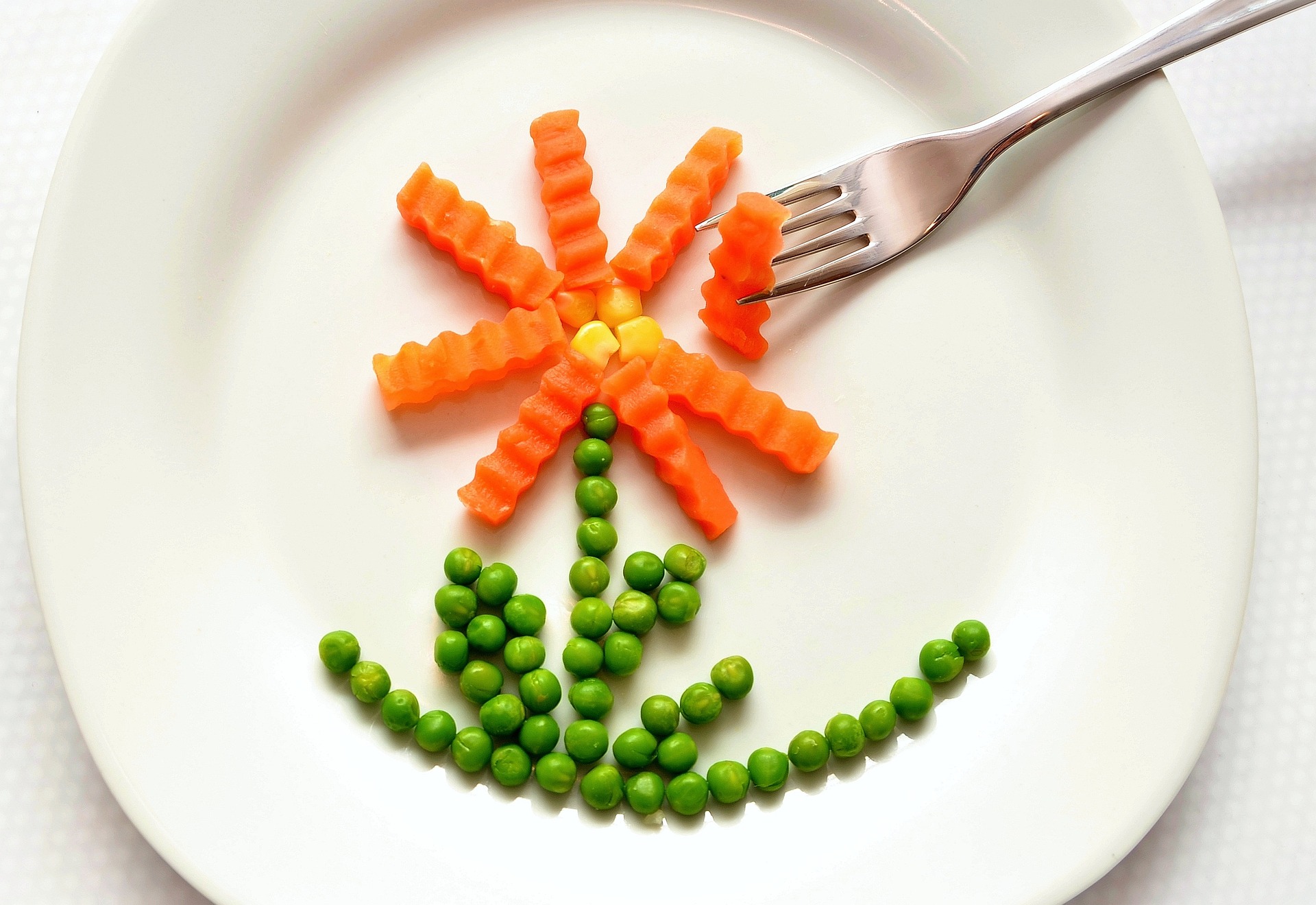
Short answer: yes! Fresh vegetables go through processing, storage, and transportation. So, by the time they reach your nearest grocery store, the actual quality of remaining nutrients is questionable. This is where frozen vegetables may have the upper hand. The vegetables that earn their places in the frozen food section are picked at their peak, in the prime of their life, so to speak. This means they have their maximum number of nutrients. Vegetables like frozen peas, carrots, and corn are excellent sources of dietary fibre, which is necessary for healthy digestion.
How do frozen vegetables stay healthy?
Once the vegetables are picked, the next step is blanching them in hot water or steam. This method kills off any bacteria or other substances from the fertilisation/growing process. At this point, some of their goodness can seep out, but the final product still contains a good dose of nutrients.
Thanks to this process, frozen vegetables can last for months in the freezer, reducing food waste and allowing for long-term storage. Plus, you can enjoy vegetables that may not be in season in your region year-round.
Keeping the fresh factor
- Try not to overcook the vegetables. Remember, they’re still technically fresh, just chilled/frozen.
- Read food labels when shopping and look for products that contain the least amount of sodium (salt) and sugar.
- Overboiling vegetables will leech a good amount of the vitamins you actually want, like B vitamins, folate, and Vitamin C. Steaming is a better way to keep the vegetables in its healthy state.
- It also defeats the purpose of eating healthily if you drench your vegetables in oil, dressings, and other rich sauces. Rather, spice up the flavour with a pinch of salt, pepper, or herbs.
- Although you can keep frozen vegetables for much longer than their fresh counterparts, don’t use them simply as freezer accessories. Eat them within the expiry date. You don’t want all the vitamin content and flavour to be completely lost.
Healthy frozen vegetables
- Frozen green beans and blueberries have substantial amounts of Vitamin C.
- For a boost of riboflavin, Vitamin C and K, and plenty of fibre, add frozen broccoli to your grocery list. It’s tasty in soups, stews, and stir-fries. You can also toss a few florets into cooked rice.
- Frozen kale is high in antioxidants and adds a health boost to stews and soups, as well as smoothies.
- Frozen corn is high in fibre and B vitamins.
- A staple of low-carb diets, if you’re looking for fibre, choose frozen cauliflower. It can be added to curries, soups, stews, casseroles, and even made into a version of rice.
Images: Freepik/Unsplash