
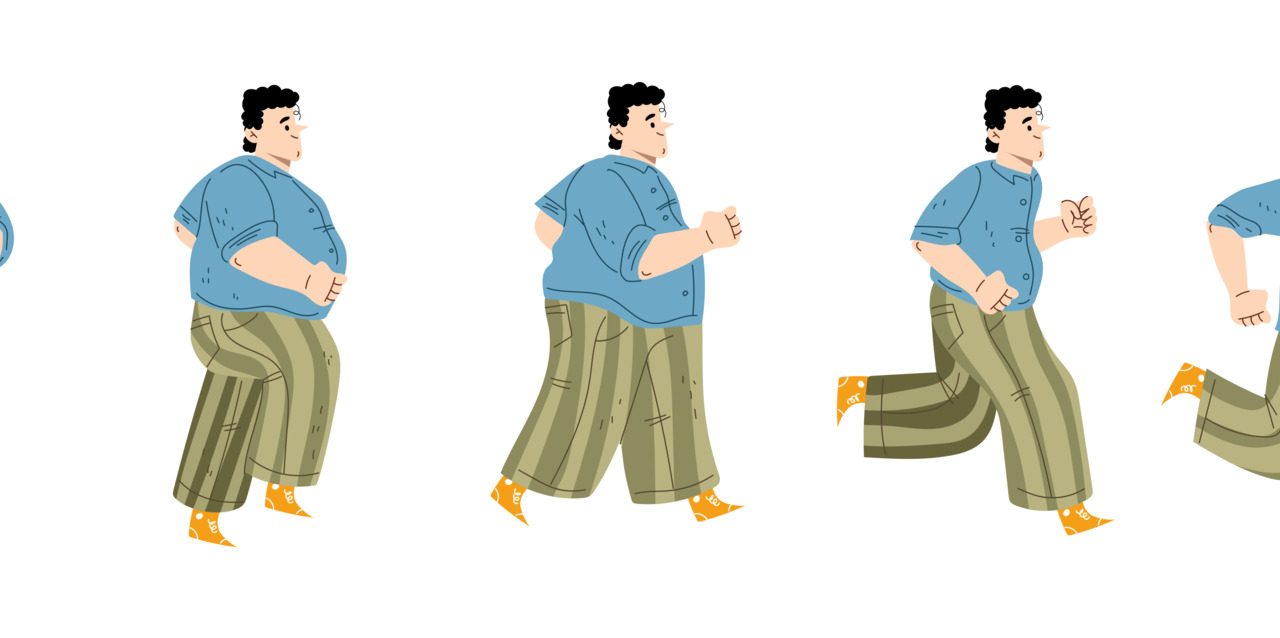
Belly fat is more than just a superficial concern; it has real ramifications for long-term health
No one loves a spare tire around their waist, but carrying extra belly fat is about far more than not fitting into your clothes. It’s about what’s happening beneath the surface which is the real cause for concern. If you leave it unchecked, this specific type of fat can trigger serious, chronic health issues that steal your long-term vitality.
Quick Read:
- Belly fat often includes visceral fat, which wraps around your internal organs and disrupts your hormones.
- The “skinny fat” risk is real. You can carry dangerous levels of internal fat even if you look relatively slim on the outside.
- Simple swaps work. You don’t need a drastic lifestyle overhaul; small changes to your sleep, stress management, and daily movement can melt the fat away.
What’s really going on beneath the surface?
To understand why belly fat is so dangerous, we need to look at the two different types of fat your body stores. There is subcutaneous fat that you can pinch right under your skin, and then there is visceral fat. Visceral fat sits deep inside your abdomen, packing itself tightly around your vital organs like your liver, stomach, and intestines. This isn’t a passive, protective cushion. It is an active, dangerous tissue that pumps out inflammatory chemicals and throws your hormones completely out of balance.
Too much of this deep belly fat significantly ups your risk of developing life-altering conditions, including:
- Type 2 diabetes
- Heart disease and high blood pressure
- Liver disease
- Certain cancers, such as breast and colon cancer
Even if you are relatively slim, you can still carry harmful levels of visceral fat internally. This is often called “skinny fat.” It is quite common among office workers who spend hours deskbound every day and rarely move around during the shift.
Where does belly fat come from?
The simplest answer is that our modern, fast-paced lifestyles invite it to stay. Belly fat accumulates quickly when we regularly consume sugary, refined foods and beverages that spike our insulin and tell our bodies to store fat around the midsection. When you couple a high-sugar diet with hours of sitting, your metabolism stalls.
But nutrition and lack of exercise aren’t the only culprits. Chronically poor sleep and high stress levels flood your system with a hormone called cortisol, which actively commands your body to deposit fat straight to your belly. And let’s not forget alcohol; liquid calories sneak up on us quickly and lead directly to the classic “beer belly.”

How to shift belly fat for good
You do not need to feel overwhelmed by this. Shifting belly fat isn’t about extreme deprivation or running marathons; it’s about making sustainable, healthy choices most of the time.
WellBeings Advisory member, Dr. Monique Piderit cautions, “Nutrition isn’t one-size-fits-all. What works for one person may not work for another. Health is built through personalised, realistic habits, not rigid rules or extreme diets. No single food is perfect or harmful on its own; what matters most is your overall eating pattern.”
Upgrade your options
Consider what you consume and find simple, everyday upgrades. Swap white bread for nutrient-rich wholegrain or brown bread. Trade normal pasta for brown rice or whole-wheat options. Do the same with your drinks. Does your morning coffee really need three teaspoons of sugar, or does it taste perfectly fine with just one? Instead of reaching for a sugary soft drink, try sparkling water with a splash of fresh juice.
Move more, sit less
No need to go from zero activity to a massive gym routine in one week. Start by walking for 30 minutes a day, or commit to taking regular standing breaks at work. Don’t forget to add some strength training twice a week. Building muscle helps you burn more energy naturally, even when you’re resting.
Quiet the mental chaos
Since stress and high cortisol cause your body to hold onto belly fat, getting stress under control is a vital part of your fitness strategy. It’s not necessary to meditate for hours. Short bursts of deep breathing and simple stretches can reset your nervous system. Pair this with a commitment to getting enough restful sleep each night, and your body will finally feel safe enough to let the fat go.
If diet and lifestyle changes are not making a difference, it’s smart to see a doctor for personalised advice. There may be other health issues at play that require more focused tests and checks. Your health is always worth the effort.
Images: Vecteezy