

Put down the 7-day magic tonic, your body is perfectly capable of detoxing itself
The human body is a medical marvel. Your liver, along with your kidneys and other organs, does an incredible job of keeping your body free from harmful substances. There’s no need for detox diets, cleanses, or 7-day flushes when you have a built-in body system that works efficiently to get rid of toxins every day.
Quick Read:
- It is true that as we get older, it can be difficult to lose or maintain a steady weight.
- Your liver and kidneys are already highly efficient at filtering toxins; dedicated detox regimens are generally unnecessary.
- The best way to support your body is through balanced nutrition, plenty of water, and regular rest.
The idea behind detox diets: getting rid of toxins
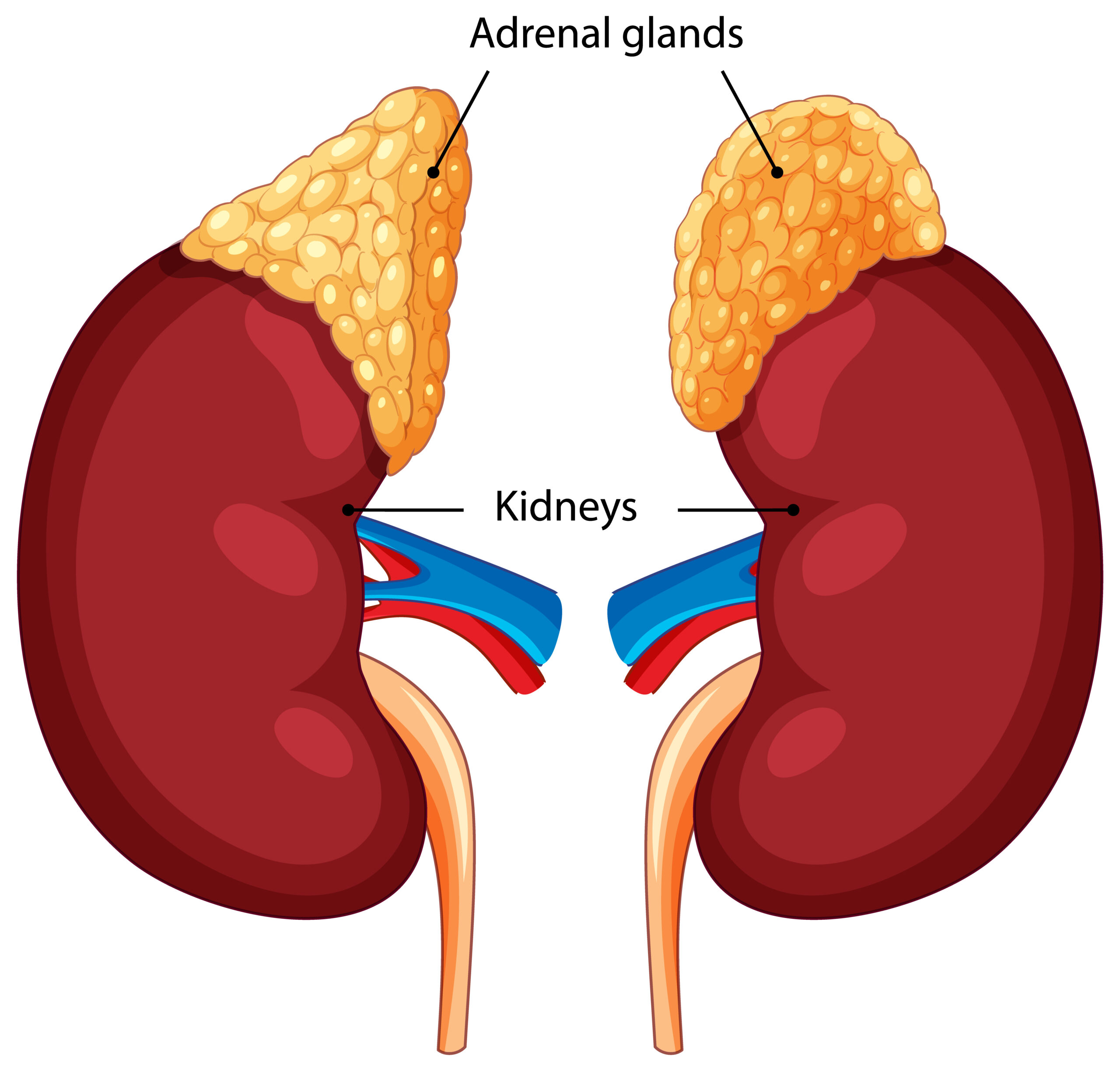
First, let’s understand how the kidneys work. If you could peer into your body, you would notice organs that look like beans. These are your kidneys. They’re found in the lower part of your back. Each one takes up space on either side of your spine.
Now, let’s talk about toxins. Yes, we all absorb toxins each day. These toxins come from food, substances in the air, pollution, chemicals from medication, and other elements in the environment.
This is where your kidneys play an important role. Their job is to basically clean your blood and filter out waste products and extra fluids. Kidneys also act like managers of your blood pressure. When your blood pressure is low, the kidneys release a special substance called renin. This helps your body hold onto water and makes your blood vessels tighten up a bit, ensuring your blood pressure stays in the correct range.
At the same time, you have your liver, which is also an industrious organ. Think of your liver as a filter. It breaks down toxins from food additives, medications, and alcohol, converting them into substances that can be safely removed.
Do we really need
to detox?
While the wellness industry often pushes cleansing teas, juice fasts, and restrictive diets as “reset” buttons, the reality is much simpler. Your body already has a highly sophisticated, 24/7 detoxification system. Unless you have a diagnosed medical condition, your organs do not need external help to perform these functions.
Most detox practices are built on the principle of extreme restriction, eliminating entire food groups, or drastically cutting calories. This can typically lead to a quick drop on the scale, but it is usually just temporary water weight loss rather than actual fat loss.
The detox trap
Detox marketing often claims to clear up skin, boost energy, and kickstart weight loss. While you might feel a temporary lift, these effects are usually a result of cutting out processed foods or increasing water intake, rather than the “detox” itself.
What does work? Focus on a sustainable approach. Instead of restrictive cleanses, listen to what your body actually craves to function at its best. Whole, nutrient-dense foods will support liver and kidney health, plenty of water boosts hydration, and quality sleep helps your body rest and rejuvenate.
Avoid these common detox diets:
- Fasting
- Water or juice-only diets
- Eating only specific foods
- Herbal medication diet
- Using laxatives to cleanse the colon
When detoxes become dangerous
- Let’s consider a juice-only detox. In theory, it sounds helpful, but your body cannot survive on those ingredients alone. To function effectively, your body and brain both need protein, fibre, and healthy fats. Going on a juice fast for even a few days can lead to losing muscle mass, periods of low energy and fatigue, and digestive problems.
- What about a detox if you have a chronic condition? For example, if you’re diabetic, you know how important regular meals and snacks are to keep your blood sugar levels healthy and balanced. Any form of restricted detoxing may severely impact your condition.
- Colon cleansing procedures aren’t without risk. Harmful effects are more likely in people with a history of gastrointestinal disease, colon surgery, severe haemorrhoids, kidney disease, or heart disease.
- Some people detox by using laxatives, which can cause diarrhoea severe enough to lead to dehydration and electrolyte imbalances.
- Not eating food for days could lead to migraines, low blood sugar, fainting, and other serious health problems.
Help at hand
The bottom line is that detox diets sound intriguing and successful on paper. Understandably, many people who are looking to lose weight may be swayed by the unrealistic promises to shed kilograms overnight or get rid of so-called harmful toxins.
Instead of trying these radical fads, what you should do is focus on a good diet at least 80% of the time. Your organs are well-equipped to handle toxins, but you can certainly help the cause by drinking plenty of water, adding more fruit and vegetables to your meals, and getting enough rest.
Images: Freepik