
It’s all too easy to fall into the doomscrolling trap, which makes regular social media timeouts necessary
You hold the power to reclaim your attention. By filtering your feed, setting intentional usage limits, and blocking content that harms your mental health, you can transform your digital experience from a source of stress into a tool for growth.
Quick Read:
- The problem: Constant connectivity often leads to digital burnout and decreased productivity.
- The solution: Take control by auditing your apps, setting strict time limits, and curating your feed to match your personal values.
- The takeaway: Being deliberate with your online time allows you to use social media as a tool rather than a distraction.
How many social media apps are currently on your phone? Two? Three? More? In our hyper-connected world, social media has become the default way we communicate, work, and consume news. We are perpetually “plugged in,” leaving many of us feeling overwhelmed, drained, and at risk of digital burnout.
The good news is that you can (and should) start setting healthy boundaries with social media. Begin today, for the benefit of your mental and physical wellbeing.
Audit your “why”
Before changing your habits, have an honest conversation with yourself. What purpose do these strangers and their social media profiles or accounts serve in your life? Are they broadening your horizons and connecting you with genuine interests, or are they fueling mindless consumption? Understanding your “why” helps you prioritise meaningful engagement over passive scrolling.
Time your scrolling
Constant connectivity kills productivity. To combat this, set rigid daily limits for your social media usage. Whether you allocate time in the morning, afternoon, or evening, treat your “scrolling time” as a scheduled appointment rather than an endless void.
Customise your digital environment
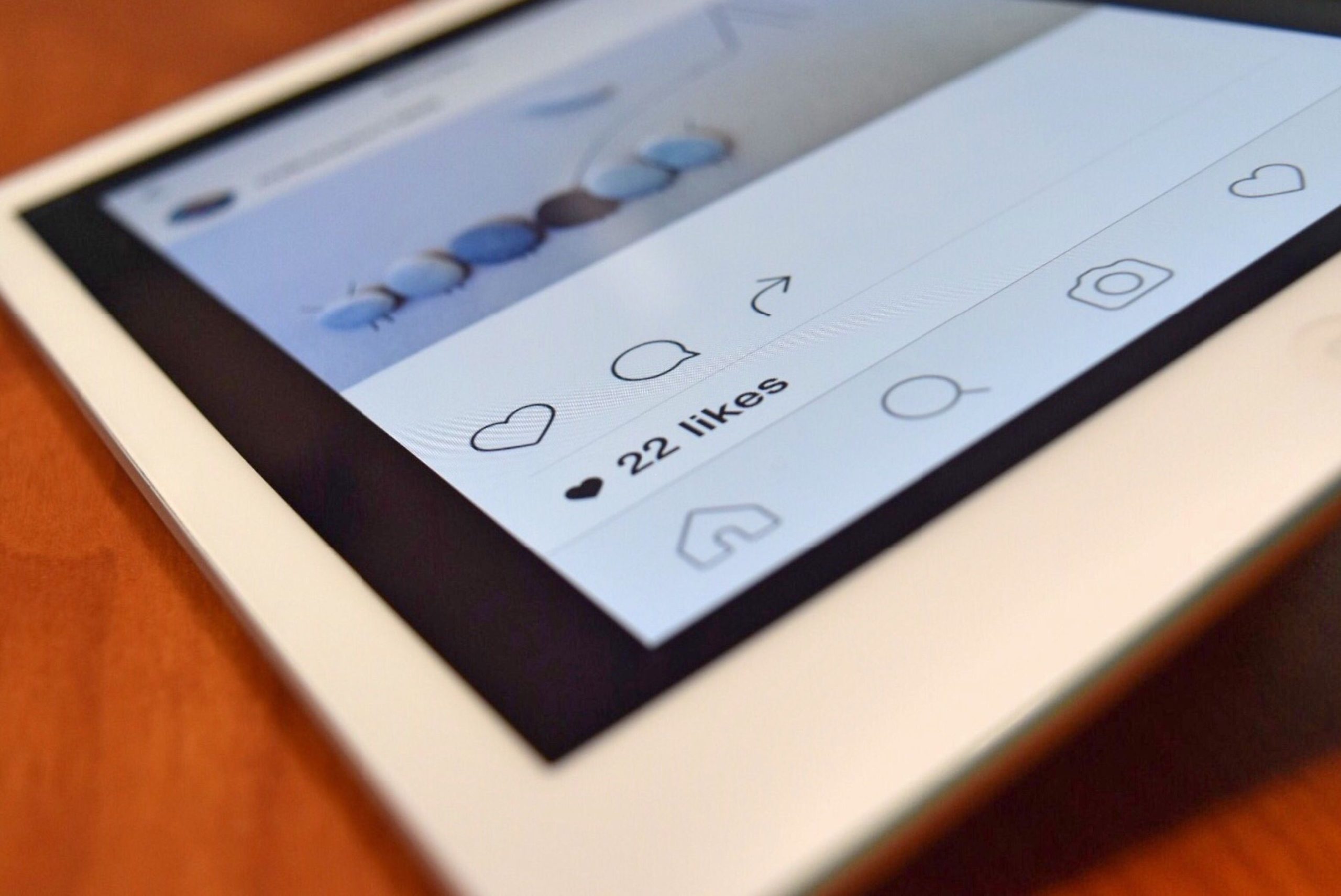
Setting boundaries isn’t just about time; it’s about content. You have the power to set preferences that block tabloid pages, toxic discussions, or inappropriate content. Actively unfollow accounts that trigger anxiety and curate your feed to follow people and topics that share your interests and make your online time worthwhile.
Master the art of disconnecting
“Out of sight, out of mind” is a powerful psychological tool. If you struggle with late-night scrolling, make it a rule to leave your phone on a nightstand or in a completely different room before you head to bed. This simple physical boundary protects your sleep hygiene and helps you start the next day with a clear head.
Learn more about mental health
Applying boundaries is a skill that takes practice. Take time to learn about the link between digital habits and mental health. The more you understand your own emotional triggers, the easier it becomes to recognise when it is time to log off and step back into the physical world.
Use social media to your benefit
Social media websites and apps bridge connection gaps, and can be inherently valuable for our mental health, especially if you are experiencing a challenging phase.
Loneliness and feeling like you’re all by yourself can contribute to isolation and may lead to depression, but when used the right way, social media may actually help you. Even just “connecting” with fellow commenters on a post can make you feel heard and seen.
Further, many mental health groups, therapists, and counsellors have social media accounts where they share tips for taking care of your mental health and how to cope with challenges. This can be a wonderful tool for those who are dealing with mental health problems.
Still, please do get medical advice when it comes to medication and supplements, and be cautious about using social media as credible diagnosis.
Remember
Social media is helpful, entertaining, and can be genuinely informative, but it is easy to fall into the trap of endless scrolling.
Before you log in, ask yourself: What exactly am I looking for?
Sometimes, the best boundary is realising you don’t need an app at all. If you need to reach a friend, a quick phone call is often more intimate and faster than a text. By being more intentional about your digital choices, you can protect your peace while staying connected to what truly matters.
Images: Pexels