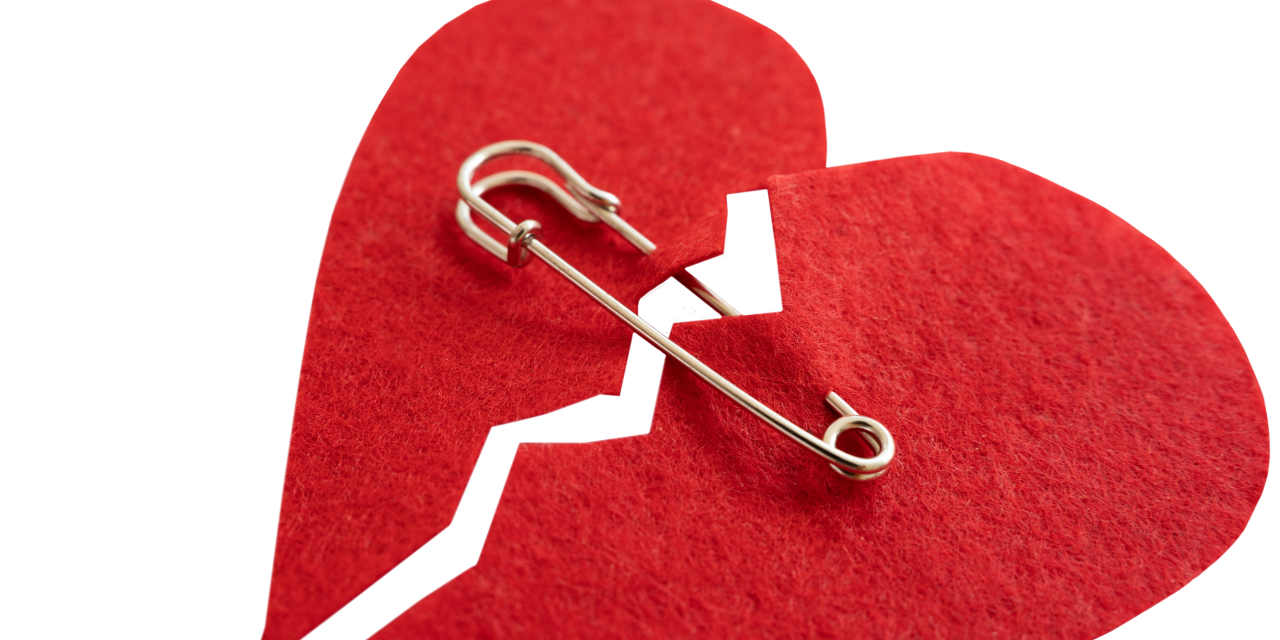
Takotsubo Cardiomyopathy, or Broken Heart Syndrome is a condition where extreme emotions affect heart health
In pop culture, it’s difficult to get away from the allure of broken hearts. Songs, movies, books, poetry are built around the concept, and the lore around broken hearts is strong and universal. But, Broken Heart Syndrome (Takotsubo Cardiomyopathy) is actually a serious, albeit temporary heart condition triggered by extreme emotional or physical stress.
What does Broken Heart Syndrome mean?
Takotsubo Cardiomyopathy is a medical issue that is created by emotional or physical stress. While it’s not a common everyday health condition, it still needs to be taken seriously.
When someone experiences Broken Heart Syndrome, the heart muscle “weakens”. This can even be seen on a heart imaging test. The official name, “Takotsubo” is Japanese for “octopus trap”. It is a literal description of the way the heart’s shape morphs during the syndrome. The condition mainly affects women, particularly post-menopausal women over the age of 50.
What does Broken Heart Syndrome feel like?
What actually happens during Broken Heart Syndrome? It could be anything sudden, momentous, and unexpected. Perhaps, the death of a partner, a traumatic car accident, a severe phobia. It could even be an incident that would normally be a happy occasion, like winning millions in the Lotto! Broken Heart Syndrome occurs at the sudden onset of these excessive emotions that are so intense, they are almost too much for your body to handle.
What matters is the impact on your heart. When Takotsubo Cardiomyopathy strikes, these situations flood your body with stress hormones that temporarily weaken the heart muscle, mimicking symptoms of a heart attack.
We often think of heartbreak in emotional terms, but there’s more to it than that. Your body can experience similar strain during intense physical stress. For example, going through a severe asthma attack, or a chronic infection can take its toll on you. These physical triggers, much like emotional ones, can push your heart into overdrive, leading to the same temporary weakening.
Remember, your heart doesn’t know the difference between sources of stress; just that it’s being pushed to its limits.

Key risk factors of Broken Heart Syndrome
The connection between our emotions, physical health, and heart is a reminder to take care of ourselves from the inside out. From managing stress to prioritising rest, a little self-care goes a long way in keeping your heart strong and steady, and lowering your risk for Broken Heart Syndrome.
- Women, especially post-menopausal, are at higher risk than men due to hormonal changes.
- The condition is more common in people over 50 years old.
- Physical and emotional stress play significant roles in the condition. For example, dealing with a death in the family, going through a traumatic divorce, financial loss, job stress, or experiencing a severe illness.
- People with anxiety, depression, or a history of psychological trauma may have a heightened risk. Further, medical conditions, such as a chronic illness or hormonal imbalance, could impact your risk for Broken Heart Syndrome.
- Another factor to consider is medication or drugs that could cause a surge of adrenaline, such as decongestants, Epinephrine (used to treat allergic reactions), illegal narcotics, and certain antidepressants.
Help at hand: caring for your heart
Managing stress is essential. In fact, non-negotiable. Do your best to find techniques that help you process your emotions. Exercise is also a wonderful tension-reliever. Try to avoid situations and environments that provoke intense emotions, as these can result in unnecessary stress. Small, consistent steps to reduce stress can make a big difference. It could be as simple as setting aside a few minutes to breathe slowly and deeply.
Mindfulness and meditation can help you feel more at ease with everything going on in your life. You may soon even notice these benefits in your improved quality of sleep, overall reduced stress, lessened desire to overeat, and a contented sense of wellbeing.
What you eat plays a vital role in your heart health. Nutrient-packed foods can strengthen your heart and improve overall health. At the same time, try to cut back on salt, sugar, and processed foods, which can strain your heart over time.
Protecting your heart also means avoiding substances that can overstress it. Minimise caffeine and nicotine intake and stay away from illegal drugs. These stimulants create unnecessary strain on your heart and increase your risk of complications.
Routine health checks are just as important as these lifestyle changes. Regular visits to a doctor can help catch any potential issues early and ensure that your heart is in good shape.
And as always, please see a doctor or visit the clinic if you experience any worrying symptoms. If you have a family history of high blood pressure or heart disease, it’s especially important that you consult with a doctor to assess your risk profile.
Images: Freepik