
Alternative medicine expert, Dr. Nadine Haberfeld explains chronic fatigue and how to boost your energy and vitality
“I’m always tired.” Does that sound familiar? It’s a common refrain from increasingly more people, and it can be frustrating and puzzling. If you often find yourself drained despite getting enough rest, you’re not alone. Chronic fatigue affects many people and the causes are just as varied.
Read on for insights and practical advice on why you might always feel tired and what you can do about it.
From your clinical experience, why are people more tired than ever and complaining of chronic fatigue?
In my experience, I see patients suffering from severe chronic fatigue caused by years of bodily overload from toxins. The body often cannot clear this toxicity quickly enough, leading to liver congestion and prolonged fatigue. These toxins come from many sources, including what we eat and drink, viruses, bacteria, heavy metals, stress, and environmental factors.
How do you distinguish between normal tiredness and something like chronic fatigue syndrome?
I explain to my patients there are two types of fatigue; adrenal fatigue where the harder we push ourselves, the more tired we feel, but rest resets this and we recover.
The second type is a neurological fatigue where no amount of rest is helpful or restorative and one awakes feeling exhausted despite a good night’s sleep. When people have both types of fatigue they tend to experience chronic fatigue syndrome at an extreme level.
What are the most common medical causes of persistent fatigue you see in practice?
Most commonly, liver congestion and overload from viruses and inflammatory triggers in the body push people over the edge into persistent fatigue. Stress also plays a major role.
Stress can arise from emotional, mental, hormonal changes, trauma, divorce, moving, and other life challenges. Even severe illnesses such as COVID-19 or long COVID can tip the scales toward persistent fatigue.
Many patients are told their blood tests are normal, but still feel exhausted. What might be missed?
Often, blood tests do not detect subtler, sub-clinical problems or the intricate workings of cells and energy production pathways. Additionally, there are conditions that our current Western medicine framework does not yet fully understand or have tests for. When we don’t know how to test for something, or even recognise it as a cause of illness, blood tests may appear normal even though the patient is feeling terrible.
How much of modern fatigue is linked to stress and nervous system overload?
A very large part! Stress significantly impacts our nervous system, especially through the autonomic nervous system. Being continuously stuck in fight-or-flight mode affects hormones like cortisol and adrenaline, disrupts gut health, and alters sleep and eating patterns. Over time, this places tremendous stress on the liver and adrenal glands. What should be short-term coping mechanisms eventually become long-term imbalances, overburdening the system and leading to fatigue.
What role does gut health play in energy levels?
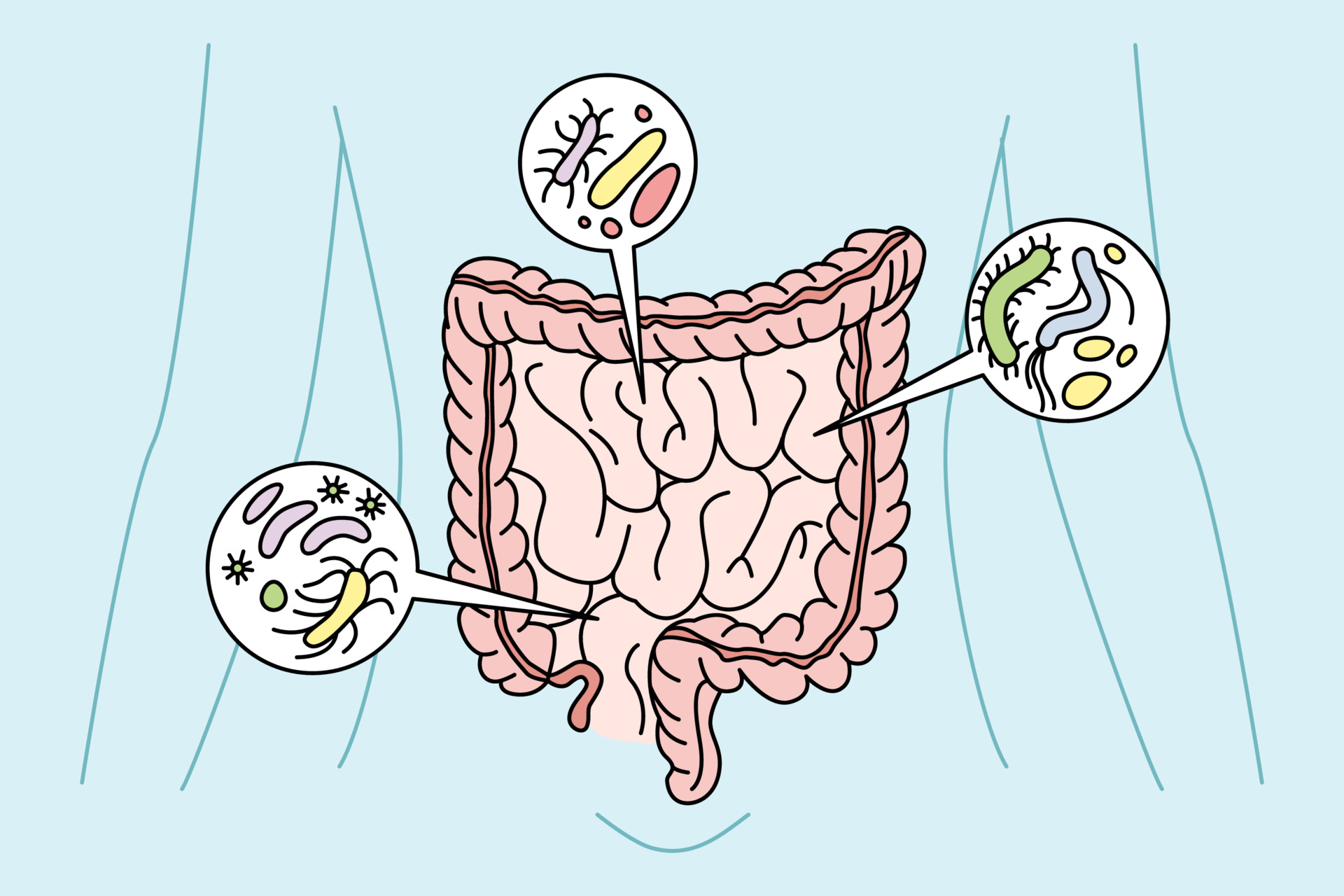
Gut health plays a critically central role. I like to emphasise liver health here, as gut health is never isolated from the liver. This is where the body absorbs the nutrients needed for energy. If inflammation in the gut prevents proper digestion or if the liver cannot effectively transform, metabolise, and store nutrients, or if we do not consume the right foods at the right times, the body enters a chronic survival or stress mode.
This leads to depletion of energy stores or increased fat storage for stressful periods. The saying “we are what we eat” is incredibly true.
Are hormonal imbalances a major driver of fatigue, especially for women in their 30s and 40s?
Hormonal imbalances often coexist with chronic fatigue, but menopause alone is rarely the sole cause. Hormones give us energy and act as natural anti-inflammatories, so when hormone levels naturally decline, underlying issues become more apparent, and hormones are often blamed. This doesn’t mean hormone imbalances shouldn’t be addressed, but they are seldom the single cause of chronic fatigue.
What lifestyle habits are silently draining our energy?
Constant screen time on phones and devices is a major energy drain. This habit disrupts sleep rhythms, causes insomnia, and creates daily stress over what we should or shouldn’t be doing, having, or looking like. Emotional drains from conflict, negative news, and social media overload also contribute. While the Internet and social media have many benefits, being enslaved to their negative effects exhausts us.
Additionally, fast-food diets and excessive caffeine consumption may provide short-term energy boosts, but ultimately drain energy over time.
There’s a huge market for energy supplements. Which ones are evidence-based and which are overhyped?
Supplements should always be used under medical supervision, as they are not harmless and can affect people differently. Fatigue is a multifactorial issue, so no single supplement is a cure-all.
I highly recommend good-quality Vitamin B12, B complex, and active folate (MTHF) as basic necessities for cellular energy production. For antioxidants, Vitamin C and N-acetyl cysteine (NAC) are beneficial as they support glutathione production in cells. However, supplementation alone may not resolve fatigue completely.
When should someone get a medical evaluation for fatigue?
If improving sleep, nutrition, and exercise does not reduce fatigue, and it begins to affect your daily functioning, it’s time to get medical advice. Early intervention helps prevent fatigue from becoming debilitating and impacting work, relationships, and mental health.
Images: Freepik/Vecteezy