
It’s easy to assume that all natural remedies are safe, but natural does not automatically mean risk-free
According to the World Health Organization (WHO), around 80% of the global population uses natural remedies as part of primary healthcare. In fact, if you walk through any pharmacy, you will find shelves heaving with so-called natural products, medications, and remedies.
Quick Read:
- We cannot assume that natural automatically means safe. Many traditional remedies are still under-researched.
- As with any medication, if you experience side-effects from a natural remedy, it’s best to stop immediately.
- If you have a chronic condition, like diabetes or heart issues, please don’t rely solely on natural remedies. Get expert care and advice from a doctor and medical treatment as prescribed.
Does natural mean healthy?
Herbal drops, immune boosters, detox teas, essential oils; the list keeps expanding, and the label “natural” is used almost everywhere. These products are often positioned as safer, more sustainable options for supporting overall health and immunity compared to over-the-counter treatments, with the added appeal of being more affordable.
There is some validity to these claims. Many natural remedies, because they are not pharmaceutical drugs, tend to have fewer side-effects and a lower risk of dependency than certain medications, such as strong painkillers. However, prescription and over-the-counter medicines are clinically developed, standardised, and rigorously tested to target specific conditions, which makes them more reliable when treating defined health issues.
Herbal or natural remedies on the other hand, have usually been around for many years, but haven’t gone through the trial-and-error process of a typical medication that’s been developed in controlled medical settings. Nor are they necessarily safer either. Some herbs have toxic effects on your system. Here are a few things to know before throwing away your pills for natural alternatives.
What makes natural remedies “natural”?
Defined by The Free Dictionary, natural (or alternative) medicine means: “A heterogeneous set of practices that are offered as an alternative to conventional medicine, for the preservation of health and the diagnosis and treatment of health-related problems.”
Simply, this means anything that comes from a natural source like plants or herbs. For example, many herbs have antioxidant properties. Antioxidants are effective health helpers that help prevent damage to cells caused by free radicals.
Natural is the umbrella term for treatments or approaches to health that use substances or methods found in nature, rather than synthetic (man-made) drugs or conventional medical procedures.
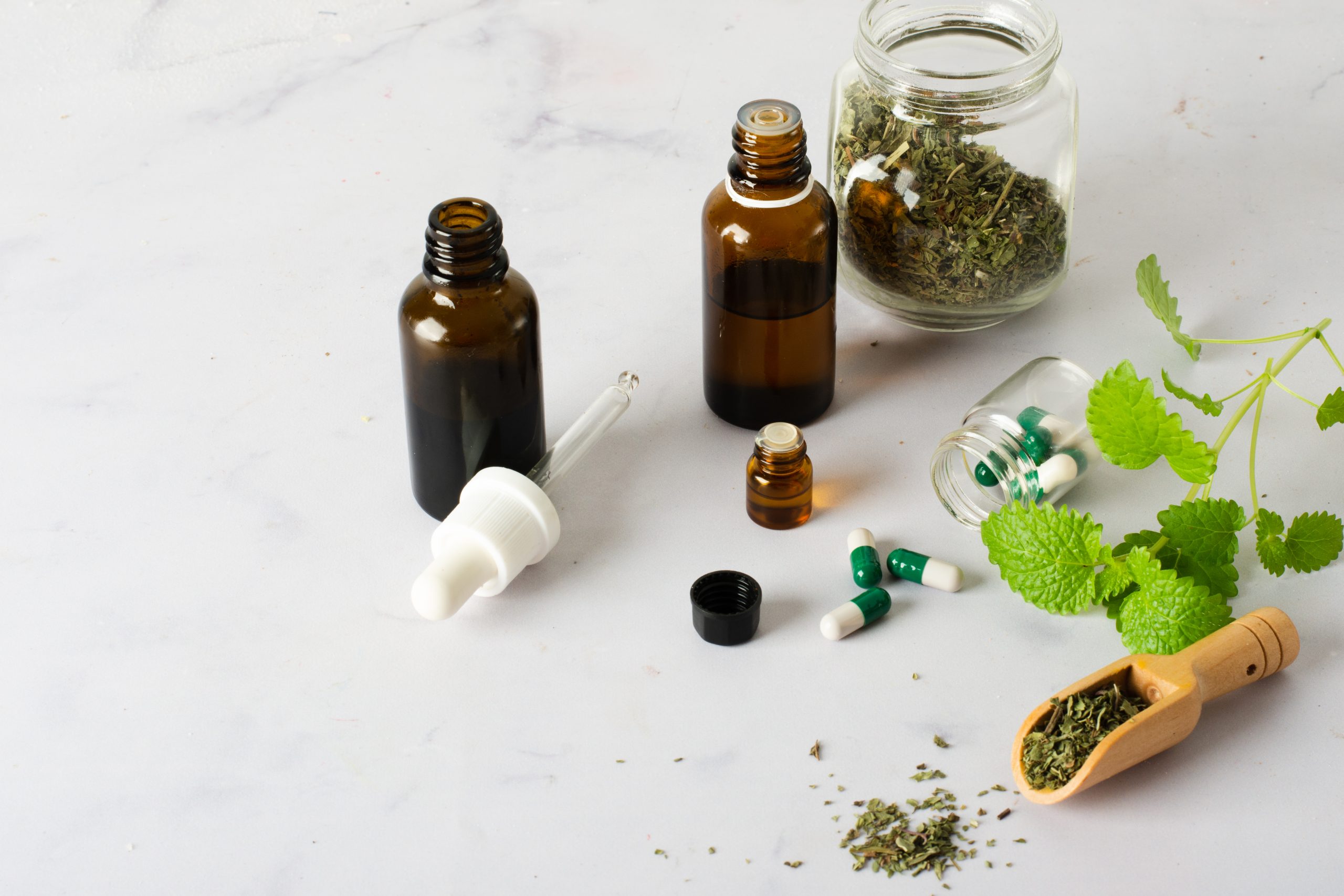
Typically, natural remedies include herbs, teas, and roots, or physical practices like massage, sunlight therapy, as well traditional healing practices. For example, ginger and peppermint are said to be helpful for nausea and digestion. Or, honey and lemon for a sore throat. Many people use aloe vera for skin irritation. These, and more, are remedies or treatments based on natural properties. That said, the term is broad and often loosely defined. Not everything labelled natural is automatically safe or effective.
Do natural remedies work?
Yes, some do. Interestingly, many modern medicines originate from natural or plant-based treatments, so the science confirms that some natural treatments can be effective.
A few examples include ginger for nausea and morning sickness, peppermint oil for IBS symptoms, and honey to soothe a cough. It’s not that they work because they are “natural”, rather that they contain biologically active compounds that affect the body. It’s worth noting that natural remedies are useful mostly when dealing with a minor, everyday health issue that would typically clear up within a few days and doesn’t call for strong medication or medical assistance.
In these contexts, natural remedies can play a role in alleviating symptoms. They also make sense as a first step for milder symptoms. The key is to be practical. If the problem doesn’t improve or gets worse, you need a medical diagnosis and proven treatments.
When are natural remedies unsafe?
While some natural remedies have wonderful benefits, you should still tread carefully. The potentially toxic effects of some herbs, especially those containing ingredients like caffeine, ginseng, and ginkgo, should not be overlooked. These, in excess, may potentially lead to cardiac problems.
Other remedies, like Kava (a herb that’s used for anxiety and sleep issues) may cause liver damage. Natural alternatives could lead to stomach problems, anxiety, sleeplessness, and even increased heart rate.
Even with something seemingly harmless like turmeric, high doses may trigger stomach problems, diarrhoea, and dizziness. Most herbal and/or natural remedies are not clinically tested and studied extensively enough for a doctor to definitively prescribe it. For example, certain natural slimming supplements have been found to contain undeclared pharmaceutical ingredients.
Another concern is that what you read on the label may not be the full list of ingredients. Which is worrying because you could be using a remedy that has a harmful ingredient. You may even have an allergy to that substance without knowing.
So, while natural remedies can be cheaper on the pocket and good for your wellbeing, please always check with a pharmacist or doctor about the potential effects of the medication.
Images: Freepik