Health alert: malaria warning
Following severe flooding in early 2026, both the World Health Organization (WHO) and the National Institute for Communicable Diseases (NICD) warned of a significantly elevated malaria risk in parts of South Africa.
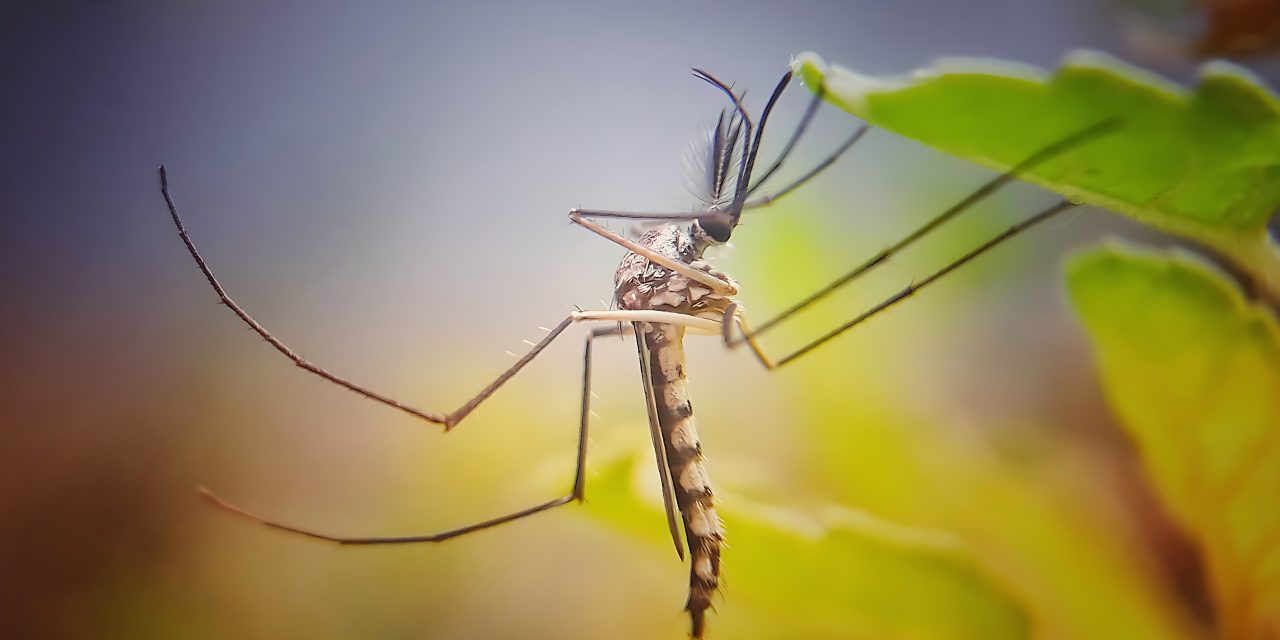
In February, the WHO indicated a “very high risk” of malaria transmission, particularly in Limpopo and Mpumalanga, following widespread flooding. These conditions create ideal breeding environments for mosquitoes while simultaneously disrupting healthcare access.
The WHO also cautioned that flood-related infrastructure and access constraints could delay diagnosis and treatment, which materially increases the probability of severe illness and complications.
Supporting this, the NICD’s latest malaria risk mapping confirms that the highest transmission risk remains concentrated in Limpopo and Mpumalanga, reinforcing the need for heightened vigilance, early symptom recognition, and rapid access to care in these regions.
Image: Vecteezy