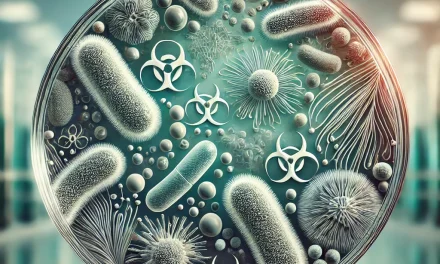
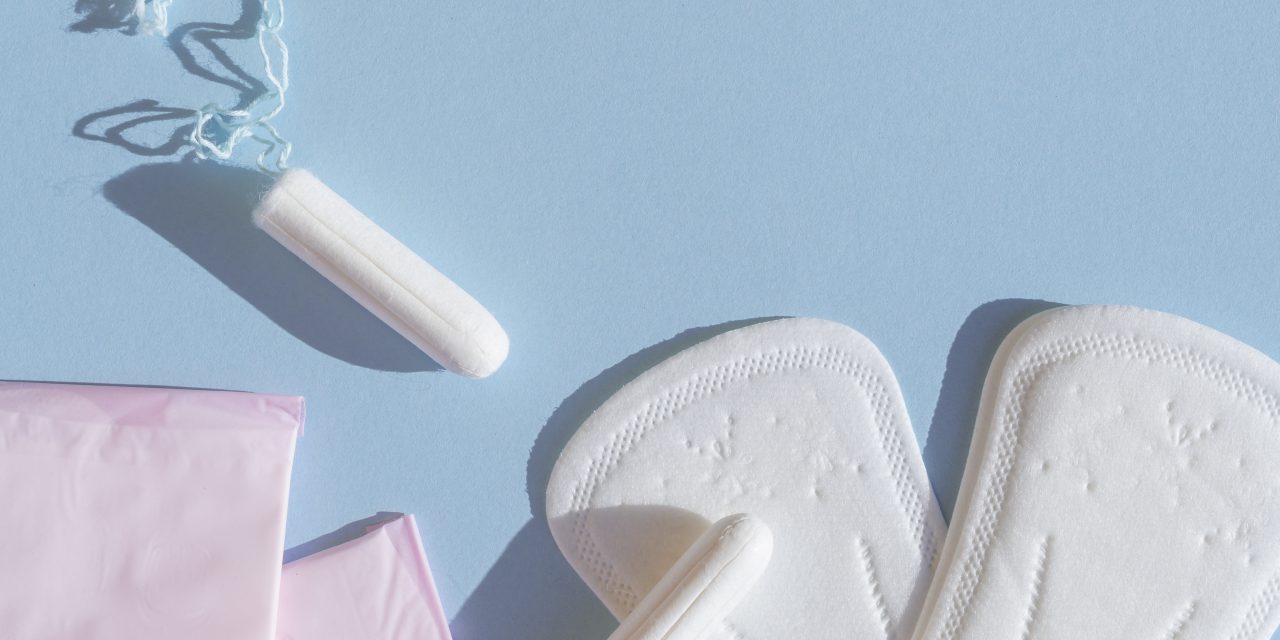
Many popular sanitary products contain hormone-disrupting chemicals, even when labelled as “free from harmful chemicals.” These are the worrying findings from new research by the University of the Free State.
The study tested a variety of sanitary pads and pantyliners. Every product analysed contained at least two endocrine-disrupting chemicals (EDCs).
Endocrine-disrupting chemicals are substances that can interfere with the body’s hormone system. Hormones regulate critical functions including growth, metabolism, mood, reproduction and development. Even small disruptions over time may contribute to health concerns such as fertility problems, thyroid dysfunction, early puberty, and certain cancers.
Why this matters
Millions of women use menstrual products repeatedly, for several days each month, over many years. The vaginal area is highly absorbent, so chemical exposure in this region may carry unique risks. Long-term, low-dose exposure is what concerns many researchers.
The detection of phthalates, bisphenols, and parabens in sanitary pads and liners is significant because these products are worn in close contact with highly permeable skin and mucosal tissues for extended periods. Even though the levels detected and daily exposure doses calculated in this study fall within the safety ranges reported for normal skin exposure, the potential for chronic low-dose exposure raises important considerations for consumer safety.
– The Presence of Endocrine Disrupting Chemicals in Sanitary Pads: A Study Done in South Africa
How to stay safe and protect your menstrual health
- Review the ingredients list when you buy a product. Spend some time researching if so-called natural claims or free from chemicals are accurate.
- Explore reusable alternatives such as menstrual cups or period underwear.
- Make your voice heard! Support calls for clearer chemical disclosure by contacting product manufacturers directly. Your voice matters because you are the end user.
Image: Freepik