
One minute you’re perfectly fine. Five minutes later, it feels like the world is closing in…
An anxiety attack can strike out of the blue. You’re gazing up at the sky, enjoying the sight of clouds passing by, and your coffee tastes better than ever. But, suddenly, it feels like the world is closing in on you. It becomes difficult to breathe, waves of panic engulf you, and your vision is blurry. This is what an anxiety attack feels like for many people… a sudden and intense feeling of panic and stress that seemingly comes out of nowhere.
Where does an anxiety attack come from?
One of the most challenging aspects of anxiety is that there isn’t always a reason. An attack can come out of the blue, even if you feel good and healthy.
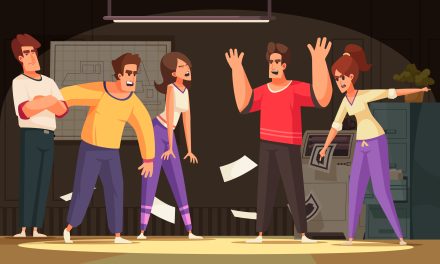
There are triggers, however. Triggers are things, people, and situations that operate like a light switch and suddenly flick on your anxiety. One minute you’re happy and smiling, the next you’re panicked, scared, sweaty and dizzy, all thanks to those triggers.
Stressful situations and anticipating something stressful happening often factor into anxiety. For example, many people are afraid of flying. So, as they await takeoff on the plane, the feelings of panic may start to build and quickly burst into a full-on anxiety attack. If you’re claustrophobic, being stuck in a lift could create the same reaction and tension. If you’re worried about driving in traffic, the minutes leading up to getting on the road could spark similar feelings.
Many situations and feelings trigger an anxiety attack. Anxiety attacks can last for up to 30 minutes but usually taper off within 10. When it happens, it may feel so intense that you feel like you are going to die, or are having a heart attack, but they aren’t typically dangerous.
How to cope with an anxiety attack
Anxiety attacks can feel frightening, particularly when you’re in public, but there are ways to cope.
- Take deep breaths by breathing in and out slowly. Concentrate on the air filling your chest and belly and count to four. Hold your breath for a second, exhale and repeat.
- Accept that you are having an anxiety or panic attack. This acceptance will make you aware that it is temporary and not fatal.
- Close your eyes when you’re having an episode. This little trick helps to block out anything triggering, especially if you’re in a fast-paced environment.
- Focus on familiar physical sensations. Dig your feet in the ground, feel the texture of your clothes, examine your nails, comb your hair, or squeeze your knuckles. Do something physical that allows you to centre yourself.
- Find the details around you. If you’re at your desk, count the objects near you, stare out the window and look for details like colours, patterns, and shapes.
- After an attack has passed, quickly write down what happened, how you felt and what brought about the attack. End your entry with the affirmation that you got through it! This is important for the next time it happens so you remember that you can come through an episode and be okay.

Can you prevent an anxiety attack?
While you cannot always stop an anxiety attack before it starts, you can reduce how often they happen and how intense they feel. The key is recognising early warning signs, typically: a racing heart, shallow breathing, or a sense of impending panic, and responding quickly with proven coping strategies.
If you experience frequent anxiety attacks, it’s important to speak to a qualified mental health professional, such as a psychologist or counsellor. They can help you identify triggers, build personalised coping techniques, and address underlying causes. Over time, this structured approach can significantly improve your ability to manage anxiety, protect your daily functioning, and enhance your overall wellbeing.
How to manage anxiety triggers
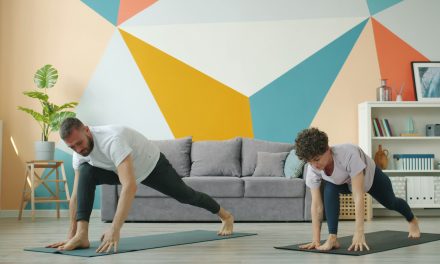
- Exercise regularly to help relieve tension and improve your mood with feel-good hormones.
- A healthy lifestyle has a valuable impact on your mental health. Substances like nicotine and alcohol often make anxiety symptoms worse. So, take positive steps to quit smoking and excessive drinking.
- Many people experience similar symptoms, and you might find it tremendously helpful to share your feelings and commiserate with each other. Search for an online or in-person support group; it may just be the support you need.
- If you feel you need specialised help, get advice from a doctor who can refer you to a mental health expert. A counsellor can help you identify your triggers for an anxiety attack, and help you change these negative patterns.
- Deep breathing is a wonderful stress management technique. Practise it regularly, and stick to a balanced diet to keep your sugar levels stable.
Images: Unsplash