Pre-menopause marks the beginning of hormonal changes before menopause
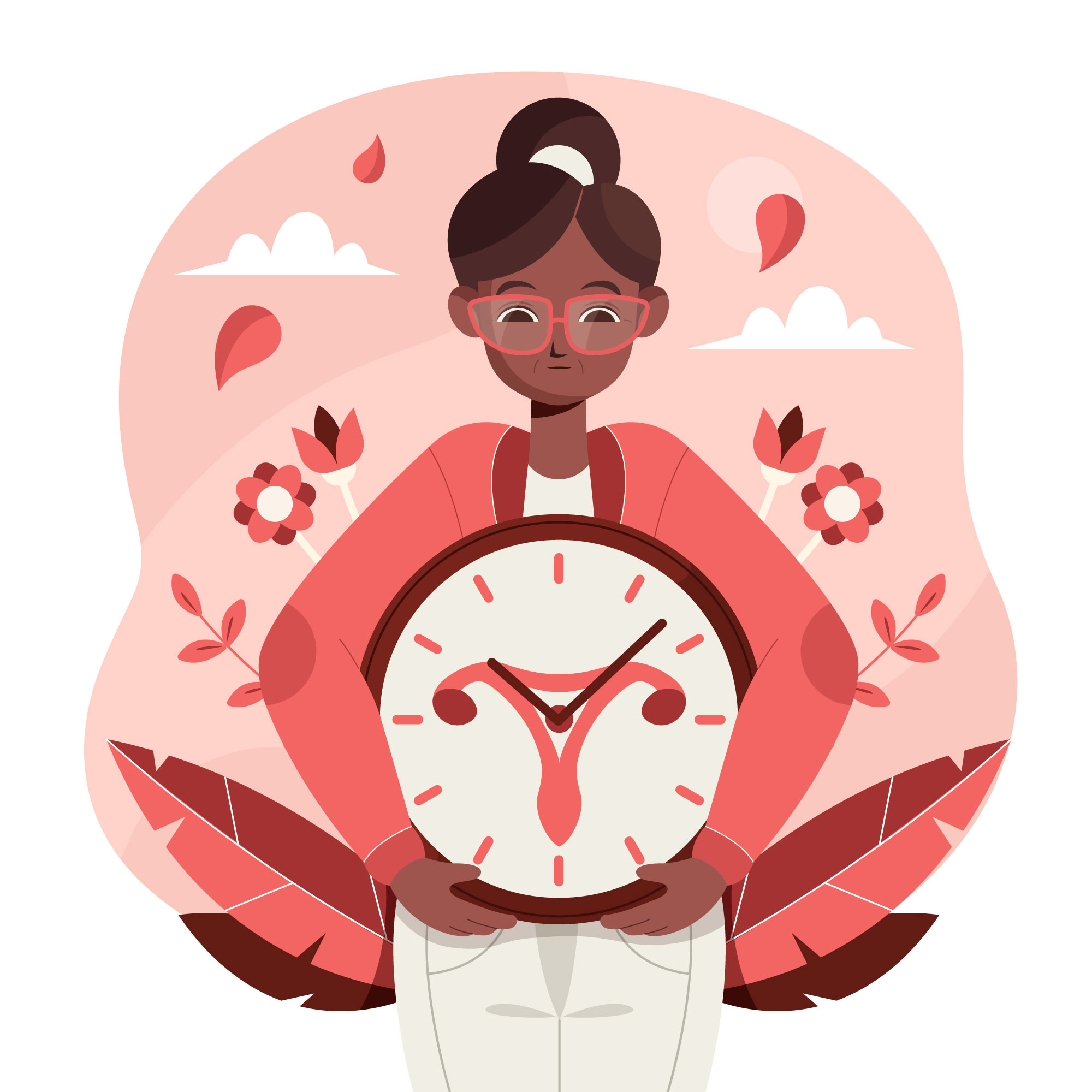
It’s called the Big Change and it can feel overwhelming and frightening. Yet, menopause is simply your body heading in a bit of a new direction. It will either stop producing certain womanly functions as you get older, or these functions will deteriorate over time. A telltale sign of pre-menopause is when your cycles become unpredictable. In this article, we will delve into further premature menopause symptoms and lifestyle changes that can offer some relief.
Quick Read:
- Premature menopause happens before menopause, when your body slowly starts changing how it produces hormones.
- One of the earliest signs is an unpredictable cycle. Periods may come earlier, later, or skip some months.
- Pre-menopause is a natural stage of life, not an illness, and every woman experiences it differently.
What does premature menopause mean?
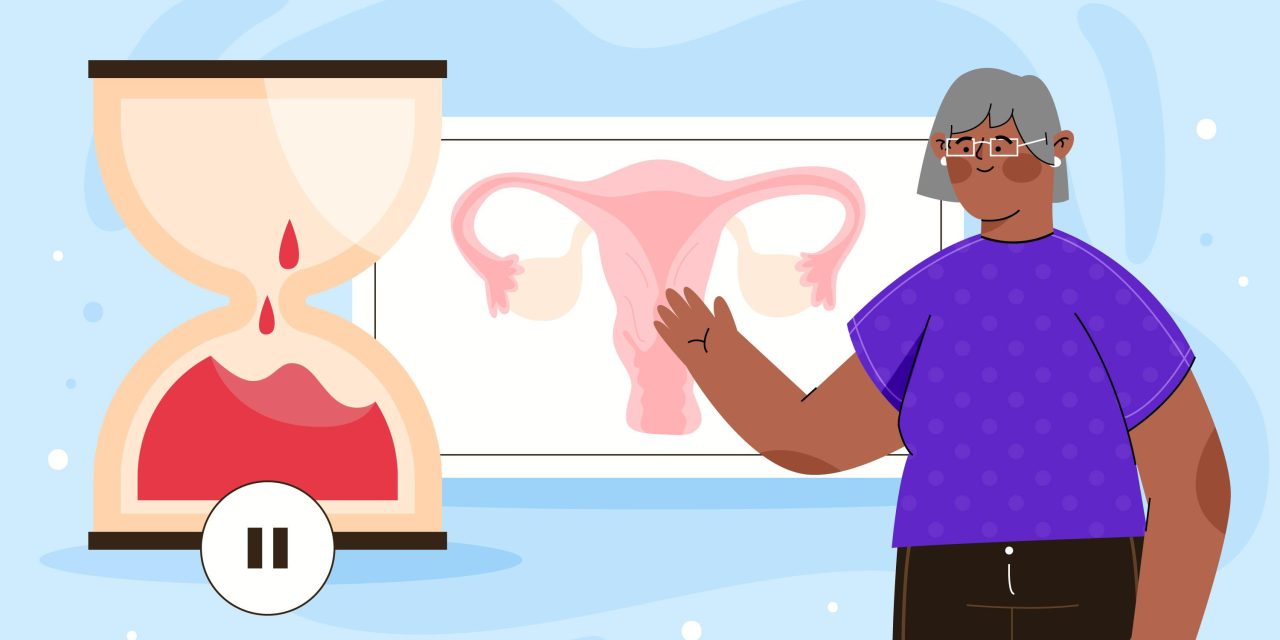
Pre-menopause is a period of transition that eventually ends in menopause. Menopause is the term used to describe the end of a woman’s menstrual cycle. When you have not had a menstrual cycle for 12 months, you are officially in menopause.
Pre-menopause, however, can start in your mid-30s and last until your mid-50s. Some women only go through pre-menopause for a few months. But for many, it lasts between four and eight years.
As you get older, your ovaries produce less oestrogen and progesterone, preparing to stop releasing eggs entirely. Your body is in a state of preparation for when you will no longer be able to conceive. It’s a normal part of a woman’s reproductive cycle.
Important to know: menopause is a natural phase of a woman’s reproductive cycle. At the same time, some women with a family history of premature menopause may begin menopause sooner.
Menopause can immediately begin after the uterus is surgically removed along with both ovaries. It can also be induced by certain types of cancer radiation and chemotherapy. Arthritis and Graves’ disease, as well as smoking and using tobacco products, could also cause premature menopause.
How long does pre-menopause last?
Some women have symptoms that can last year, even up to 10 years. Still, the duration can vary significantly from woman to woman. During this time, hormone levels fluctuate, leading to various symptoms as the body gradually transitions toward menopause.
Premature menopause symptoms
While some women experience no symptoms at all, others have mild to severe hot flashes, a sudden build-up of body heat, irregular periods, urinary urgency, insomnia, mood swings, and vaginal dryness.
A doctor may prescribe antidepressants to treat depression and mood swings. Birth control pills can also help balance your hormone levels, while oestrogen therapy keeps oestrogen levels in check. This is available as a cream, gel, patch or pill.
Plus, vaginal creams to relieve vaginal dryness and lessen sex-related pain.
One of the most common symptoms: hot flashes
Where do these come from? These heat waves can be incredibly bothersome, ranging from heat spikes all over your skin, neck, head, and upper body, to heavy perspiration and a rapid pulse. Many women go from hot flashes straight into shivering and chills as well. Experts believe that these are caused by both the sudden drop in oestrogen and hormonal disruption. As a result of this disruption, your heart races, and your blood vessels open to push more blood to your skin’s surface quickly.
Your emotional and mental health with premature menopause
The sudden hormonal changes often trigger mood swings, anxiety, depression, and feelings of irritability or overwhelm. Many women also experience increased stress and difficulty concentrating, which can affect daily life and relationships. Understanding and addressing these emotional challenges is vital for maintaining your overall mental health during this transitional phase.
How do I treat pre-menopause?
It’s not necessary to medically treat premature menopause symptoms, unless they become bothersome and start interfering with your daily activities. Here are a few lifestyle tips to ease particularly aggravating moments during this life stage.
- Your food choices matter, especially as you get older. Eat a healthy daily diet with plenty of fruit, vegetables and wholegrains.
- Try to eat calcium-rich foods at least every day. If necessary, ask a pharmacist about a calcium supplement.
- Exercise regularly. And by regularly, we mean at least four times a week!
- Find what triggers your hot flashes, perhaps it’s caffeine or alcohol. Keep a record of this.
- Stop smoking and cut down on alcohol.
- If your doctor advises you to lose weight, do so in a healthy manner. When you lose weight, your energy level rise, and your hot flashes and night sweats may disappear.
- Dress in light layers that you can easily remove when the hot flashes hit.
Images: Freepik