Cervical cancer is a health issue that affects women globally, yet it’s one of the most preventable cancers
The facts are sobering, cervical cancer is a real concern for women in Africa. The World Economic Forum reports that between 60–70% of women in African countries are diagnosed at a late stage, and just one in two women diagnosed with breast cancer in an African country will survive five years. For people in high-income countries, that figure is over 90%.
What is cervical cancer?
Cervical cancer develops in the cervix, the lower part of the uterus that connects to the vagina. Most cases are caused by the Human Papilloma Virus (HPV), a common virus that spreads through skin-to-skin contact, including sexual activity. While not all HPV strains lead to cancer, certain high-risk types are closely linked to cervical cancer.
Why is cervical cancer so serious?
It’s estimated that HPV is responsible for 99% of cervical cancer cases. The danger with HPV is that you can have it without even knowing.
The virus can remain hidden in the body for years, often without any symptoms, allowing abnormal cells to develop and potentially progress to cancer if not detected early. As cervical cancer typically doesn’t display symptoms until it’s more advanced, women should have regular screenings and HPV vaccinations.
Symptoms can include:
- Irregular bleeding or spotting between periods.
- Heavy or painful menstrual cycles.
- Unusual vaginal discharge.
- Pain during intercourse.
- Persistent pelvic or back pain.
- Bleeding after menopause.
However, many early-stage cases are symptom-free, which is why regular screenings are so important.
What is the HPV vaccine?
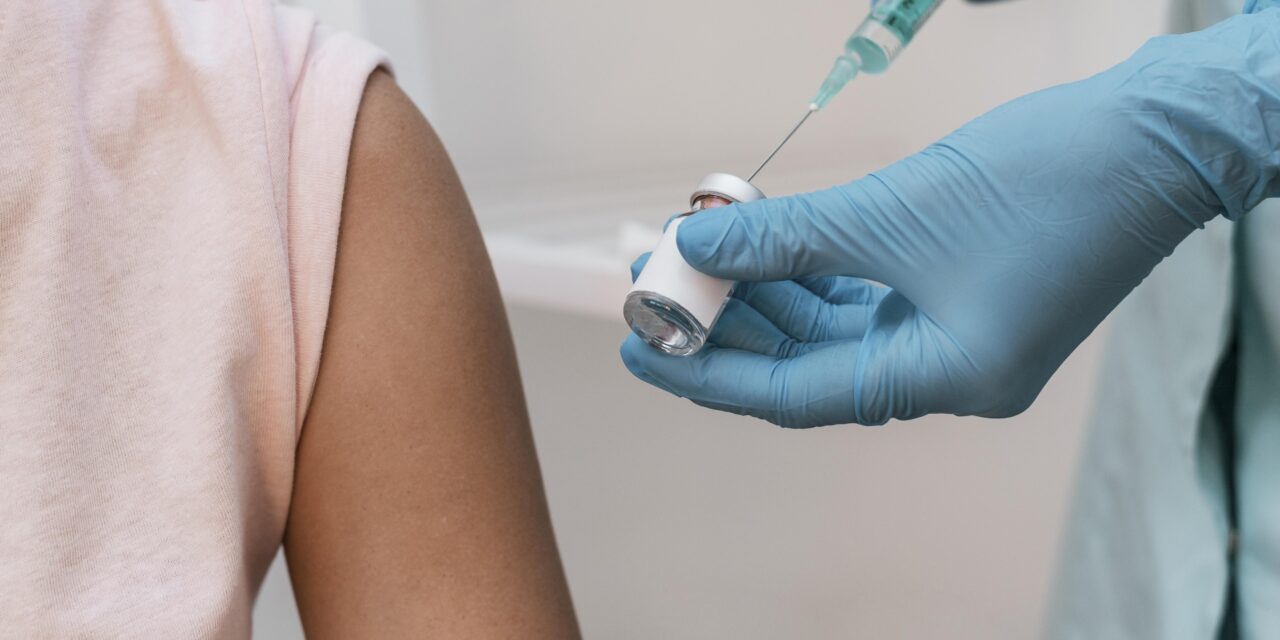
Similar to a flu vaccine, the HPV vaccine is created to help prevent illness. In this case, cervical cancer – and vaginal and vulvar cancer and genital warts and anal cancer in men and women.
In an open letter on its website, the Cancer Association of South Africa urges parents to get their girls vaccinated.
“HPV vaccination can be a cost-effective strategy in the lowering of cervical cancer risk among women. HPV is a very common virus. The virus lives on the skin and can be transmitted through skin-to-skin contact. HPV viruses No 16 and 18 are responsible for most (about 70%) HPV-related cancers. Some of the other high-risk HPV types is responsible for the remainder of cervical cancer cases. Some strains of HPV cause genital warts in men and women. Close to 80% of cervical cancers are caused by HPV. Cervical cancer is a cancer that can be prevented and responds well to treatment when diagnosed early. The Cancer Association of South Africa (CANSA) wishes to advise parents/guardians to get their daughters vaccinated for HPV, to ensure that they can lower their risk from getting cervical cancer.”
Other countries, like Rwanda, Senegal, and Nigeria, have also introduced HPV programmes for school-aged girls. The vaccine may cause a few side-effects, but nothing alarming. Common side-effects are usually soreness, swelling, and redness on the injection site. In a few cases, some may experience dizziness or fainting after the injection.
Help at hand
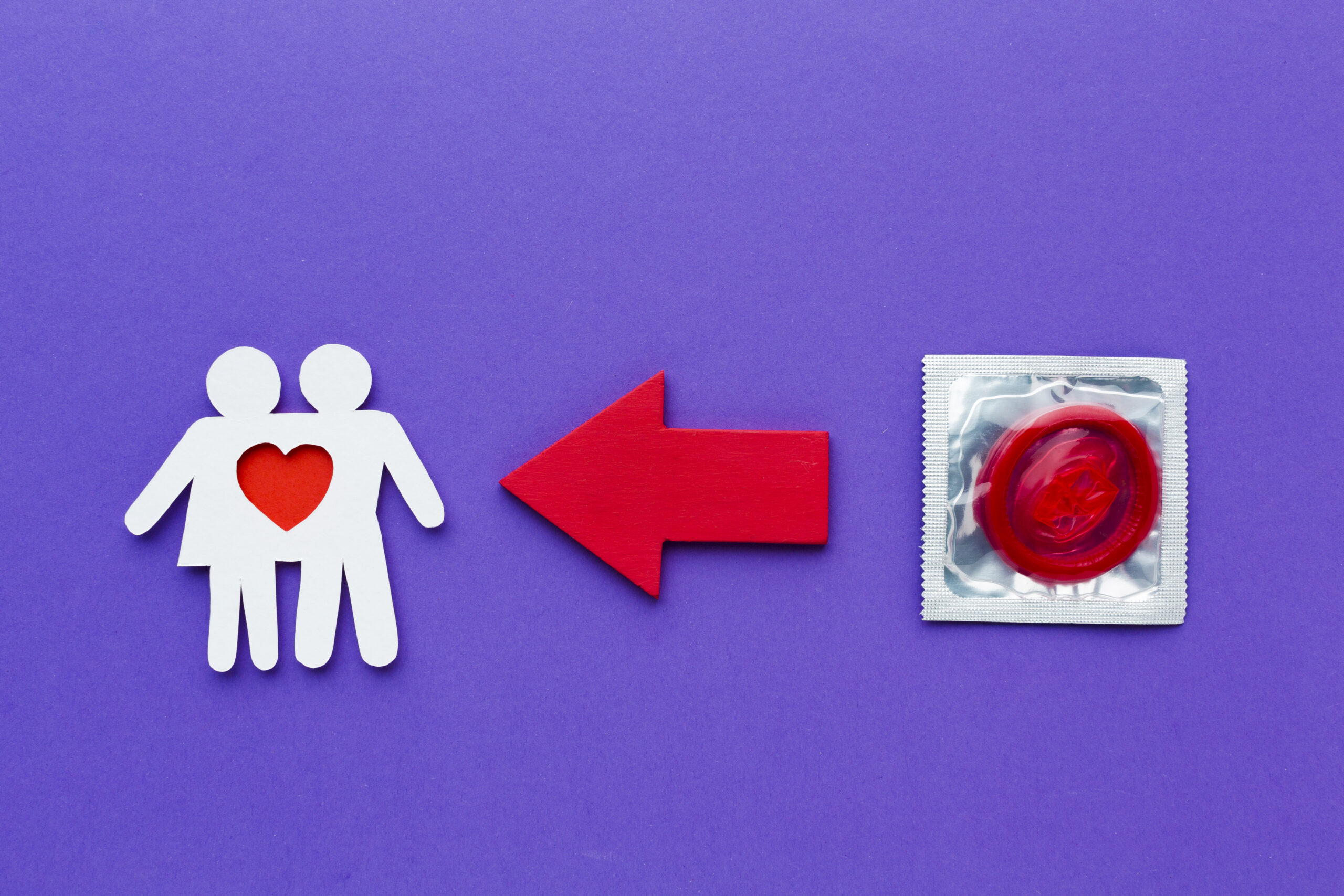
- Ask at the clinic about the HPV vaccine to check if you’re within the age range. Even if you’re out of the age range of the vaccine, you should still do your best to lower your risk of cervical cancer. Remember, HPV spreads through sexual contact which includes oral, vaginal or anal intercourse. Using condoms and reducing the number of sexual partners can help lower the risk of HPV transmission. Still, please know that condoms don’t offer complete protection against HPV.
- Keep your immune system strong with regular exercise and a healthy diet. Smoking weakens the immune system and is linked to a higher risk of cervical and other cancers. Quitting can significantly help to reduce this risk.
- To help detect cervical cancer in the earliest stages, go to a gynaecologist or healthcare professional for regular Pap smear tests beginning at the age of 21. Don’t ignore warning signs and symptoms like vaginal bleeding after sex, between periods or after menopause, pelvic pain, or pain during sex. Please speak to your doctor as soon as possible.
Images: Freepik