
Quick and simple swaps to help reduce your sugar intake and manage diabetes
The World Health Organization (WHO) recommends that added sugars should make up less than 10% of total daily energy intake, with an ideal goal of less than 5% for additional health benefits.
This translates to about six teaspoons (25 grams) of added sugar each day for women. For men, it’s approximately nine teaspoons (36 grams) of added sugar per day. With that in mind, let’s consider how much sugar we actually consume in one day. If you’re diabetic, it’s even more important to reduce your sugar intake to better manage your health.
Quick Read:
- Diabetics, especially those with Type 2 diabetes, must pay close attention to their sugar intake.
- Excess sugar is a leading risk factor for diabetes, and increasingly more children are at risk as obesity rates spike.
- Even natural sugars can increase your blood sugar, so it’s important to practise moderation and portion control.
How much sugar are we really eating?
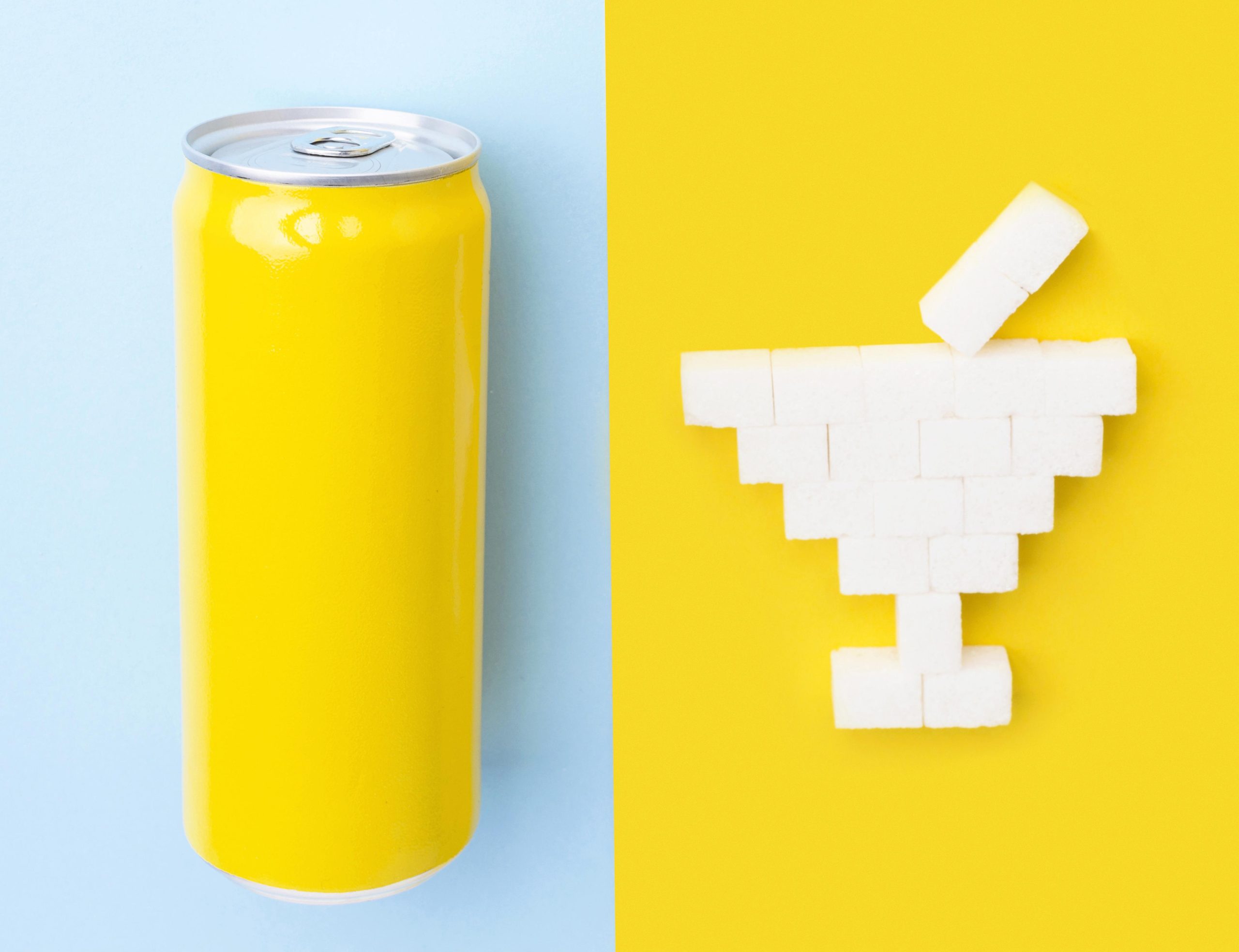
Sugar is found in almost every type of food. Try to add up your intake. How much sugar goes into your coffee and how many times a day is that? How about the tomato sauce over your fries? Yes, there’s sugar in sauce. And if you’re regularly sipping juices and soft drinks, chances are your sugar intake is far more intense than you realise.
Good to know: starchy carbohydrates, such as rice, bread, and pasta spike blood sugar levels quickly, while non-starchy carbs are high in fibre and raise blood sugar gradually.
Simple steps to reduce your sugar intake
Minimising your sugar intake isn’t just about your waistline; it can make all the difference in managing diabetes and lowering your risk for this disease. Sugar overload can spike your blood sugar and increase health risks, but small changes can make a big difference. Here are some easy (and surprisingly delicious) ways to cut back without feeling deprived.
More water, fewer soft drinks
- Drinking sugary, fibreless liquids (such as soft drinks, sweetened waters, and coffee beverages) raises insulin levels and triggers food cravings. A relatively quick way to reduce your sugar intake is to substitute these concoctions with water, sparkling water, herbal tea, unsweetened coffee, and fruit.
Satisfy your cravings without sugar
- You can satisfy your need for sugar with natural sources. Instead of chocolate, opt for yoghurt with a splash of honey. Skip ice-cream and have a mango. You don’t need a slice of cake when you can have pears or plums baked with cream. And if you must have chocolate, dark chocolate is generally far healthier and more filling. Look for one with at least 70% cocoa. Tasty and good for heart health.
No sauce, lots of flavour
- Your food doesn’t always need the extra sugar from tomato, barbecue, or sweet chilli sauce (all filled with sugar). Instead, flavour your meals with herbs and spices. Bonus: these are usually free of calories. Pesto is also a good alternative sauce for sandwiches.
Be better at breakfast
- Cereals are typically loaded with sugar, and it does your body no good to feed it a sugar high first thing in the morning. Change up your breakfast menu and opt for scrambled eggs, wholegrain toast, a protein smoothie, or avocado and toast. Pancakes, waffles, muffins, and jams are also high in added sugar.
Low-fat/high sugar
It seems logical to buy low-fat foods when you’re trying to eat healthier or reduce your sugar intake. But the twist is that many low-fat foods are high in sugar. Make it a habit to read the label on the back of the food item and you’ll learn how to better understand the sugar content. Look for names like “sucrose”, “dextrose”, “molasses” – these are all alternative names for sugar.
Low-fat doesn’t necessarily mean less sugar, so read those labels carefully.
Help at hand
- Fennel is said to be a natural sweet source that helps keep sugar cravings away. Chew a few seeds after supper.
- Don’t head to the shops when you’re hungry. That’s is a good way to ravage the sweet aisle. Instead, have a quick snack before you buy groceries.
- For every sweet you “crave”, drink a glass of water first. This trick may just quench that craving.
- Overhaul your diet to focus less on quantity, and choose more foods that are natural and whole. Less additives, more foods in their natural state.
Images: Freepik