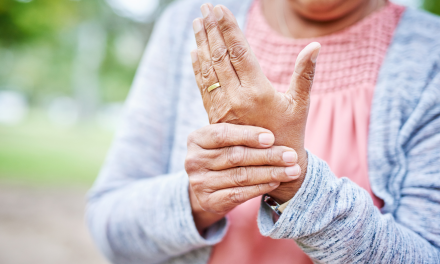

Being overweight can affect your health in many ways, including your joint health
The more you weigh, the more stress and damage your joints can experience. In fact, it’s this serious: every extra kilogram of body weight puts more pressure on and affects your joints, especially the knees. Being overweight makes you 20 times more likely to need a knee replacement.
Quick Read:
- Weight affects your joints by increasing their strain, with the knees taking the hardest hit.
- Being heavier can cause more inflammation, worsening joint problems as you age.
- Obesity increases the risk of developing osteoarthritis and other joint issues.
- Losing weight can help to reduce joint pain and improve your overall health.
Why extra weight adds stress to your joints
Your joints, especially the knees, hips, and lower back, are designed to support your body weight. However, even small increases in weight can have a significant impact.
Being overweight can lead to joint damage over time, often causing conditions like osteoarthritis, which mainly affects the hips and knees that bear the most weight. There are two main ways extra weight increases your risk
of osteoarthritis:
- Extra pressure on joints: Gaining weight puts more stress on your joints. For example, every kilogram you gain adds more pressure on your knees when you walk or climb stairs.
- Inflammation: Extra weight can cause inflammation in the body. This is because fat produces substances that can damage cartilage and increase joint pain, especially if you have a family history of joint issues.
Common signs your weight could be affecting your joints
If you’re experiencing ongoing joint pain, stiffness, or swelling, these might be signs that your weight has an impact on your joint health. Watch for:
- Discomfort in your joints after physical activity.
- Reduced flexibility and regular stiffness in joints/limbs.
- Difficulty managing daily tasks, like climbing stairs or getting up from a chair.
- Swollen or tender joints.
How losing weight can help your joints
The good news is that losing weight can significantly improve these problems. Research shows that losing just 10% of your body weight may cut arthritis pain in half. Losing 20% may reduce joint pain by 25%.
Weight loss not only relieves pressure on your joints but can also slow or even stop disease progression. In fact, there’s been some promising news this year about anti-obesity drugs having a positive effect on arthritis.
The benefits don’t stop there – healthy weight loss can also lower blood pressure and reduce the risk of diabetes and heart disease, leading to better overall health.
Which joints are most affected by excess weight?
- The knees carry most of the body’s weight during movement. Extra weight can speed up cartilage wear and increase the risk of osteoarthritis.
- The hips support your upper body and help with walking, sitting, and standing. Excess weight can cause stiffness and pain over time.
- Additional weight, especially around the abdomen, can pull the spine forward and strain the lower back muscles and joints.
Practical ways to protect your joints
Need to shed some weight? Healthy eating, regular exercise, and positive lifestyle changes can help.
Get started with these tips:
- Follow a balanced diet: Eat plenty of fruits, vegetables, lean proteins and wholegrains. These foods can help you reach and maintain a healthy weight while providing the nutrients that are important for joint health.
- Exercise regularly: Try low-impact activities like swimming, cycling, or walking. These exercises strengthen the muscles around your joints without putting too much strain on them.
- Talk to your doctor: Work with your doctor or a dietitian to create a personalised weight management plan that suits your needs.
- Stay consistent: Weight management is a long-term commitment, so create realistic goals.
- Watch your portion sizes: It may not seem like you’re taking in too many calories, but meals, snacks and drinks can all quickly add up and pile on more weight.
If joint pain persists, it could be a sign of a condition like osteoarthritis, which occurs when the cartilage that cushions your joints begins to break down.
The risk of developing this condition increases with factors such as carrying excess body weight, getting older, having had previous joint injuries, or having a family history of joint problems. Getting treatment early can help slow the progression of the condition, reduce discomfort, and improve overall quality of life.
Now that you understand how weight affects your joints, you can take steps to protect them. Every little bit counts – your joints will thank you!
Images: Pexels