
The critical connection between sleep and bone health
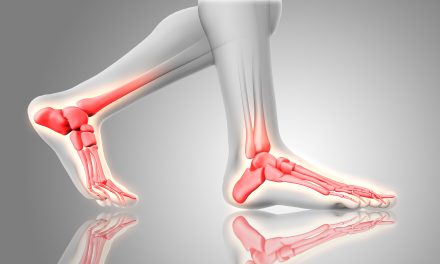
Most people overlook the impact of sleep and bone health when planning their wellness routines, but the two are inextricably linked through hormonal regulation and physical recovery. While it may sound far-fetched, the consequences of poor rest stretch far beyond morning grogginess; your bones can literally start to bear the burden of restless nights.
Quick Read:
- Deep sleep triggers the release of growth hormones essential for repairing bone and muscle tissue.
- Lack of sleep spikes systemic inflammation, worsening joint pain and conditions like arthritis.
- Chronic exhaustion weakens muscles and slows injury healing, leaving your bones vulnerable to fractures and “silent” bone loss.
Beyond being tired: why sleep quality matters
We often think of sleep as a luxury, but for your skeletal system, it is a biological necessity. While feeling tired after a long week is normal, persistent exhaustion is a red flag. If you find yourself struggling to stay awake despite getting enough hours, or if you suffer from loud snoring and morning headaches, you may be dealing with sleep apnoea or insomnia.
In the long run, these issues do more than just fog your brain, they actively degrade your physical structure.
The biological link: growth hormones and repair
When you enter the stages of deep sleep, your body acts as a construction site. This is when your endocrine system releases growth hormones, which are vital for cellular repair and bone remodeling.
When you consistently miss out on quality rest, your body loses its dedicated “night shift” for essential repairs. Instead of fixing the tiny micro-strains in your bones and muscles, your system stays on high alert, triggering inflammation that leaves your joints feeling stiff and stubborn. This lack of recovery essentially turns up the volume on your pain signals, making chronic conditions like arthritis feel significantly sharper than they would after a good night’s sleep. Prioritising sleep and bone health isn’t just about feeling awake; it’s about giving your body the downtime it needs to keep your frame strong and pain-free.
Pain sensitivity and physical support
Have you noticed that your back or knees ache more after a restless night? This isn’t a coincidence. Sleep deprivation makes your nervous system hypersensitive to pain. When you’re well-rested, it’s easier to ignore minor discomforts, but after many sleepless nights, the pain amplifies.
Furthermore, chronic sleep loss leads to muscle atrophy. Your muscles are the primary support system for your joints. When muscles weaken due to lack of recovery, your hips, knees, and lower back take the brunt of the weight, leading to faster wear-and-tear and a higher risk of injury.

The “silent” threat: recognising bone loss
Bone density loss is often called a “silent” condition because you cannot feel your bones thinning. However, the combination of poor sleep, low protein intake, and a sedentary lifestyle creates a “perfect storm” for skeletal fragility.
Warning signs to watch for:
If you notice the following, it’s important to speak to a doctor to discuss a bone density (DEXA) scan:
- Persistent back or joint pain that doesn’t get better with rest.
- Loss of height: feeling like you are “shrinking.”
- Stooped posture: a noticeable curve in the upper spine.
- Fragile extremities: brittle nails or thinning tooth enamel.
- Easy fractures: breaking a bone from a minor stumble or fall.
A DEXA scan uses low-dose X-rays to measure the amount of calcium and other minerals in your bones. This allows your doctor to assess your bone density (thickness), understand your overall bone health, and estimate your risk of osteoporosis. It can also indicate how much bone loss you may have already experienced.
Help at hand
Getting enough quality sleep isn’t just about being rested. It’s a vital cog in your overall wellbeing. Make it a priority to stick to a consistent sleep schedule, exercise regularly (weight-bearing exercises), and see a doctor regularly for necessary health assessments.
Images: Freepik