We tend to slack on exercise as we get older, but maintaining fitness is important for overall wellbeing as you age
Hitting the snooze button is easy, but a sedentary lifestyle is a risk you cannot afford to take. Fitness as you age is non-negotiable, but if you’ve found it increasingly difficult to prioritise your health amidst the demands of life, you aren’t alone. Still, consistent fitness is one of the most effective ways to preserve your independence and quality of life.
Whether you are looking to manage your weight, boost your heart health, or simply feel more capable in your daily activities, the good news is that you don’t need an elite athlete’s training program to see results. In this guide, we’ll explore how sustainable movement and simple, at-home routines can help you reclaim your vitality and keep you moving with confidence for many years to come.
Quick Read:
- Regular movement preserves your ability to perform daily tasks without assistance.
- Consistent exercise lowers the risk of chronic conditions like heart disease and diabetes.
- Specific balance exercises, such as Tai Chi or heel-to-toe walking, can help reduce injury risks.
Fitness as you age: does it matter?
Short answer: more than you may realise. Exercise tends to take a back seat as we get older, but it absolutely should not. The conundrum is that as we get older, we feel less inclined to exercise – but exercise is what helps to keep us young, vital, and healthy.
Staying fit means you can prolong your ability to go about your daily activities without needing much assistance, preserving your independence and long-term quality of life.
Here’s more motivation to make the commitment to staying fit as you get older.
Heart health
Regular exercise isn’t just about staying in shape; it’s about keeping your body strong and resilient as you age. Whether it’s going for a brisk walk, lifting weights, or practising yoga, staying active offers a feast of benefits for your overall health.
For starters, exercise is like a tune-up for your heart. It helps keep your cardiovascular system in tip-top shape, reducing the risk of heart disease and other chronic conditions. Plus, activities like walking or jogging help maintain bone density, lowering your risk of osteoporosis and fractures.
But that’s not all. Exercise also works wonders for your muscles and joints. Strength training helps keep your muscles strong, preventing age-related muscle loss (known as sarcopenia). And stretching exercises, like those found in yoga or Pilates, improve flexibility and joint mobility, reducing the risk of injury and enhancing your ability to tackle daily activities with ease.
Consider it this way: investing in regular exercise now pays off later. It’s not just about looking good, it’s about feeling great and staying healthy for years to come.
Preventing falls
As we get older, it’s common for our balance and coordination to dull. This can make us more prone to stumbling or falling, which may lead to serious injuries such as fractures. However, there are simple exercises we can do to help improve our stability and lower the chances of taking a tumble.
For instance, activities like standing on one leg, walking in a straight-line heel-to-toe, or Tai Chi are excellent mini workouts. These exercises help us get a better sense of our body’s position in space (which is called proprioception), and strengthen the muscles around our joints that help keep us steady. By doing these exercises regularly, we can significantly boost our balance and reduce the risk of falls, ultimately helping us stay safe and active as we age.
Managing your weight
First, it’s just one kilo, a month later, the scale shows you’re five kilograms up from your weight. What’s changed? Your metabolism is the answer.
As metabolism slows down with age, staying active is the bridge to managing weight and preventing obesity, which is linked to numerous health issues, including diabetes, hypertension, and joint problems.
Exercise is an aide in improving insulin sensitivity, making it easier for cells to take up glucose from the bloodstream. This can help prevent or manage Type 2 diabetes, a condition that becomes more common with age and is closely linked to obesity.
A note on your diet, ageing, and metabolism. Along with regular exercise, removing high-calorie, nutrient-dense foods from your diet may assist your metabolism. Once you start getting rid of sugar and excess salt from your diet, your body and skin will reap the benefits.
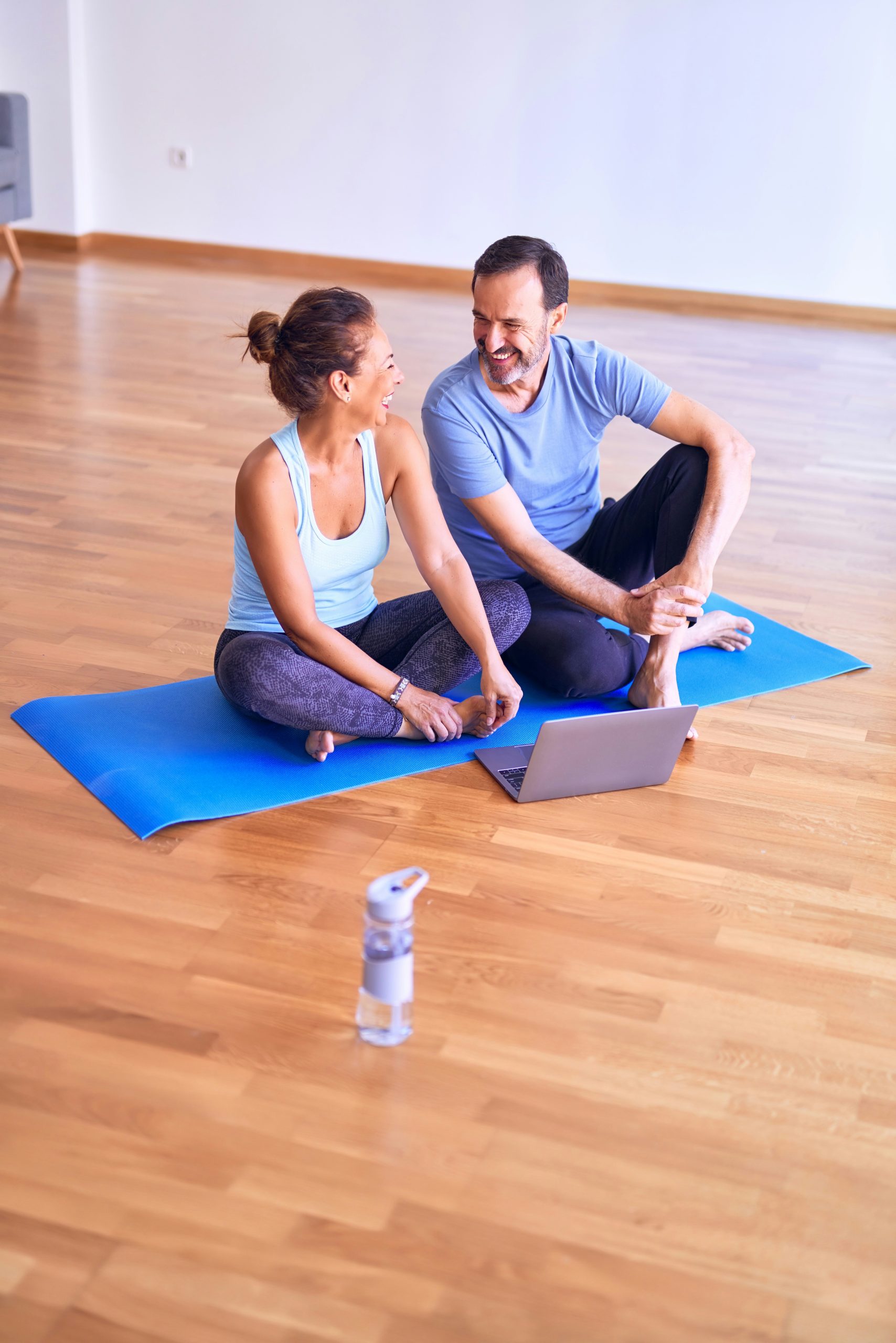
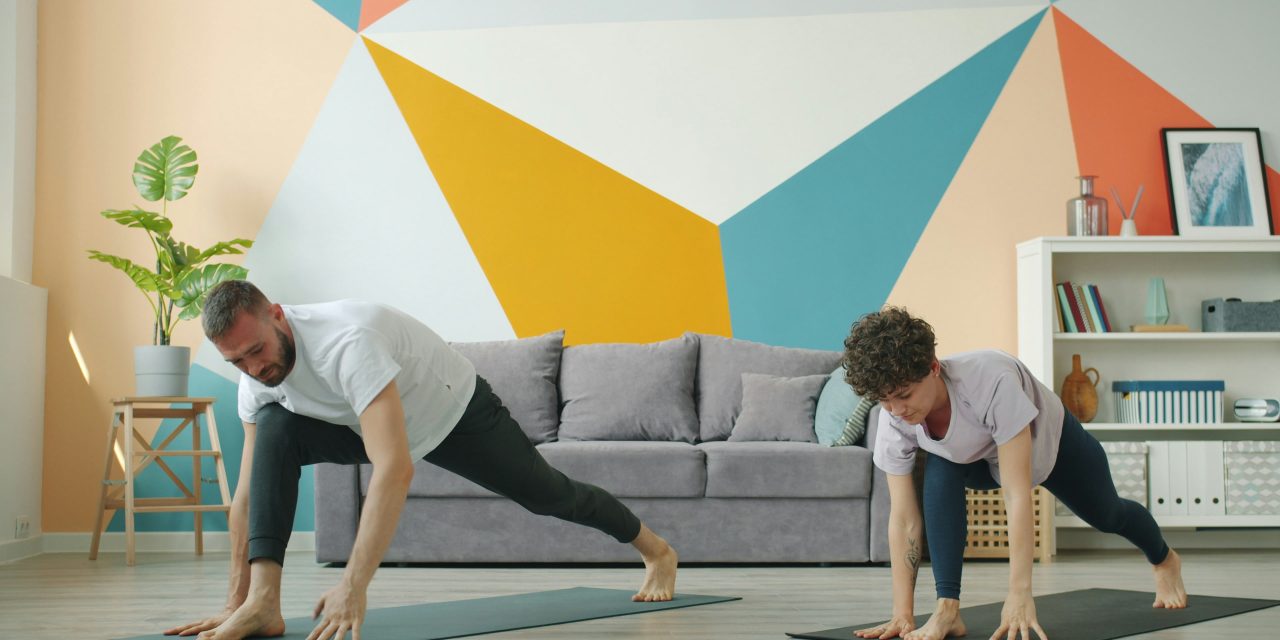
Healthy ageing exercises you can try at home
- Step forward with one leg, lowering your body until both knees are bent at a 90-degree angle, then push back up and step forward with the opposite leg. Keep alternating legs as you walk forward. Aim for 10-12 lunges on each leg.
- Start in a push-up position with your hands directly under your shoulders, engage your core and hold your body in a straight line from head to heels. Hold the position for 20-30 seconds, gradually increasing the time as you get stronger.
- Sit on the edge of a sturdy chair or bench, place your hands shoulder-width apart on either side of your hips, and slide your bottom off the edge of the chair. Lower your body by bending your elbows until your upper arms are parallel to the floor, then push back up to the starting position. Aim for 10-15 repetitions.
- Stand with your back against a wall and lower your body into a seated position, as if you were sitting in an imaginary chair. Hold the position for 30-60 seconds, keeping your back against the wall and your thighs parallel to the floor.
Remember to warm up before starting your workout and cool down afterwards. Listen to your body and modify exercises as needed to suit your fitness level. And always check with your doctor first before starting any new exercise programme, especially if you have a pre-existing health condition or you’re on specific medication.
Images: Unsplash