
Parenting burnout is real. Protecting your mental health should be part of your parenting journey
From sleepless nights to constant responsibility, parenting can challenge your mental health. In this article, we discover healthy ways to cope and when it’s time to ask for help.
Quick Read:
- While every parent strives to ensure their child’s happiness, protecting your mental health and peace of mind should also be a priority.
- When you are in a constant state of anxiety, stress, and overactivity, your child may start to learn these same behaviours.
- Small daily moments can play a powerful role in building your emotional wellbeing and strengthening the family dynamic.
The hardest job in the world
“It’s the hardest job in the world” is an oft-uttered phrase when people speak about being parents. Perhaps a cliché, but certainly not without a ring of truth. Parenting mental health refers to the psychological wellbeing of people who are parents or caregivers.
It encompasses the emotional, cognitive, and behavioural aspects of mental health that are influenced by the challenges and responsibilities of raising and caring for children. Parenting can be incredibly rewarding, but it can also be demanding and stressful, which may have a significant impact on a person’s mental health.
What causes parenting stress?
Parenting naturally brings with it high levels of stress and pressure. After all, you are raising little humans, tending to their needs, feeding, and educating them. When we consider our own work, goals, and hobbies, is it any wonder that parenting becomes a strenuous balancing act that could floor a world-class gymnast?
Balancing work and household responsibilities while caring for children can quickly lead to frustration and exhaustion, which in turn, affects your mental wellbeing.
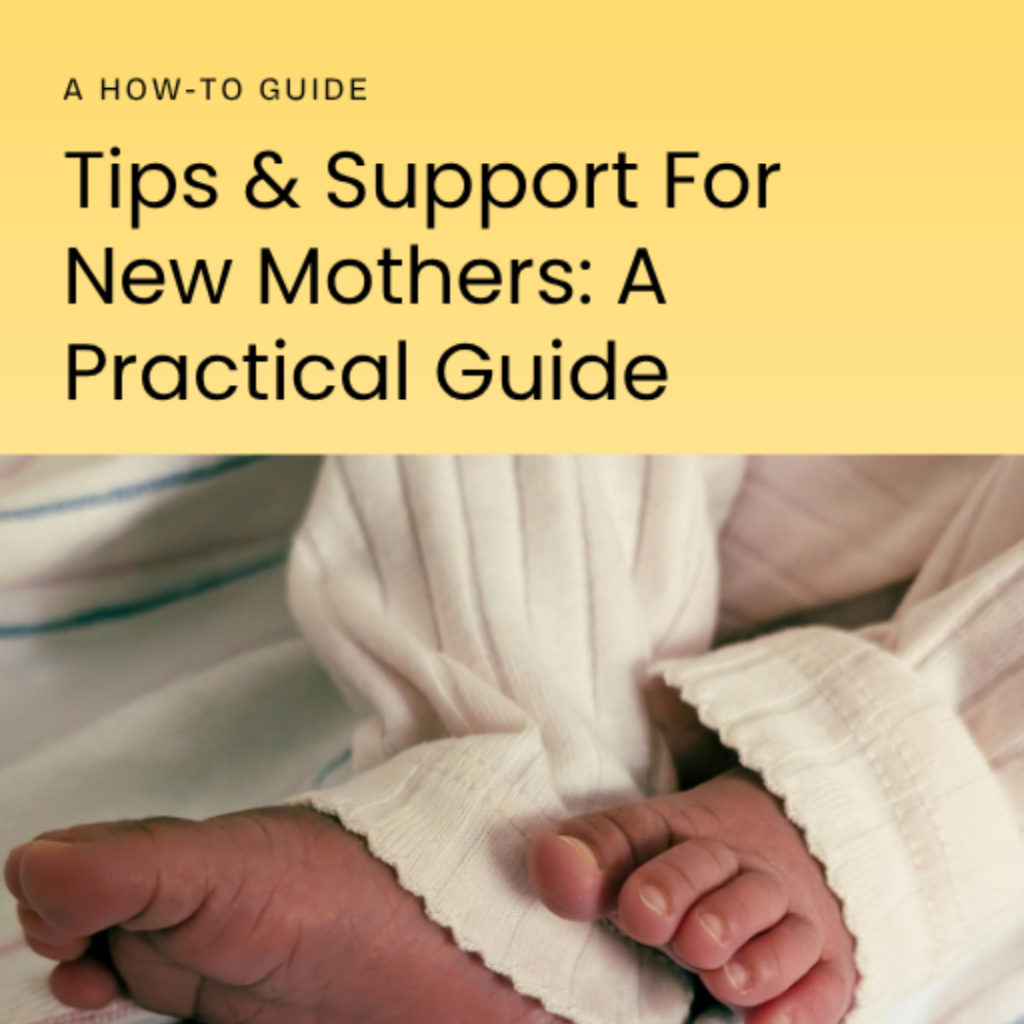
Postpartum depression and anxiety are also common mental health challenges that affect some mothers after giving birth. Hormonal changes, lack of sleep, and the rigours of caring for a newborn often contribute to these conditions. Postpartum depression and anxiety require proper attention and support.
So, where do we start? Taking care of one’s own mental health is a non-negotiable for effective parenting. Parents need to prioritise self-care activities that help reduce stress, such as exercise, socialising, pursuing their own hobbies, and carving out alone time.
Continuous stress and exhaustion can lead to parental burnout, which is characterised by emotional exhaustion, detachment, and a sense of being overwhelmed by parenting responsibilities.

Why your mental health matters as a parent
It’s easy to believe you need to keep going no matter how overwhelmed, exhausted, or emotionally drained you feel. But constantly putting your own needs aside affects you and your relationships, your physical health, and your ability to care for your family.
- Ignoring your emotions doesn’t make them go away. Pushing down feelings of stress, anxiety, frustration, or sadness often allows them to build over time, increasing your risk of burnout, anxiety, and depression.
- Feeling like you have to be “strong” stops you from asking for help. Many parents worry that admitting they’re struggling is a sign of failure. In reality, reaching out for support is one of the healthiest things you can do.
- Constant stress takes a physical toll. No one can indefinitely face the daily demands of parenting without rest or support. Chronic stress contributes to burnout, sleep problems, a weakened immune system, and increases the risk of long-term health conditions.
- You don’t have to pretend everything is okay. Trying to maintain a positive facade all the time soon becomes a form of toxic positivity, leaving little room to acknowledge difficult emotions or process life’s inevitable challenges in a healthy way.
- Vulnerability is a strength, not a weakness. When parents believe they must “hold it all together,” they often experience guilt or shame when they struggle. Accepting that it’s okay to have difficult days helps break the cycle of self-criticism and creates space for self-compassion and recovery.
Protecting your mental health: it takes a village
Your village, your people, your community; whoever they are, this essential ecosystem gives you support when you need it most. These are the aunts, uncles (honorary and biological), the best friends, neighbours, grandparents, and cousins who offer a safety net to catch you if you stumble.
This village of support doesn’t just alleviate stress – it transforms the arena of parenting into a shared experience. It allows you to catch your breath between days when it feels difficult to breathe, to recalibrate your balance, and to remind yourself that you’re not a solo tightrope walker.
In this grand spectacle of parenting, the net of support is your constant companion, ready to catch you when you stumble or simply need a moment. Ultimately, protecting your mental health is part of being the parent your child needs. When you’re supported emotionally, you’re better equipped to cope with challenges, respond with patience, and create a healthier environment for your entire family.
Remember: a happy and healthy parent is a role model to raise healthy and happy children.
The beginning is the most important part of the work.
– lgbo Proverb
Images: Unsplash