Creativity, life skills, EQ: there’s a myriad of ways to raise smart children outside conventional structures
It’s a brave new world in childhood development and its centre is innovation. Some of us may find it taboo to admit; others are open about our ambitions when it comes to our little ones. There’s nothing wrong with wanting our children to grow up a little cleverer than the rest.
But what exactly is “smart,” and how do we quantify it for the modern child?
Quick Read:
- In today’s world, “smart” has evolved beyond high test scores. True intelligence now encompasses emotional intelligence, critical thinking, and inventive problem-solving.
- By prioritising STEM learning, encouraging conditional thinking, and modelling curiosity, you can help your child thrive in the 21st century.
Moving beyond traditional ideas of intelligence
We usually associate “smart” with intelligence and good performance at school. But, in the modern climate, where Gen Z has grown up with devices at the ready, modern children are evolving.
So, what does intelligence mean for your child who is growing up in the digital modern landscape, where Artificial Intelligence and technology are part of our daily lexicon?
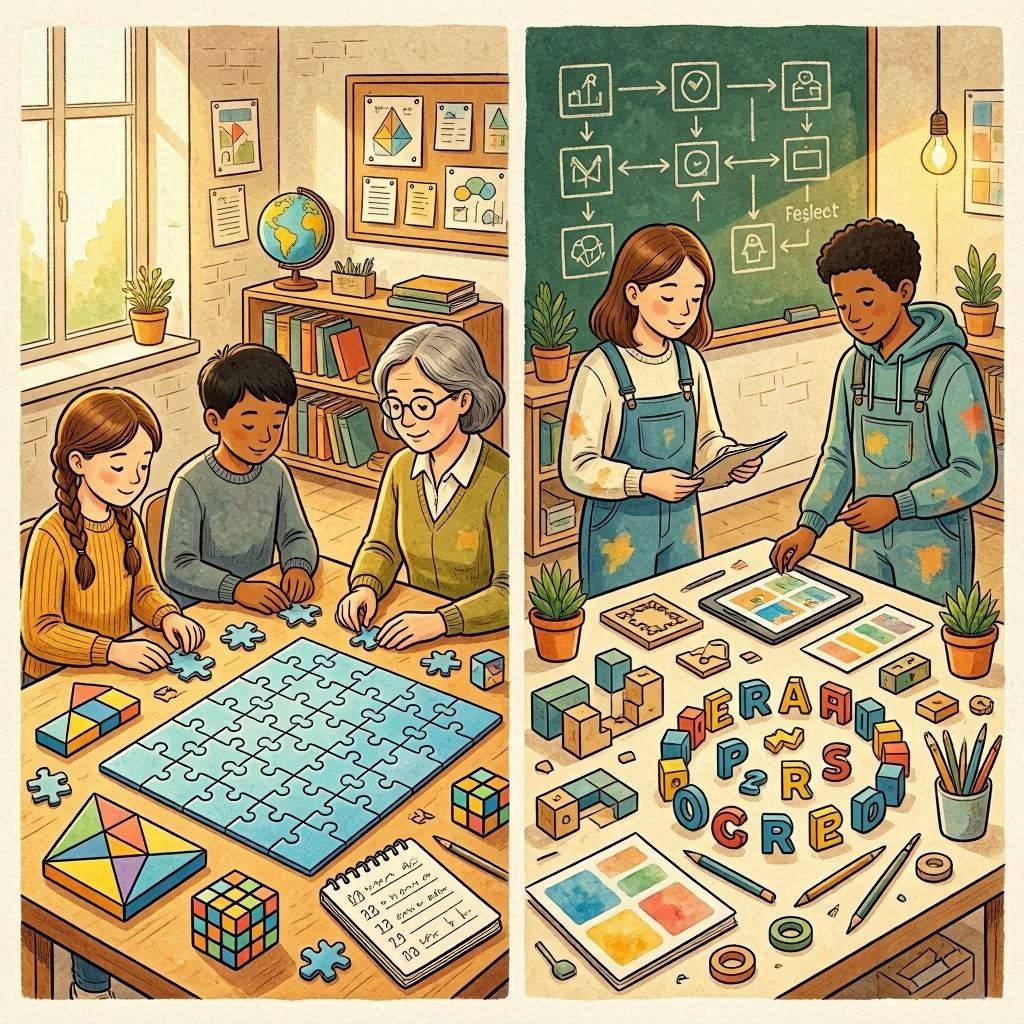
While many parents still prioritise exam and test scores, other types of intelligence exist. According to the Howard Gardner Theory, there are nine forms of intelligence, including linguistic, logical-mathematical, spatial, musical, bodily-kinaesthetic, interpersonal, intrapersonal, naturalistic, and existential.
Within this context, let’s explore alternate ways to raise smart children.
The power of STEM (Science, Technology, Engineering, and Mathematics)
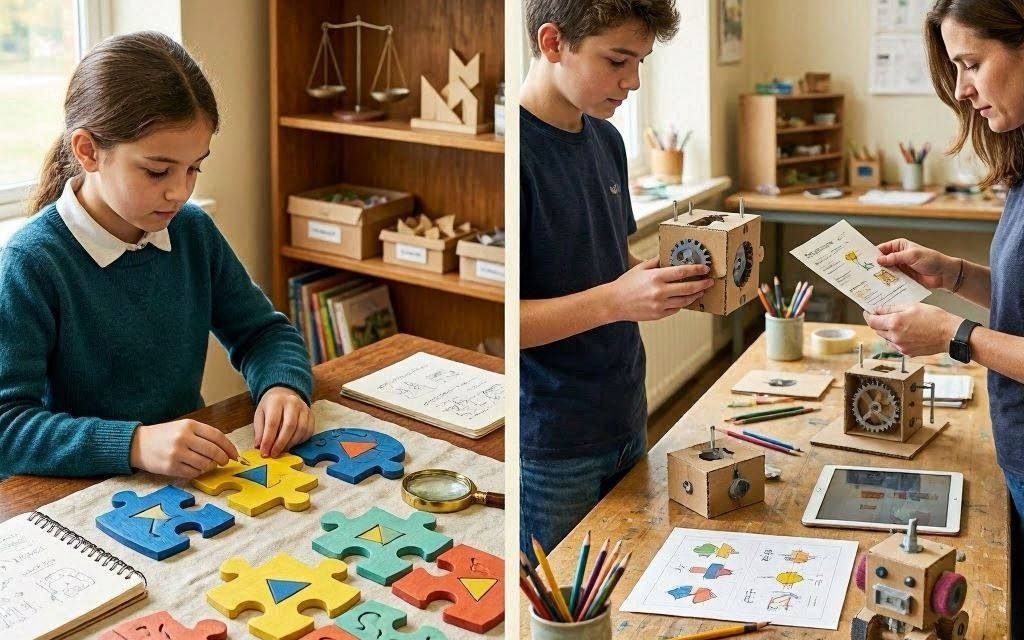
Music lessons, soccer, and tennis are great for overall health, but you may be missing a vital brain-boosting trick: STEM-based learning. Programmes that teach robotics and other tech fields help children learn how to build things and solve problems from scratch. They may start by creating a functional toy from everyday items, and soon evolve to working with complex software. Exposure to science at an early age helps children transition from rote memorisation to well-rounded comprehension; a skill set that lasts into adulthood.
Encourage conditional learning
Author Adam Grant, in his book Originals, suggests a simple linguistic shift: teach in “conditionals,” not absolutes.
The old way: “This is a book.”
The better way: “This could be a book.”
By encouraging children to ask questions about multiple possibilities, you foster a mind that seeks innovation rather than just the “one correct answer.”
Prioritise effort over achievement
It’s tempting to praise a perfect test score, but acknowledging the effort and work itself could be more effective. This recognition motivates children to try challenging tasks, reduces performance anxiety, and builds healthy self-esteem. Focus equally on the process of learning rather than the outcome.
Embrace non-traditional talents
Not every child is a natural master with words or prodigy with numbers. If your child struggles with focus but shows intuitive leadership or communication skills, celebrate and encourage those talents. Your eldest child may thrive with academic tests while your youngest shows proficiency at playing the piano. Embracing these differences is essential for your child’s long-term growth and confidence.
Be a role model
It’s called observational learning. If you want your child to be curious, you must show curiosity. Do you read books for leisure? Have you tried to learn a new language? Remember that your child is constantly watching and mimicking your behaviour. If you do “smart” things, your child will naturally follow suit.
Forget the project mindset
Try not to treat your children as little projects to constantly be optimised. A test score is just a number; it does not define their future or value, nor should it be used to criticise them. Try to understand your child’s unique cognitive profile rather than forcing them into a rigid mold of what “smart” should look like.
Get them moving
Exercise isn’t just for physical health; it’s an essential cog in optimal brain health. Numerous studies have found that exercise is a wonderful brain health helper.
Nobody is born wise.
– Kikuyu Proverb
Learning is active, not passive
While we have access to more technological aides than ever, your child still benefits from one-on-one personal learning. Take the time to have thoughtful conversations and interactions with your child where you show and teach them from real-life examples. Put down the screens and engage in active, real-world conversation with your child.
Images: Bing Image Creator