Your guide to Pap smears and cervical cancer prevention
If you knew that you could significantly lower your risk of cervical cancer simply by visiting a healthcare professional for a routine check-up, how quickly would you make that appointment?
For many, however, the hesitation is real. In South Africa and across various regions, screening uptake remains low, even though cervical cancer stands as one of the leading causes of cancer-related illness and death among women. According to the Cancer Association of South Africa (CANSA), it is in the top five of the most invasive cancers reported in the country. Screening remains one of our most powerful tools in cancer prevention. It could save your life.
Quick Read:
- Routine screening tests do not diagnose cancer, but act as an early warning system to catch pre-cancerous cellular changes caused by the Human Papilloma Virus (HPV) long before they become dangerous.
- Women in South Africa have a one in 41 lifetime risk of cervical cancer.
- Both breast and cervical cancer have been identified as a national priority. Both cancers can be successfully treated if detected in the early stages, so it is important that women are aware of symptoms.
It could save your life: overcoming screening anxiety
Truthfully, a pelvic exam or Pap smear isn’t always the most comfortable experience, and plenty of women avoid the process or delay it because it feels nerve-wracking. Studies show that discomfort, body shame, or fear of examination cause many young women to opt out entirely. While those feelings are valid, are you willing to put your long-term health at risk out of fear of a medical exam?
“Please don’t let unhappiness or uncertainty about your body stop you from a life-saving test.”
– Jo’s Cervical Cancer Trust
What do Pap smears pick up?
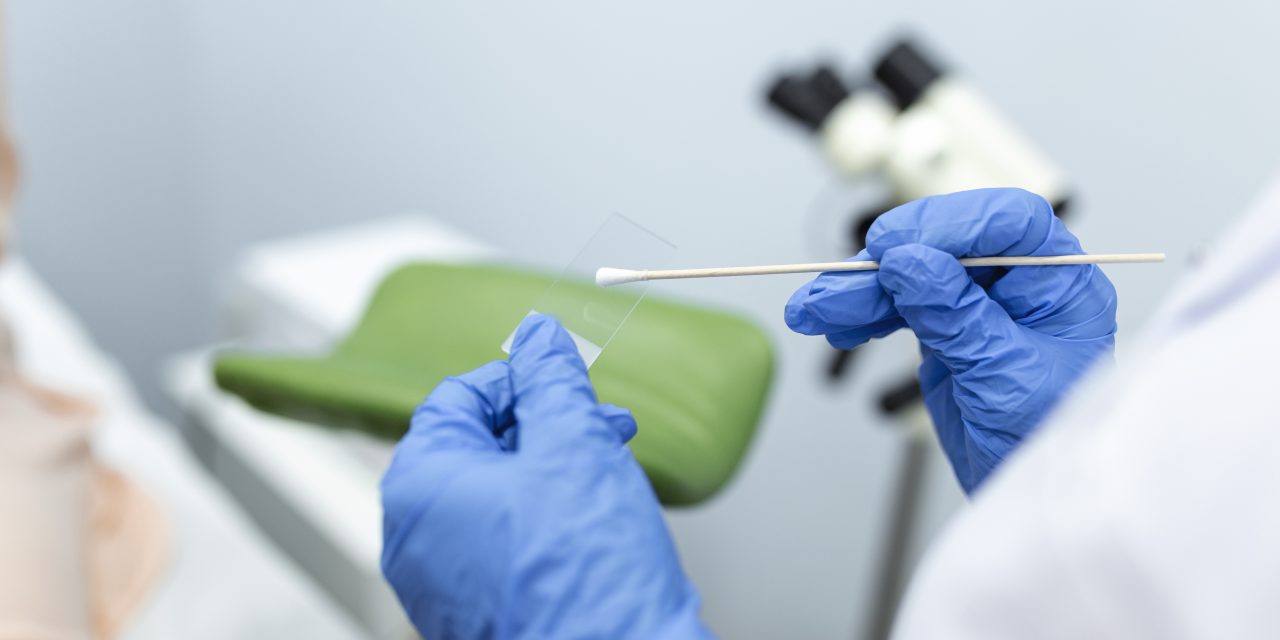
We can thank Greek physician, Dr. Georgios Papanikolaou for developing this foundational cell-collection technique back in the mid-1900s. The process involves gently collecting cells from the cervix to be examined in a laboratory for cellular abnormalities. Medical experts inspect the cells to find anything out of the ordinary that could signal early cancer risks.
Your early warning system: understanding Pap smears and HPV
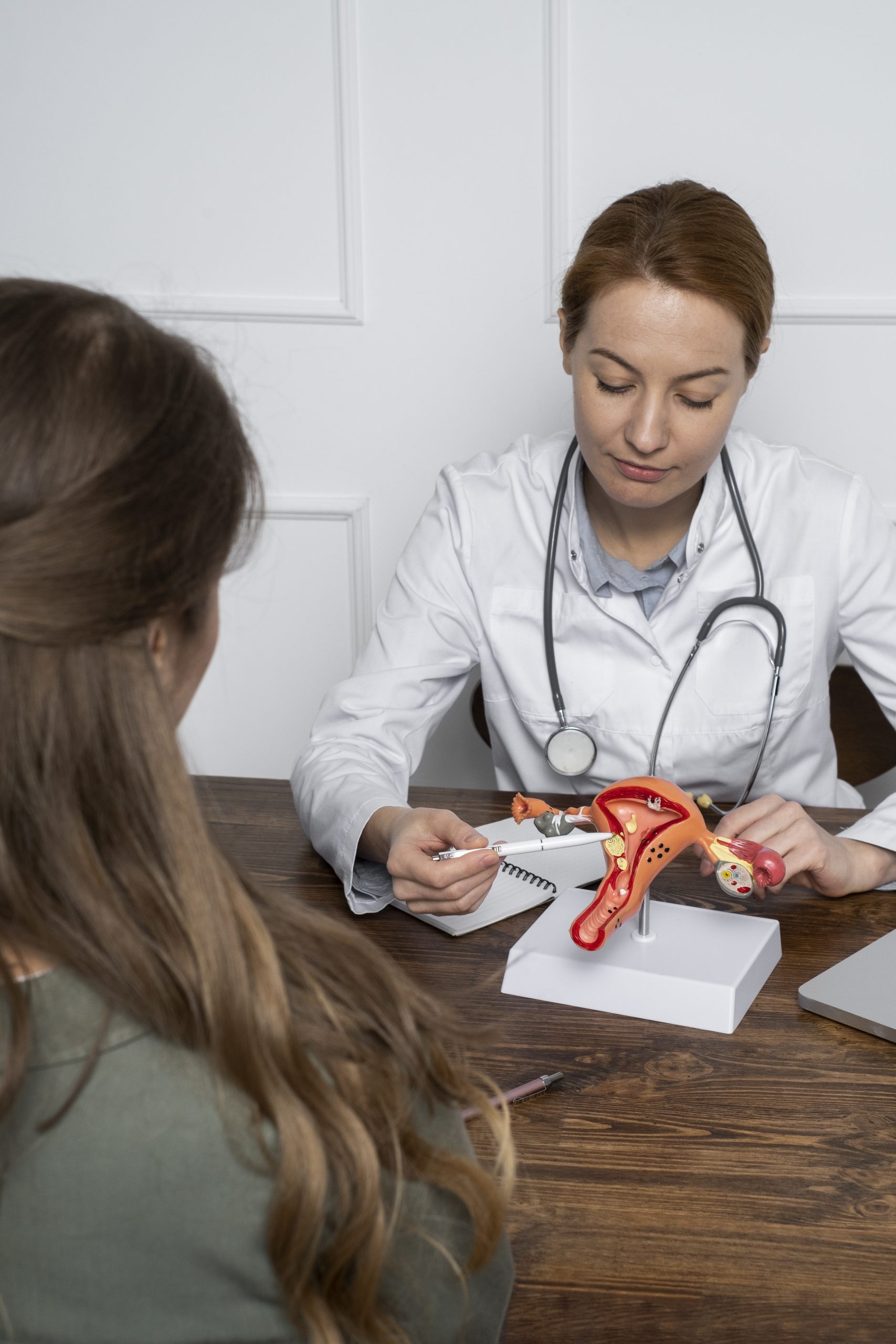
Think of your cancer screening test as a burglar alarm system. A routine check-up can provide essential information and early warning signs. The vast majority of cervical cancers are linked to persistent infections with high-risk types of the Human Papilloma Virus (HPV).
It’s important to know that you can carry HPV without showing any symptoms, which is why regular testing is essential.
According to public health authorities, cancer often takes years, or even decades, to develop after a person contracts high-risk HPV. A screening test doesn’t diagnose cancer, it flags potential risk. Therefore, an abnormal result is a prompt for closer monitoring, not an automatic cancer diagnosis.
While HPV infection is common, most temporary infections can clear up, assisted along by a
healthy immune system.
False results and test failures
It’s normal to be anxious about false results or test failures. These could happen, and in some rare instances, traditional screenings may fail. Common reasons include:
- Laboratories misreading slide results.
- Not collecting enough cellular sample material during the exam.
- Delays or failures in communicating abnormal results to the patient.
It’s possible that a single test can occasionally miss an abnormality, or new changes develop between regular screening cycles. This is why medical guidelines emphasise repeating screening tests at regular intervals. Because severe cellular abnormalities typically take years to progress, routine screening every few years keeps you reasonably alert to potential symptoms.
Are Pap smears painful?
At most, Pap smears should feel uncomfortable, not teeth-clenchingly painful. The doctor uses a speculum to gently open the vaginal canal to brush the surface of the cervix. The process is typically done quietly and with care, with the patient in a relaxed posture, such as tilting the pelvis or using breathing exercises, so discomfort is usually minimal. Please do speak up and let your doctor know if anything feels unusually painful.
Cervical cancer and lifestyle
While cervical cancer cannot be traced to a single cause, credible research shows a clear link between smoking and an increased risk of developing the disease. The risk multiplies with the number of cigarettes smoked daily and how early in life the habit started.
Anything that weakens a person’s immune system increases their risk, especially smoking and other chronic health conditions. Quitting smoking and managing overall immune health provides your body with its best defense.
Help at hand
CANSA recommends that girls from ages 9-12 receive the HPV vaccine. It’s provided free of charge and is available in all government schools.
“Parents and guardians who make it possible for their child to be vaccinated with the HPV vaccine are making sure that the risk is reduced against HPV infection and the possibility of getting cervical cancer.” It’s ideal for girls and boys to receive the vaccine before they have sexual contact and are exposed to HPV.
Pap smears are typically recommended starting from the age of 21, at least every three years. Take charge of your health today: book that check-up and give your future self peace of mind.
Images: Freepik