Are you paying enough attention to your heart health?
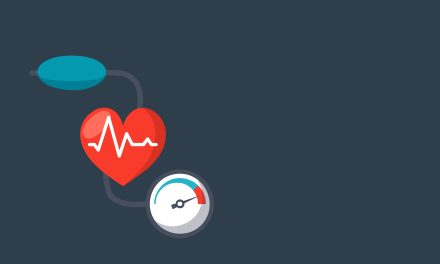
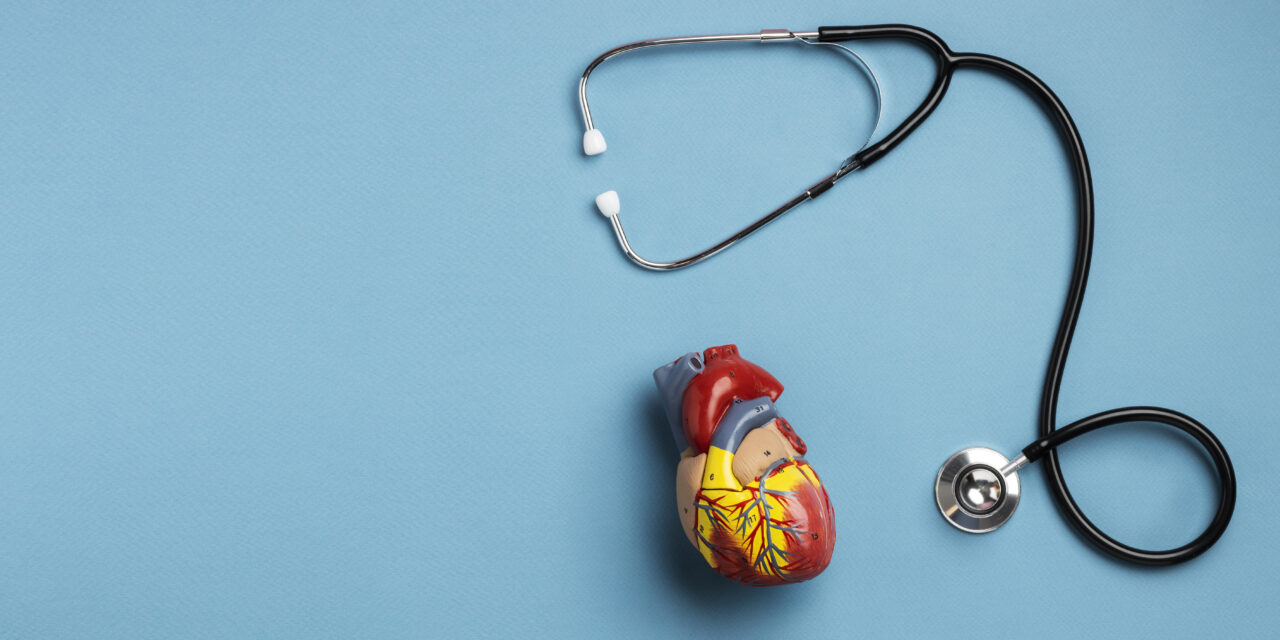
It’s easy to take our heart for granted, but this powerful machine needs tender loving care to keep us functioning at our best. Few of us stop to think about how our heart actually works, each and every day. That is, not until something feels wrong. Yet the heart works every second of every day, pumping blood, oxygen, and nutrients throughout your body to keep organs functioning properly. Without it, nothing else works.
Quick Read:
- The human heart is an incredible muscle, responsible for delivering essential nutrients and oxygen to cells and organs in the body.
- Your heart rate is how many times your heart beats in a 60-second interval.
- Small yet mighty: your heart does important work, but it’s only about the size of a human adult fist.
What is the heart?
If your body is a car, the human heart is the engine. It’s a robust (yet surprising small) powerhouse that keeps us functional. When heart health lacks, you run the risk of developing serious complications like coronary artery disease, hypertension, and heart failure. Atherosclerosis is a condition in which the lining of the arteries is damaged, resulting in plaque formation. Plaque is the substance that causes heart attacks and artery blockages.
Heart disease can strike men approximately 10 years earlier than it does women. One of the early warning signs is erectile dysfunction. While some other risk factors for heart disease are more manageable, you have no control over your family history, ethnicity, sex or age. But fortunately, heart disease is preventable in many cases. Understanding heart disease risk factors and leading a healthy lifestyle can make a huge difference in the health of your organs.
A healthy body is a guest chamber of the soul.
– Swahili Proverb
7 ways to improve your heart health
Move more
- Have you heard that sitting is the new smoking? This simply means – get up and move. Most of us sit at desks to work all day, which is detrimental for our circulation. Exercise every day, and take regular breaks to stand, move around, and stretch. When it comes to fitness, try to include strength training in your cardio workouts. No need for fancy equipment; a simple resistance band and even household items work to give your muscles a run for its money. Strength training and cardio help raise good cholesterol while lowering bad cholesterol. It may also help prevent a heart attack or stroke.
Munch on seeds
- Even just a few small handfuls of nuts and seeds can help lower your risk of heart disease. Try flaxseeds, which contain a good amount of Omega-3 fatty acids (good for reducing blood pressure and inflammation). Chia seeds are also good heart helpers, again because they contain fibre and Omega-3.
Find your zen
- Every day, set aside a few minutes to breathe slowly and deeply. Mindfulness and meditation can help you feel more at ease with daily stressors. You may notice these benefits in your improved quality of sleep, overall reduced stress, lessened desire to overeat, and a general sense of wellbeing.
Walk it off
- Just had a great meal? Don’t linger at the table. A 10-15 minute walk after eating can help regulate blood sugar levels and lower the risk of developing heart disease by improving your circulation. Plus, a gentle stroll after eating is wonderful for improving digestion.
Eat magnesium-rich foods
- Magnesium is an excellent ally in your quest to boost your heart health. It assists in regulating your heartbeat and keeping blood pressure in check. You can find doses of magnesium in spinach, dark chocolate, and pumpkin seeds.

Potassium power
- Potassium helps balance out the negative effects of sodium on blood pressure. Foods like bananas, sweet potatoes, and spinach are tasty sources of potassium.
Quit smoking
- Yes, it’s an obvious one, but a necessary tip. Smoking takes a toll on your heart, lungs, and overall health. Quitting smoking is one of the best things you can do for your long-term health and wellbeing. The longer you stay smoke-free, the better your chances of reducing your risk of heart disease, cancer, and other serious health conditions. As time goes on, your body heals, and your heart and lungs become stronger, significantly improving your overall health and longevity.
Help at hand
Protecting your heart starts with paying attention to the small warning signs before they become bigger problems. Schedule a yearly physical exam, especially if you have a family history of heart disease, high blood pressure, diabetes, or high cholesterol. Regular check-ups can help detect changes early, often before symptoms appear.
It’s also important to keep track of your blood pressure, cholesterol, blood sugar, and weight over time. These numbers provide valuable insight into your cardiovascular health and can help you make informed lifestyle changes where needed. Alongside medical check-ups, focus on daily habits that support long-term heart health; staying active, eating balanced meals, managing stress, getting quality sleep, limiting smoking and alcohol, and taking prescribed medication consistently if required.
Small, consistent actions can have a lasting impact on your heart and overall wellbeing.
Images: Unsplash/Freepik