A chronic condition, rheumatoid arthritis, can take a serious toll on your health
We rely on our joints so much but we hardly ever think about keeping them healthy – until there’s a problem. Rheumatoid arthritis is a significant health condition; let’s learn more.
Quick Read:
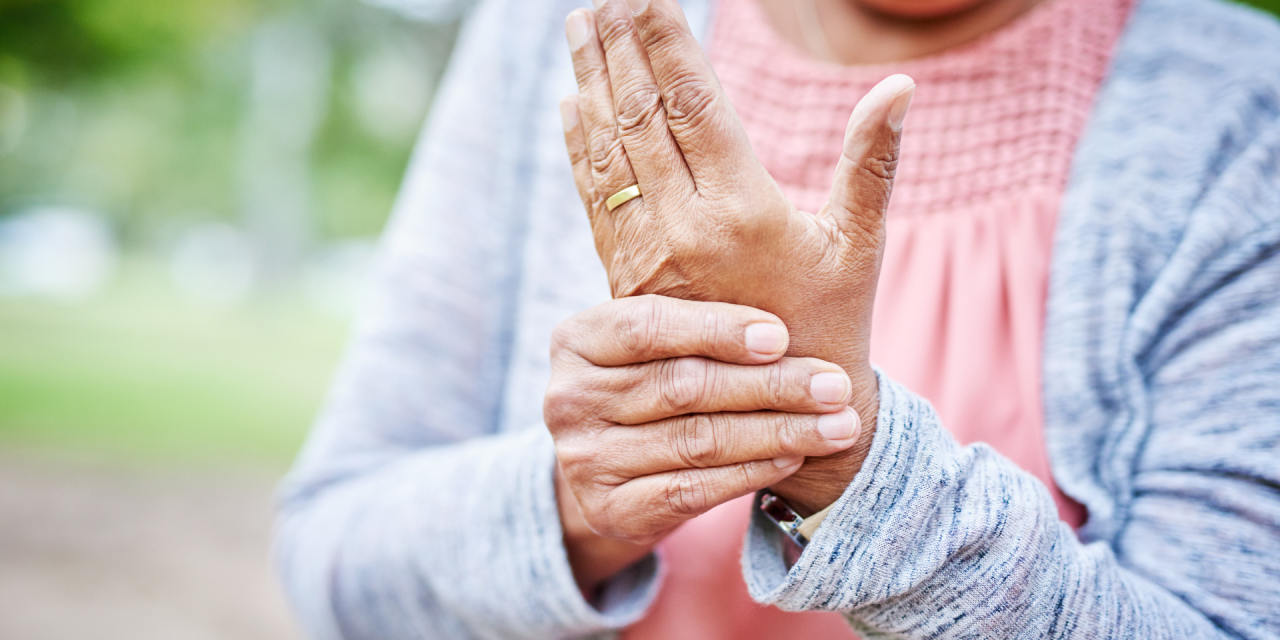
- Rheumatoid arthritis (RA) affects your bones and joints, especially in your hands, legs, or arms.
- RA happens when the immune system mistakenly attacks healthy cells. This causes pain and swelling.
- Arthritis can feel overwhelming, but understanding its roots and how it progresses will empower you to take charge of your health. Make exercise and good nutrition lifelong health pillars to strengthen your mobility and ease the impact of arthritis.
What is rheumatoid arthritis?
When RA starts, it can be mild. At first, it may just feel like stiff muscles, but over time, the pain can worsen to such an extent that it becomes difficult to do even simple everyday activities, like walking up a few stairs.
Some people even struggle to get out of bed as their muscles and joints stiffen up and cause pain. While older people are more likely to get RA, young people are also at risk for this disease, so don’t be fooled into thinking this is only an “older person’s condition”.
How does rheumatoid arthritis start?
Pay attention to stiffness or pain around your toes and ankles. This is one of the telltale signs as RA often attacks first in your feet. Other signs include swelling of your joints; they feel warm or tender to the touch. You may struggle to do normal movements like climbing stairs or walking even a short distance.
Take note of how you feel in the morning. RA sufferers often experience stiffness in their joints, especially in the morning or if they’ve been inactive for a period. This stiffness can often last longer than 30 minutes.
Unfortunately, as arthritis progresses, it can cause more troublesome symptoms. Inflammation, pain, difficulty moving around, and inflexible joints are all common symptoms of various types of arthritis.
RA can start at any age, but it commonly begins between ages 30 and 50. Still, young adults and even children can be affected by juvenile arthritis.
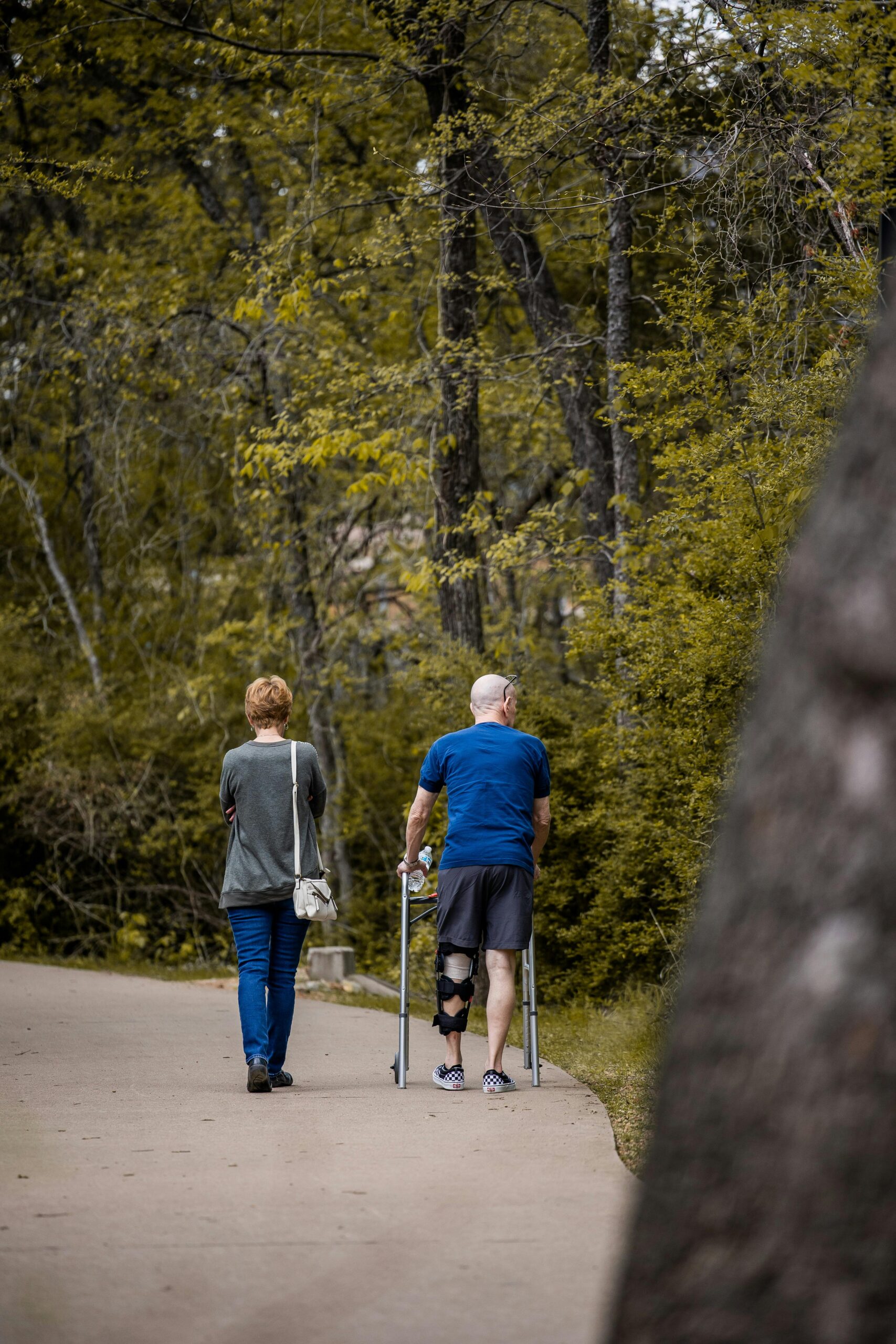
Common causes of rheumatoid arthritis
Medical experts don’t have a specific understanding of what causes RA, but there are a few factors that seem to trigger the condition.
- Family history/genetics: If members of your family have RA, you may also be at risk for rheumatoid arthritis. Certain genes make you vulnerable to autoimmune diseases.
- Lifestyle elements: Take a look at your daily habits. Are you a smoker? Do you rarely exercise? How healthy are your meals? Are you frequently sick? Your lifestyle can affect your triggers for RA.
- Hormonal changes: Women who are experiencing hormonal changes, for example, during pregnancy or menopause may be at risk for RA. You should also know that excess weight can place extra stress on your joints, causing pain and stiffness.
- Stress and trauma: Physical injuries or high stress levels may also provoke RA or make its symptoms worse.
What not to do when you have rheumatoid arthritis
Don’t ignore the role of your diet. Filling your diet with processed foods, excess sugar, and unhealthy fats can worsen inflammation and increase joint pain. Similarly, failing to include anti-inflammatory foods like Omega-3-rich options (such as fatty fish, flaxseeds, and walnuts) and antioxidant-rich fruits and vegetables can limit your body’s ability to manage symptoms and repair tissue.
Don’t overlook your weight either. Carrying excess weight puts additional strain on already sensitive joints and can intensify inflammation. Poor dietary habits that lead to weight gain will ultimately make rheumatoid arthritis harder to manage and may accelerate joint damage.
How do I manage rheumatoid arthritis?
Most important is to not ignore pain, swelling, stiffness, and inflexibility. The sooner you see a doctor and get a diagnosis, the better your chances of relief. If you leave rheumatoid arthritis untreated, it can quickly get worse and you may find it difficult to walk or use your hands.
Along with treatment, focus on staying as flexible as possible before symptoms start to pop up. Exercise regularly. Swimming and walking are both good workouts to stay fit and maintain your joint health. Gentle resistance training and lifting light weights are also great options.
When you do have flare-ups, take care to rest your joints to prevent further inflammation and damage. Get advice from your doctor about braces or assistive devices that can help reduce the stress on your joints during daily activities. Also, make it a priority to clean up your diet and start eating healthier, more nutritious foods that contain essential vitamins and minerals for better bone health.
Images: Pexels