A vision to make women’s health safer and more accessible
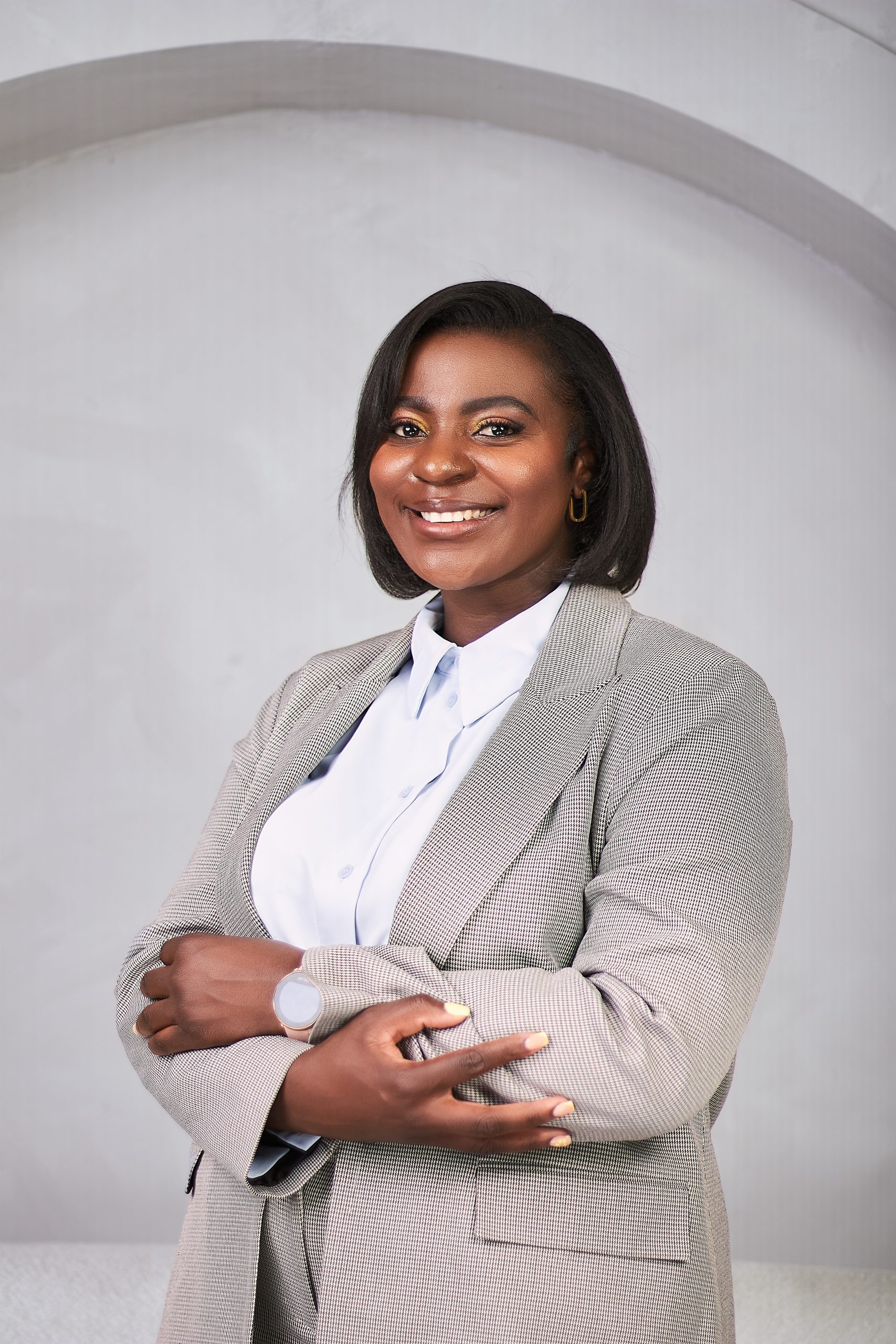
Her objective is simple but powerful: to ensure women feel informed and supported in taking control of their health. Meet Dr. Nshali Mathebula, a women’s health advocate whose work in obstetrics and gynaecology has placed her at the frontline of the challenges many African women face. Through her daily encounters with patients, she sees firsthand how lack of access, limited information, and deeply rooted myths continue to delay care.
What inspired you to become a women’s health advocate?
I have worked in obstetrics and gynaecology for the past five years, and it has deeply shaped my passion for women’s health. I’ve noticed a consistent pattern: many women have limited insight into health conditions that affect them. This lack of awareness contributes to the high burden of women’s diseases because when women don’t know when to screen, how to identify red flags, or when to seek urgent care, they often present with complications that could have been prevented. I feel a strong responsibility to bridge that gap. I want to empower women with knowledge, strengthen their confidence in discussing their health, and ultimately, help them seek care earlier and more boldly.
When it comes to gaps, several challenges stand out:
- Limited access to adequate healthcare facilities and specialist services
- Financial constraints that impact timely consultations and investigations
- Low health literacy, which affects understanding and early intervention
- Cultural and social norms that discourage open conversations about women’s health
- Communication barriers, including language and lack of patient-friendly education
These gaps collectively widen the divide in health outcomes. My advocacy aims to close that divide by making credible, simple, and accessible women’s health information available to every African woman.
What’s one women’s health myth you wish would retire for good?
That contraception causes infertility. This is one of the most persistent misconceptions in women’s health, and it continues to create unnecessary fear. While certain contraceptive methods may delay the return of fertility, none of them cause infertility. Infertility has a wide range of causes, of which male factors also contribute significantly, and must always be considered. Women deserve to be empowered with accurate information so they can use contraception confidently.
How do we know when something is not normal and needs medical attention?
Firstly, we should not normalise pain at all. Pain is the body’s way of signalling that something may be wrong. There are certain characteristics of pain that should immediately raise concern:
- Sudden or sharp pain
- Pain that is not relieved by rest or medication
- Persistent or worsening pain
By the time pain affects your routine, it often means the underlying issue has progressed and it should never get to that stage. Pain that is persistent, recurrent, or associated with other symptoms (bleeding, fever, dizziness, swelling, or unusual discharge) calls for prompt medical attention.
Women should feel empowered to seek help early, rather than enduring discomfort that could signal a serious condition.
What are the main signs of hormonal imbalance that women often ignore?
Many early signs of hormonal imbalance are subtle yet important indicators that the body needs attention. These include irregular or unpredictable periods, persistent fatigue, unexplained weight gain, and mood changes.
Why are PCOS, fibroids, and endometriosis usually diagnosed late?
Many women don’t realise that their symptoms are warning signs.
Pain, heavy bleeding, irregular periods and bloating are frequently normalised or blamed on stress or lifestyle.
Watch for irregular or absent periods, persistent acne, unusual hair growth, difficulty losing weight; heavy or prolonged bleeding, bleeding between periods and a growing or bloated tummy (common with fibroids); and severe period pain that disrupts daily life, pain during sex or ongoing pelvic pain (often linked to endometriosis).
What advice do you have for women who feel dismissed or not listened to by healthcare providers?
Do not give up on your health because of dismissive or disrespectful encounters. When you withdraw, you give power to that system or individual who made you feel unheard. Your health is too important to abandon. If you feel dismissed, seek a second opinion or explore alternative providers. You have the right to be seen, heard, and treated with dignity.
Even in private healthcare, many women report leaving consultations feeling unsatisfied or still uncertain about their conditions and this should not be normalised. Give feedback or lodge a complaint when necessary. Some healthcare workers may not realise that their communication style needs improvement unless patients speak up.
Constructive feedback helps improve the system for the next woman who walks through the door. Your voice matters. Keep advocating for yourself until you receive the care and clarity you deserve.
What does good health and wellbeing look like to you personally?
Good health and wellbeing is a balance where my physical, emotional, and spiritual health are aligned. It’s having the energy to show up fully in my daily life, the mental clarity to make sound decisions, and the emotional stability to navigate challenges without feeling overwhelmed. It’s also about being in tune with my body: recognising when something feels off, honouring rest, nourishing myself well, and seeking help early when I need it.
What simple daily habits can busy women adopt to protect their overall wellbeing?
One of the most powerful habits is having a routine or structured daily plan. When your day is organised, it becomes easier to intentionally fit in practices that support your physical, emotional, and spiritual wellbeing. Planning also keeps you self-aware, it allows you to notice red flags early. Consistency in small, intentional habits can make a significant difference in long-term wellbeing.
If you could give one powerful message to every African woman about her body and health, what would it be?
Your body is a treasure; the foundation of your daily strength, purpose, and potential. Nurture it with care and intention. Learn and understand your body, to know what is normal for you and what isn’t. Empower yourself with knowledge, and never hesitate to get help when something feels wrong. Confidence in your health is confidence in your future.
Images: Freepik/Supplied