Dr. Soni sheds light on why epilepsy is still misunderstood in South Africa
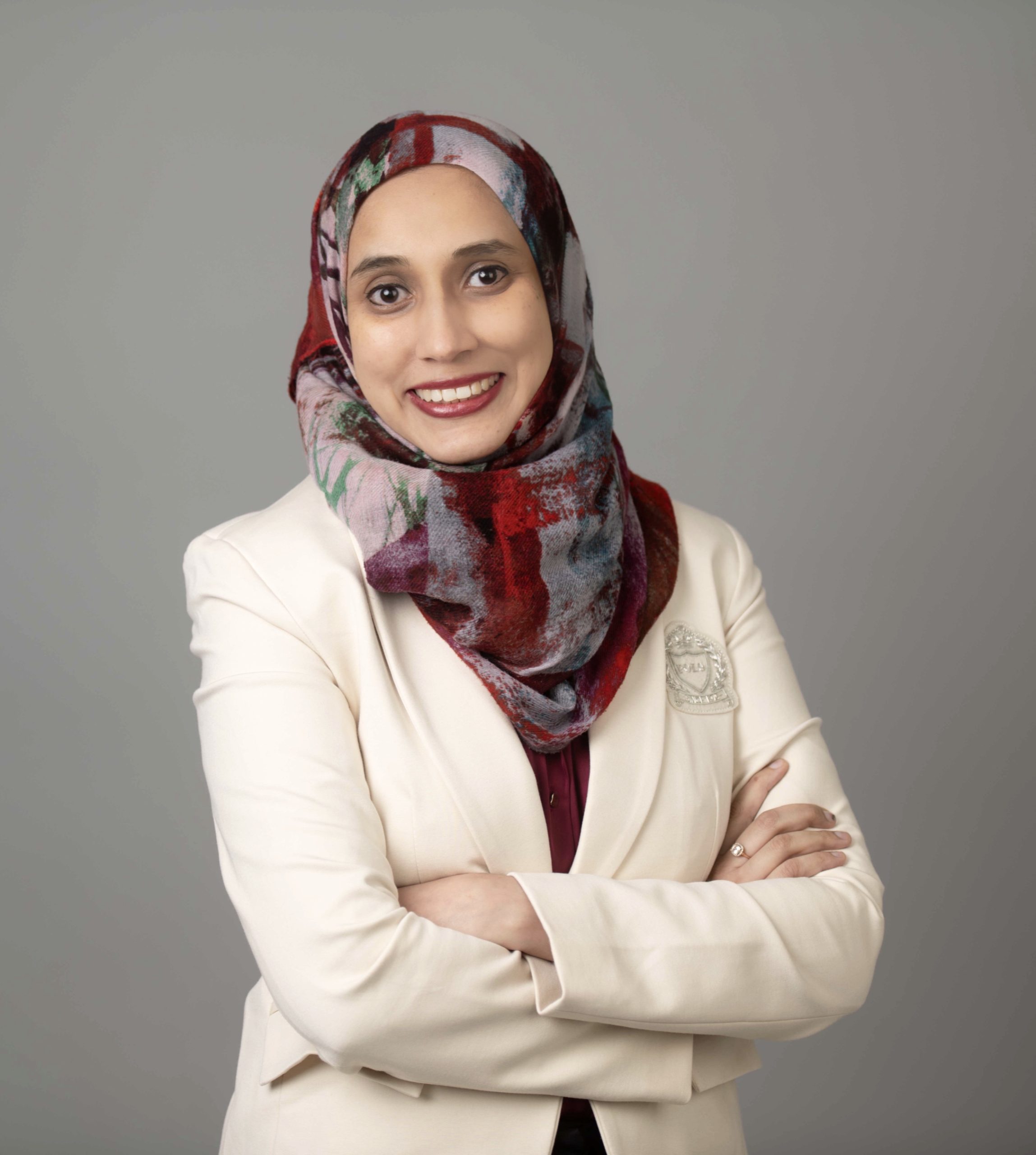
Beyond the seizure… what does epilepsy really look like in South Africa’s healthcare system? Dr. Aayesha Soni is a specialist adult neurologist and epileptologist with expertise in complex epilepsy, epilepsy surgery, and neuromodulation.
Here, she shares her journey as a neurologist, working to demystify epilepsy and break barriers for patients who need solutions, understanding, and treatment.
The journey to neurology and epilepsy
I sometimes joke that neurology chose me. When I was a junior doctor, I thought I would go into emergency medicine or anaesthetics as I wanted to do humanitarian work. When my older sister, who is also a doctor, was diagnosed with a spinal tumour, neurology stopped being abstract textbook material and became deeply personal.
I started reading everything about the brain and realised how profoundly neurological disease shapes identity, independence, and dignity.
Epilepsy came into focus early with my Master’s project, and I saw patients who had spent years living in fear of seizures – unable to drive, work, or plan their lives – become seizure-free after specialist care or surgery. Watching someone reclaim their life is incredibly powerful. It’s hard to walk away from that. At the same time, I became increasingly aware of the enormous treatment gap in epilepsy care across Africa.
Around 80% of people with epilepsy live in low- and middle-income countries, yet access to specialist care is extremely limited. That combination of human impact and the public health need made my decision inevitable.
Why epilepsy remains misunderstood in South Africa
Epilepsy is common, but paradoxically invisible. People often only see epilepsy at its most dramatic – a convulsive seizure – and not the long stretches of normal life in between. That makes it easy for misunderstanding and stigma to take root. In South Africa and across Africa, epilepsy is still surrounded by myths.
Some people believe it’s contagious, spiritual, or a sign of mental illness. These beliefs can affect education, employment, relationships, and even marriage prospects. In many cases, the stigma is more disabling than the seizures themselves.
The tragedy is that epilepsy is highly treatable. But when people fear the diagnosis or delay seeking help, they lose years of their lives. One of the most important parts of my job is education; helping people understand that epilepsy is a neurological condition, and that people living with it deserve dignity and access to care.
The difference between a seizure and a seizure disorder
A seizure is an event. Epilepsy is a condition. Many people will have a seizure at some point in their lives – due to fever, infection, alcohol withdrawal, or head injury. That doesn’t necessarily mean they have epilepsy. Epilepsy is diagnosed when the brain has an ongoing tendency to produce unprovoked seizures.
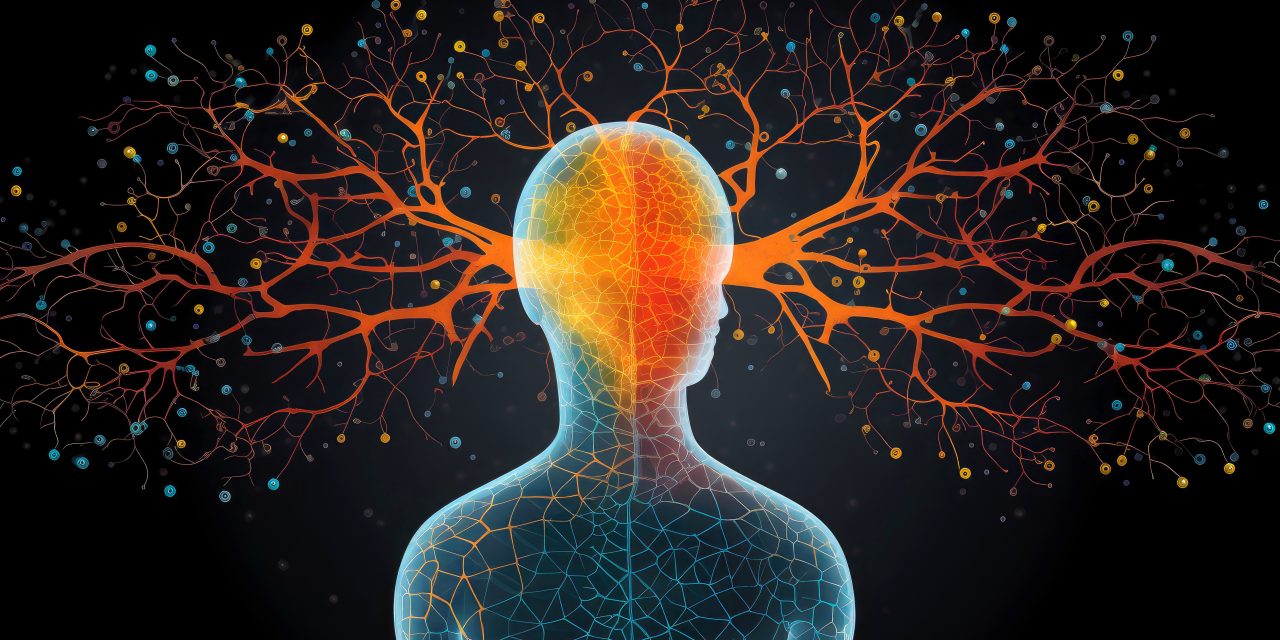
Imagine the brain is an electrical network. A seizure is like a sudden electrical storm. Epilepsy is the underlying tendency for those storms to recur. The encouraging part is that most people with epilepsy can be treated successfully, and many become completely seizure-free with the right care.
Common types of seizures and epilepsy symptoms you should never ignore
Many people are surprised to learn that seizures are not always dramatic or obvious. The most common seizures are focal seizures, which start in one part of the brain. These can look like brief “blank spells”, memory gaps, sudden confusion, or sensations such as déjà vu, unusual smells, or a sudden wave of fear.
People often dismiss these symptoms for years before receiving a diagnosis. By the time some patients reach me, they’ve been having seizures for a decade or more without knowing it. That delay can have huge consequences for education, employment, and safety. If someone has repeated unexplained episodes of altered awareness or memory loss, it should always be investigated.
Why epilepsy diagnoses are often delayed
The barriers are complex and deeply systemic. There is limited access to neurologists and epilepsy specialists, especially in the public sector. Waiting lists can be long and specialised investigations are not always easily available.
There is also a major awareness gap. Many people simply don’t recognise seizures when they occur, particularly non-convulsive seizures. And then there is stigma; some people delay seeking help because they fear the diagnosis.
All these factors contribute to the “epilepsy treatment gap” – the difference between how many people have epilepsy and how many receive appropriate treatment. Closing that gap is one of the biggest challenges in global neurology.
Breaking the myths: the stigma surrounding epilepsy in South Africa
It’s a myth that people with epilepsy cannot live full, successful lives. I have patients who are doctors, engineers, teachers, parents, artists, and entrepreneurs. With the right treatment, most people with epilepsy can live completely normal lives.
Another myth is that epilepsy is rare. It isn’t – it is one of the most common neurological conditions in the world. And perhaps the most harmful myth is that epilepsy is something to be hidden. The silence surrounding epilepsy fuels stigma and delays diagnosis. The more we talk about it, the more we change lives.
An international approach to epilepsy care
Training in Canada was transformative. I trained in advanced epilepsy care, including stereo-EEG and neuromodulation technologies that allow us to map the brain with extraordinary precision and offer surgical treatments to patients with drug-resistant epilepsy. Returning home from that experience was exciting. I saw how many patients in South Africa did not have access to the same life-changing treatments, and this was an opportunity for them!
The experience shaped my mission: not only to treat patients, but to build systems and services so that advanced epilepsy care becomes locally accessible. I had always planned to bring those skills home and use them to serve South Africans.
Epilepsy medication, advances, and improved outcomes
Epilepsy treatment has changed dramatically in recent decades. We now have modern anti-seizure medications, dietary therapies, neuromodulation devices, and epilepsy surgery – which can be life-changing or even curative for some patients. One of the most exciting areas is epilepsy surgery. Research from Cape Town shows seizure-freedom rates comparable to high-income countries, even in resource-limited settings. That tells us something incredibly hopeful: world-class outcomes are possible here.
The future of epilepsy care
I would love to see a future where access to epilepsy care does not depend on where you live or your financial resources. We need more specialists, more epilepsy surgery programmes, and stronger awareness. We know what works. The next step is scaling access so that every patient who needs specialised care can receive it.
Resilience and hope in epilepsy
Many epilepsy patients live with uncertainty every day, yet they continue to build careers, families, and meaningful lives. Seeing someone regain independence after years of seizures is one of the most rewarding experiences in medicine.
It reminds me constantly why this work matters. For someone recently diagnosed with epilepsy, I want them to know that epilepsy is treatable, and there is real hope. Most people with epilepsy can live full and meaningful lives. Many become seizure-free.
A diagnosis is not the end of your story. For many people, it is the beginning of getting their life back.
Images: Vecteezy/Supplied