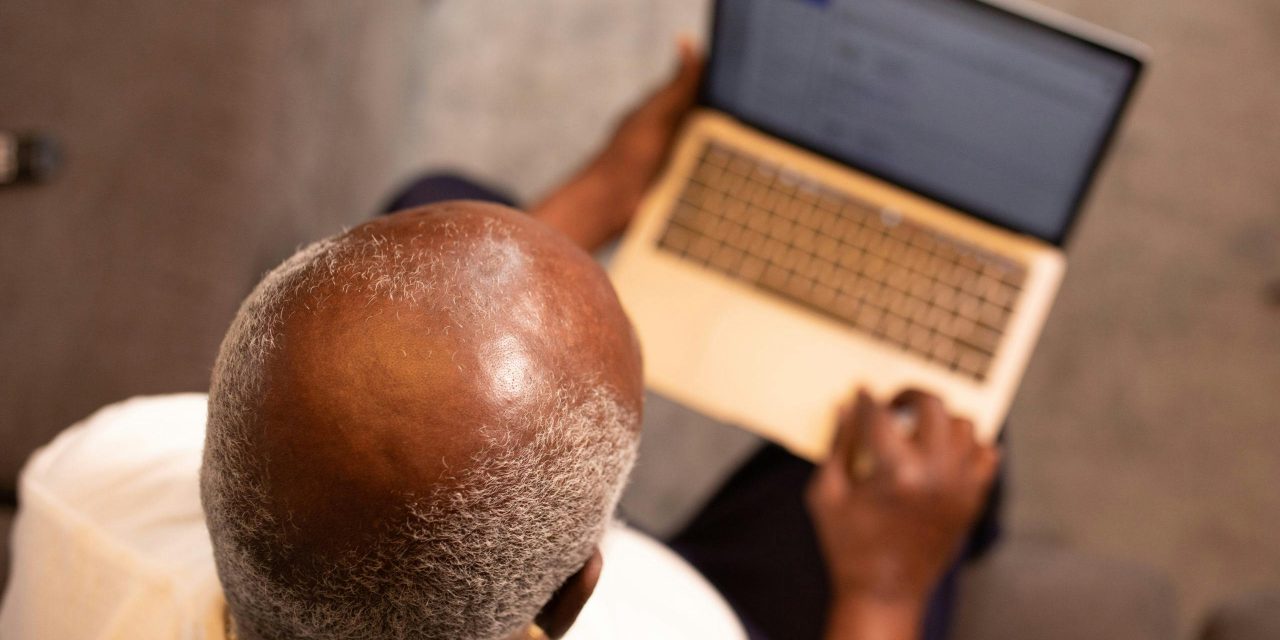
Male-pattern baldness, also known as androgenic alopecia, refers to hair loss in men
Once upon a time, your hair was as thick as a forest. Now, the view in the mirror looks a little different. If you are noticing changes in your hairline, you are not alone. Male-pattern baldness is a natural and common experience for millions of men.
Quick Read:
- Male-pattern baldness (androgenic alopecia) is the most common form of hair loss in men, often starting at the hairline or crown.
- It can begin as early as your late teens or early 20s and usually progresses gradually.
- A dermatologist can help confirm whether your hair loss is genetic or caused by another underlying factor.
- From approved medications and laser therapy to hair transplants or simply embracing the look, you have full control over your next steps.
What is male-pattern baldness?
Male-pattern baldness, medically known as androgenic alopecia, refers to progressive hair loss driven by genetics and hormones.
It typically follows a recognisable pattern:
- Hair begins thinning at the temples, creating an “M” shape at the front.
- A sparse or bare patch develops at the top of the scalp.
- Over time, these two areas may expand and meet.
While it can start as early as your teens or 20s, it becomes more common with age.
What causes male-pattern baldness?
Male-pattern baldness is driven primarily by genetics and an androgen hormone known as dihydrotestosterone, or DHT, which is a derivative of testosterone. If you are genetically susceptible, your hair follicles are overly sensitive to DHT. Over time, the hormone causes these follicles to miniaturise, making it increasingly difficult for healthy hair to grow. As the growth cycle shortens, strands grow back thinner and weaker until the follicle eventually stops producing hair altogether.
Because this type of hair loss is deeply tied to your genetics, it frequently runs in families. If your father or other relatives experienced hair loss, your likelihood of developing it increases. While it is predominantly associated with men, women can also be vulnerable to hormone-related hair thinning. Ultimately, understanding the biological roots of hair loss helps demystify the process, reminding us that embracing the change is simply another stage of life.
The strength of a man is in his character, not his muscles (or hair).
– African Proverb

Early signs of male-pattern baldness
Everyone loses hair daily. What matters is the type of hair being shed. In early balding, follicles shrink over time, producing progressively thinner, shorter hairs before they fall out. If you’re consistently seeing shorter, finer strands than the rest of your hair, that’s a strong indicator. True crown thinning shows as a gradual loss of density that expands over time, not a fixed spot that has always looked the same. If your hairline is intact and overall density is strong, a visible crown is almost always benign.
Wet hair is a useful diagnostic tool, but only in context. Water causes hair strands to clump, naturally exposing more scalp even in people with full density. The key signal is change: if your scalp is significantly more visible when wet than it used to be, that suggests reduced density.
Genetics influence risk but don’t determine outcomes with certainty. A family history of balding increases the probability, but patterns vary widely. Don’t rely on this alone to assess whether you’re currently losing hair. The common thread across all early signs is progression. Male pattern baldness is not defined by a single symptom, but by consistent, observable changes in hairline position, hair thickness, and overall density over time.
Nutrition to help prevent hair loss
While there’s no cure for hair loss (yet), certain foods can assist and maintain healthy hair growth and may even slow down hair loss. Here are some foods that could make a difference:
- Eggs are packed with protein and biotin, both of which are necessary for hair to grow. Biotin helps fortify hair and nails, while protein gives your hair the building blocks it needs.
- Spinach is an impressive source of iron. It enhances hair health by helping red blood cells carry oxygen to hair follicles. It’s also brimming with vitamins A and C, both of which help keep hair moisturised.
- Nuts and seeds, especially almonds, walnuts, and flaxseeds, contain Omega-3 fatty acids. These good fats nourish the hair and keep it strong, reducing breakage.
- Berries help protect hair follicles from damage and lend a hand to create collagen, a protein that strengthens hair.
- Sweet potatoes contain beta-carotene, which your body converts to Vitamin A. Vitamin A encourages more sebum production (the natural oil on your scalp), helping to keep your hair healthy and moisturised.
- Avocados are good sources of Vitamin E and can improve scalp circulation and boost hair growth. The healthy fats in avocados also moisturise your scalp and hair.
- Greek yoghurt is high in protein and B vitamins, particularly B5 (pantothenic acid), which helps with blood flow to the scalp and hair growth.
- Beans and lentils are excellent helpers for hair growth and repair.
Help at hand
It’s not always male-pattern baldness that causes your hair to fall out all at once rather than gradually thinning over time. Other issues like anaemia, thyroid problems, certain medications and steroids, as well as scalp infections may also make your hair fall out.
Ask a doctor about the possible treatments for hair loss. These usually include prescription medication or medical shampoos/treatments. Also, if you’re not ready for medication just yet, you can always shave it all off. A brave decision that you may come to embrace.
Images: Pexels