Excessive salt can have a direct impact on your heart health
Salt rarely grabs the headlines, but it plays a quiet, powerful role in your heart health. While your body needs a tiny amount of sodium to function, most of us consume far more than necessary, often without even picking up a salt shaker.
The hidden truth about “fancy” salts
Before we dive into the mechanics, let’s clear up a common myth. Sodium is sodium. Whether it’s pink Himalayan salt, trendy sea salt, or gourmet kosher salt, they all contain roughly the same amount of sodium. Switching to a “natural” salt won’t protect your heart health; only reducing your total intake will.
Fluid retention
Excess sodium causes the body to hold water, increasing blood volume and putting pressure on vessel walls, a primary cause of hypertension. Understanding the link between salt and your heart is a small shift in awareness that can make a meaningful difference in your long-term wellness.
Your heart health: what role does salt play?
In moderation, salt is essential. It provides sodium and chloride, minerals that help muscles contract, enable nerve signalling, and maintain the body’s balance of water and minerals. However, problems arise when intake exceeds what the body can process.
How salt affects blood pressure
When sodium levels are too high, the kidneys cannot clear it efficiently. To compensate, the body retains water to dilute the excess salt. This extra fluid increases blood volume, which raises the pressure within your bloodstream.
This constant strain forces the heart to work harder, eventually stiffening blood vessels and raising blood pressure quietly. Over time, this increases the risk of stroke, heart failure, and heart attack.
Beyond the heart: bone health
Did you know? High salt intake also affects your bones. Excess sodium causes the body to lose calcium through urine. If your diet doesn’t replace it, your body “borrows” calcium from your bones, weakening your bones and increasing the risk of osteoporosis.

Your heart health: the importance of moderation
While minimising salt is beneficial, aggressive elimination can be counterproductive. Extremely low salt intake is associated with low blood pressure, dehydration, and elevated blood fat levels. The objective is balance, not total removal.
Recommended daily imits for salt intake:
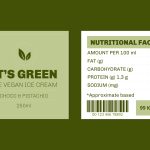
To stay in a healthy range, always check food labels for sodium values per serving or per 100g.
- Maximum limit: 2,300 mg per day.
- Ideal target: 1,500 mg (approximately three-quarters of a teaspoon).
Small swaps for big results
- Choose unsalted nuts and dried peas and lentils over canned versions.
- Rinse canned vegetables thoroughly to remove excess salt.
- Treat salty snacks as occasional indulgences.
- When eating out, request that meals be prepared without added salt.
How much salt should I eat daily?
So, how do you stay in the safe zone? Start with the label. Choose foods that are marked as low-sodium or reduced sodium. Check the sodium value per 100g or per serving, as this is the quickest way to compare products honestly.
As a benchmark, the American Heart Association recommends a limit of 2,300 mg of sodium per day, with an ideal target of 1,500 mg (about three-quarters of a teaspoon) for most adults, especially those with hypertension.
Flavour without the fallout: practical tips for your heart health
Lowering your salt intake doesn’t mean your meals have to be bland. It’s an opportunity to explore a wider world of flavour.
Let herbs do the heavy lifting
- Replace salt with fresh or dried aromatics. Garlic, cumin, smoked paprika, chilli, lemon zest, rosemary, and coriander can transform a dish without adding a single milligram of sodium.
Choose whole foods
- The majority of our sodium comes from processed, “hidden” sources like bread, deli meats, and canned soups. By leaning into fresh vegetables and unprocessed proteins, you naturally cut out the hidden additives.
How to read labels
- Don’t just look at the front of the box. Check the “sodium” line on the nutrition facts. Compare products per 100g or per serving to find the lowest-sodium option.
These aren’t drastic changes. They’re practical choices you can start today to improve your heart health. Please also take care if you have high blood pressure or heart disease, and get personalised advice. A doctor or registered dietitian can help you find an eating plan that protects your heart health without sacrificing taste and enjoyment.
Frequently Asked Questions
- If I don’t add salt at the table, am I safe? Not necessarily. Over 70% of the sodium in the average diet comes from processed and restaurant foods. Checking labels is the only way to be sure.
- Is sea salt healthier than table salt? Chemically, they are nearly identical in sodium content. Sea salt may have trace minerals, but not enough to provide health benefits that outweigh the risks of high sodium.
- How long does it take for tastebuds to adjust to less salt? Usually about two to four weeks. After your tastebuds adjust, you’ll actually find highly salted foods unappealingly bitter or sharp.
Images: Freepik