
A bone density test is a quick, painless procedure that measures the health of your bones
As we age, it’s important to take care of our bones to stay as strong and healthy as possible. A bone density test is a helpful way to assess the strength of our bones so we can be proactive in minimising the risk for bone-related health conditions.
Quick Read:
- Getting older creates different challenges, not least of which is that our bones get weaker, but with good habits, we can stay healthier for longer.
- A bone density test is a screening procedure used to assess your risk of developing osteoporosis.
- Medical conditions such as rheumatoid arthritis can exacerbate your risk for weaker bone density.
What is bone density?
Bone density is the compactness of bone tissue in relation to its volume. A decrease in bone density is a normal part of ageing. However, in some people, excessive loss of density may lead to fractures. Less commonly, an increase in bone density occurs in certain disorders.
Do I need a bone density test?
For women, doctors typically recommend having bone density tests from around age 65. Still, anyone is susceptible to osteoporosis, and you may need a test earlier if:
- You have a family history of osteoporosis or fractures.
- You are experiencing early menopause (before the age of 45).
- You have other medical conditions like rheumatoid arthritis, hyperthyroidism, or certain gastrointestinal diseases.
- You have a sedentary lifestyle, smoke, consume excessive alcohol, and typically eat processed foods with little fruit, vegetables, wholegrains, and lean meat.
- You take medications that cause bone thinning.
How a bone density test works
A DEXA scan uses low-dose X-rays to measure the amount of calcium and other minerals in your bones.
This allows your doctor to assess your bone density (thickness), understand your overall bone health, and estimate your risk of osteoporosis. It can also indicate how much bone loss you may have already experienced.
Understanding the results of a bone density test
Bone density results are reported as a T-score, which compares your bone density with that of a healthy young adult of the same sex. According to the World Health Organization:
- Normal: T-score of -1.0 or higher
- Low bone mass (Osteopenia): T-score between -1.0 and -2.5
- Osteoporosis: T-score of -2.5 or lower
These scores can help your doctor determine the best treatment for your condition.

Signs and symptoms of osteoporosis
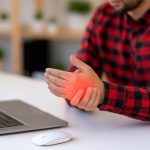
Osteoporosis is often called a silent condition because it can develop without obvious symptoms. Ongoing bone or joint pain is frequently dismissed as part of everyday life, but it shouldn’t be ignored, especially if it persists or worsens over time.
Repeated fractures from minor falls or low-impact injuries can also point to weakened bones. A noticeable loss of height or a more stooped posture may indicate compression fractures in the spine. Persistent back pain, especially when it feels different from typical muscle strain, can also be a warning sign.
How do I prevent osteoporosis?
Firstly, stay on point with your regular check-ups. Remember the golden rule – prevention is better than cure. The earlier you get treatment for an issue, the better your outcomes.
- Make it a point to cultivate and stick to healthy habits. Cut back on alcohol, quit smoking, and try to eat plenty of fresh fruit, vegetables, wholegrains, and calcium-rich foods to strengthen your bones.
- You may shy away from exercising if your bones feel weak, but actually, regular workouts can be beneficial. Choose low-impact, gentle workouts like walking or swimming, light strength training to boost muscle mass and bone density, and flexibility exercises like yoga. These workouts are easy on the joints and sustainable.
- If you’re on various medications, speak to your doctor about the side-effects. As we mentioned above, some medications can thin and weaken your bones further. Ask your doctor about alternative medication options that may have less severe impact on your bone density.
- You can also ask a pharmacist for recommendations on Vitamin D or calcium supplements. Query the different forms of calcium (such as calcium carbonate and calcium citrate) and Vitamin D (D2 and D3).
Remember, a nutritious diet, combined with regular exercise and consistent screenings can go a long way in ensuring your bones remain healthy now, and in the future.
Images: Pexels