Hair loss is not the most comfortable topic to talk about, but it affects millions of people worldwide
Hair loss is natural, and it affects many people each day. It’s not exclusive to being at a certain age (although ageing can be a contributing factor). Unfortunately, there are some men and women who lose their hair early in their 20s too.
While some hair shedding is completely normal, it can feel alarming when you notice visible thinning or sudden hair loss. The good news is that many causes of hair thinning are treatable, and in some cases, hair growth can improve once the underlying issue is addressed.
Quick Read:
- It’s tempting to take supplements and vitamins that promise to restore your hair, but please always check with a doctor before trying a new product.
- Stress is a natural part of life, but long-term stress can damage your health, including your hair.
- A good diet matters to help combat thinning hair and hair loss. Pay attention to what you eat and make healthier choices.
- Losing up to 100 hairs a day is normal.
Understanding normal hair loss
Before you spiral straight into a panic, it helps to understand what is normal. Human hair grows naturally in cycles. Each hair follicle evolves in phases of growth, rest, and shedding. Thanks to this cycle, most people lose between 50 and 100 hairs per day. Sounds like a lot, but it’s to be expected.
Here’s where it becomes problematic. If you notice excessive shedding, widening part lines, or visible scalp areas, it may indicate thinning hair or an underlying health issue.
A simple method to use to check for abnormal shedding is the pull test. Run your fingers gently through clean, dry hair and lightly pull near the ends. If several strands come out easily, it’s time to take action.
Common causes of thinning hair and hair loss
Alopecia (hair loss/baldness) comes down to three main culprits: hormones, genetics, and age. As you get older, your hormone levels go through change too, and these fluctuations may affect hair follicles, growth, and loss. Then there’s genetics. So, you can go ahead and blame the family tree for this one! With men, if male-pattern baldness runs in the family, chances are you may have the condition too.
There’s also temporary hair loss, which can manifest from an illness, a period of stress, anaemia, or a thyroid issue. It’s worth looking into your diet to manage hair loss. Are you getting enough protein and iron? A lack of either could lead to thinning hair.
What’s in the medication you’re taking? Few of us actually take the time to read the little info leaflet in the box. So, while we may know of general effects like nausea or a headache, hair loss could also be a side-effect of some medication. Ask your pharmacist if you’re unsure.
Your diet might also affect hair loss. Research points to nutritional deficiencies that can affect both hair structure and hair growth. Hair follicles require nutrients to grow properly. Low levels of iron, protein, zinc, or certain vitamins can weaken hair structure and slow growth.
Help at hand: natural ways to support healthy hair growth
Shampoos, hair-strengthening pills and potions, and other hair growth miracle cures are easy to find in shops and pharmacies.
The big question: do they work?
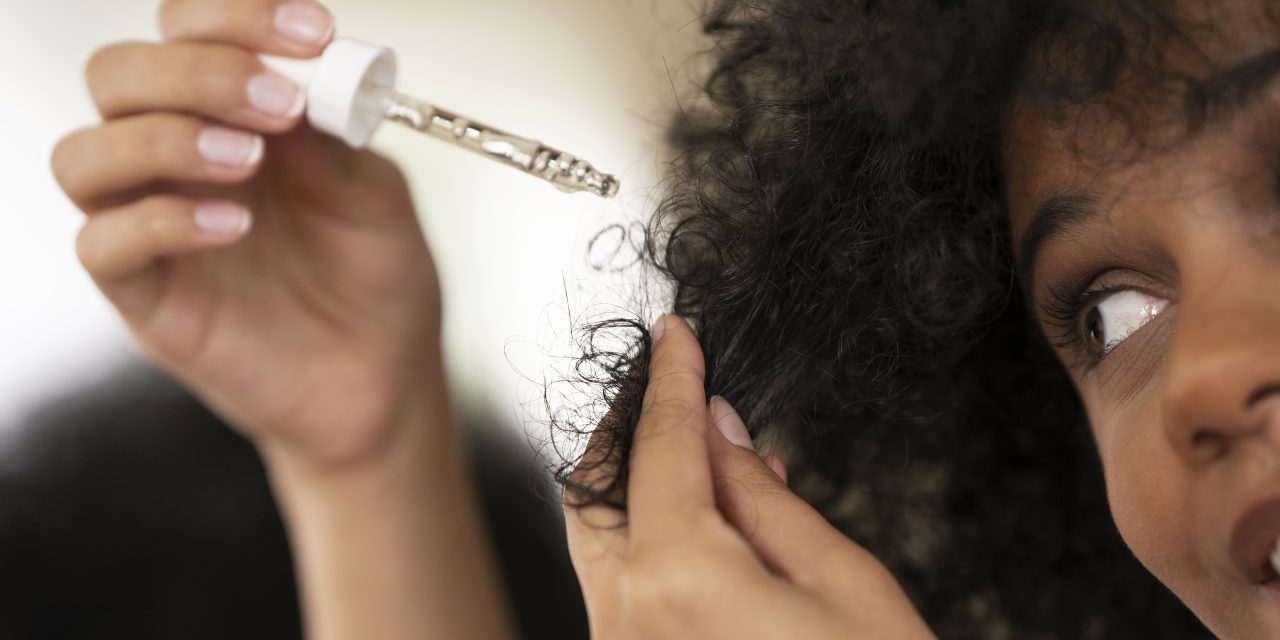
Before you rush out and buy them all, speak to your doctor or pharmacist about the cures, side-effects, and general success rates. Yes, there are treatments that show great success, like scalp lotions and tablets to block the effects of hormones, but you’ll need expert advice to guide you. Like with many things, the possibilities are endless, and you may get caught up in trying treatment after treatment with no luck.
Speak to your doctor, get a proper diagnosis and then work on treating the problem. But first do your best to make small, sustainable, healthier choices each day. That means drinking plenty of water, managing stress levels, exercising regularly, and eating a nourishing diet that’s filled with plenty of vitamins and minerals.
You may find that these small changes are the first step in strengthening your hair follicles and preventing further hair loss. Also, be gentle with your hair. Excessive heat styling, tight hairstyles, and harsh chemical treatments can damage hair shafts and contribute to breakage.
Occasional shedding is normal, but medical advice may be helpful if:
- Hair loss happens suddenly
- Patches of hair fall out
- The scalp becomes itchy, painful, or inflamed
- Hair thinning worsens rapidly
- Hair loss follows illness or medication changes
A healthcare professional can identify the underlying cause and recommend appropriate treatment options.
Images: Freepik/Pixabay