You’ve probably heard it all when it comes to pregnancy – but what about genetics? Specifically, epigenetics
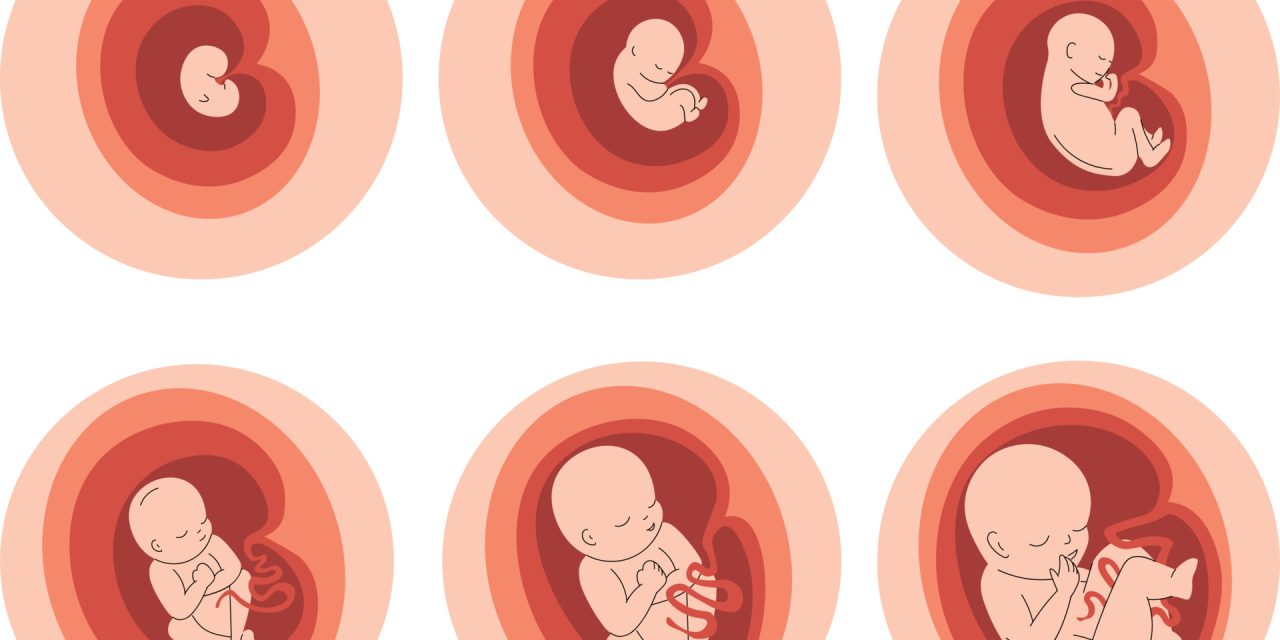
The environment you provide for your developing baby – through what you eat, drink, smoke, or stress about – is what your child could programme themselves to expect of the world they’re entering. This is the concept of epigenetics, in relation to pregnancy. Let’s learn more.
Quick Read:
- Epigenetics explains how genes may be adapted by the environment; and how these adaptations affect your baby.
- Epigenetics suggest that your influence goes beyond your child, potentially shaping your grandchildren and generations to come.
- Small health and lifestyle changes now can have lifelong effects on your family’s long-term wellbeing.
It’s in the genes: understanding epigenetics
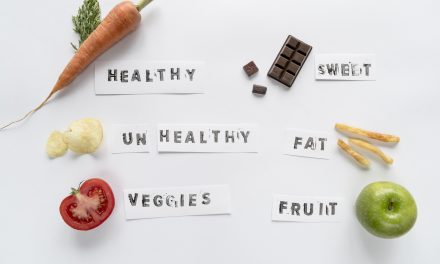
Exercise regularly, fill up on fruit and vegetables, cut out sugar, go easy on the salt, and of course, no smoking or drinking. For the most part, we understand the basic building blocks of a healthy pregnancy.
And while it may seem like the simplest advice in the world, where does this come from? Why is it that folic acid is more beneficial during pregnancy than salty snacks and sweet treats? There is method to the madness that is the gene pool.
This science is called epigenetics and it explains how genes can be adapted by the environment; and how this affects your baby. The changes happen when one of those environmental factors alter the way a certain gene expresses itself; how those certain factors may substantially affect your baby’s development in one way or another.
So, how does this work during pregnancy? According to researchers, when a baby is exposed to high levels of stress in the womb, it could affect their health both in childhood and later in life. One of the main ways this happens is through a process called DNA methylation, a chemical tagging system in the body. Imagine tiny sticky notes being placed on parts of your DNA, telling certain genes to be louder, quieter, or silent altogether. So, stress during pregnancy may influence where those “sticky notes” get placed.
While findings aren’t wholly consistent, the basic sentiment remains that stress-related epigenetic changes may be connected to certain outcomes in children. These include anxiety-like behaviours, emotional regulation difficulties, differences in stress response, and some neuro-developmental patterns.
Epigenetics and your pregnancy
Epigenetics is not an exact science. You don’t have total control and can’t change your baby’s hair or eye colour – but you can influence some other important factors such as your baby’s weight and his or her intelligence.
Think about it like this: the chemicals that your baby is exposed to in utero, poor nutrition, or cigarette smoke – are all biological switches that affect a baby’s development in some way.
For example, if the mom is overweight, this can affect weight control mechanisms in her child, leading to obesity or diabetes years down the road. Alternatively, if you are super-conscious of weight gain during pregnancy and eating less, you may subconsciously programme your baby to expect an environment of deprivation when out of the womb.
When they feel this way, genes in turn are modified with this expectation and their metabolism may be altered to become “thrifty”, expecting less food or nutrition.
The problem comes in when the baby is born and is fed normally, not as skimpily as he had expected, but at this point the gene has altered already and the child may conserve more of the food he gets and become fatter.

Epigenetics of previous generations
Interestingly, these changes and adaptations may stem from generations past. Yes, this means that your mother’s health even before you were born might play a part in your own little baby’s disposition. Studies are showing that simple things like eating particular foods could lead to specific nutritional effects in your grandchildren or great-grandchildren.
Does this all mean that your unborn baby is already on the worst possible course because of your mother’s unhealthy nutritional habits or your own fondness for fast food? Not necessarily.
The good news is that for every stressor that can negatively affect the gene pool, there is also much that can be done to help your baby’s development. It’s never too late to start employing good habits, nutritionally and otherwise.
Lifestyle factors that influence your baby’s health
- Omega-3 fats are essential for the development of your baby’s brain and can help prevent premature labour. Ask a pharmacist about a pregnancy-friendly supplement.
- Get enough Vitamin D. This is as simple as stepping outside into the sunshine for a few minutes every day. Vitamin D is instrumental in developing your baby’s brain.
- Invest in a probiotic. Probiotics are found in naturally fermented foods (kefir, natto). If not readily available, consider a probiotic supplement. Experts suggest that taking it during pregnancy and breastfeeding is particularly beneficial as it will help to balance your immune system.
- Add Vitamin K to your diet. Newborns receive a Vitamin K injection for blood clotting but you can also start incorporating Vitamin K into your diet now so that if you do breastfeed you will pass it on to baby. You will find sources of Vitamin K in cauliflower, broccoli and cabbage, celery, green beans (boiled), and parsley.
Remember, it’s never too late to create better health habits. Your genes still have a long way to travel down the line with your children’s children and their children’s children…
Images: Vecteezy