Protecting your little one: understanding RSV in babies
If you are a new parent, you have likely heard the term “RSV” whispered with concern in paediatrician waiting rooms and online parenting forums. Respiratory Syncytial Virus (RSV) is a common virus that causes infections of the lungs and respiratory tract. While most children recover from it easily, RSV in babies, especially newborns and premature infants, can become serious because their airways are so small and their immune systems are still learning how to fight.
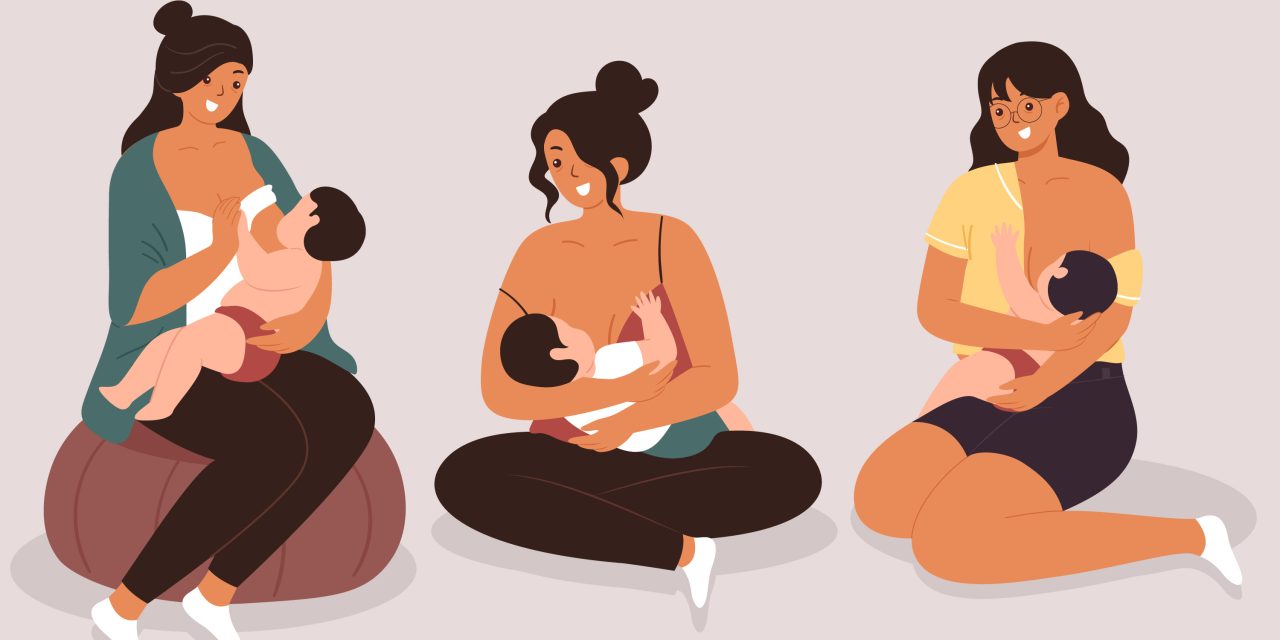
Breastfeeding is already a dynamic partnership between mother and baby. A responsive, living system designed for protection and nourishment. When a baby becomes ill, that partnership becomes even more powerful. During a hospital stay, access to breastmilk is not simply about feeding. It can be a critical therapeutic intervention.
What is RSV in babies?
Respiratory Syncytial Virus (RSV) is a common virus that infects almost all children by the age of two. However, in infants, particularly those under six months, RSV can cause severe lower respiratory tract infections such as bronchiolitis and pneumonia. In South Africa, RSV season has already begun. RSV remains one of the leading causes of hospitalisation in children under five years of age worldwide.
How breastmilk protects babies with RSV
Breastmilk is protection and therapy. Human milk is biologically designed to protect infants against infection. It contains:
- Secretory IgA antibodies
- Lactoferrin
- Human milk oligosaccharides (HMOs)
- Anti-inflammatory factors
- Living immune cells
When a baby is exposed to an infection, the mother’s body receives signals through close contact and saliva exchange during breastfeeding. In response, her milk adapts, increasing specific antibodies and immune factors tailored to that exposure.
This is not simply nutrition. It is immunological precision.
During RSV infection, breastmilk helps:
- Support the infant’s immature immune system.
- Reduce inflammation.
- Protect the respiratory and gastrointestinal mucosa.
- Potentially decrease severity and duration of illness.
For hospitalised babies, breastmilk truly functions as a form of biologically active medicine.
Can breastfeeding prevent severe RSV?
Exclusive breastfeeding has been associated with reduced risk of severe respiratory infections, including RSV-related hospitalisation. While breastfeeding alone cannot eliminate viral exposure, it strengthens an infant’s immune defenses and supports gut integrity, a critical component of immune function.
The infant’s gut plays a central role in immune development. Breastmilk shapes the microbiome, reduces intestinal inflammation, and supports a balanced immune response all of which influence how the body responds to respiratory infections.

What happens if your baby is hospitalised with RSV? Protecting your breastfeeding journey
RSV can leave babies weak, fatigued, and temporarily unable to feed effectively at the breast. This does not mean breastfeeding must end. Here are key protective strategies:
Prioritise skin-to-skin contact
- Skin-to-skin contact stabilises heart rate, breathing, and temperature. It also maintains milk supply signals and helps babies transition back to direct breastfeeding when they regain their strength.
Express milk if direct feeding is not possible
- Expressed breastmilk remains powerful and protective. Regular pumping (ideally eight to 10 times in 24 hours for young infants) protects milk supply during separation or feeding difficulties. Using the correct pump and flange size is essential, and support from a lactation professional can prevent supply loss.
Protect maternal health
- Hospital stays are emotionally and physically exhausting. Mothers often neglect their own hydration, nutrition, and rest. Inadequate intake and stress can impact milk production. Accept support. Eat regularly. Hydrate. Rest whenever possible. Your body is part of your baby’s treatment plan.
Seek lactation support early
- Proactive lactation guidance during hospitalisation improves long-term breastfeeding outcomes. Don’t wait until supply drops; early intervention protects the journey.
RSV in South Africa
South Africa’s RSV season typically runs from February to May, although infections can happen at any time. The numbers are growing as each year, thousands of children under five develop severe RSV illness, and a substantial proportion of hospital admissions in the first six months of life are linked to RSV.
Last year, the South African Health Products Regulatory Authority, approved a long-acting monoclonal antibody to help protect infants against RSV before or during their first season. This adds an additional prevention layer alongside breastfeeding and infection control practices. If you’re unsure about your baby’s risk, speak to a healthcare professional at your local clinic for guidance on RSV prevention and what support is available to you.
Help at hand for parents
If your baby is facing RSV, you may feel frightened and powerless. But know this: your body is not passive in this fight. Your milk is adaptive, intelligent, and responsive. It is one of the few therapies uniquely designed for your baby alone.
Whether given at the breast, via syringe, cup, or feeding tube, it carries protection, regulation, and healing. Breastfeeding during illness may look different. It may require pumping, support, patience, and resilience. But it remains one of the most powerful contributions you can make during this vulnerable time.
In the midst of monitors and oxygen lines, remember: your milk is still working. Your body is still responding. And you are still an essential part of your baby’s recovery.
Images: Freepik