
Too much screen time can affect your child’s focus, sleep, and learning
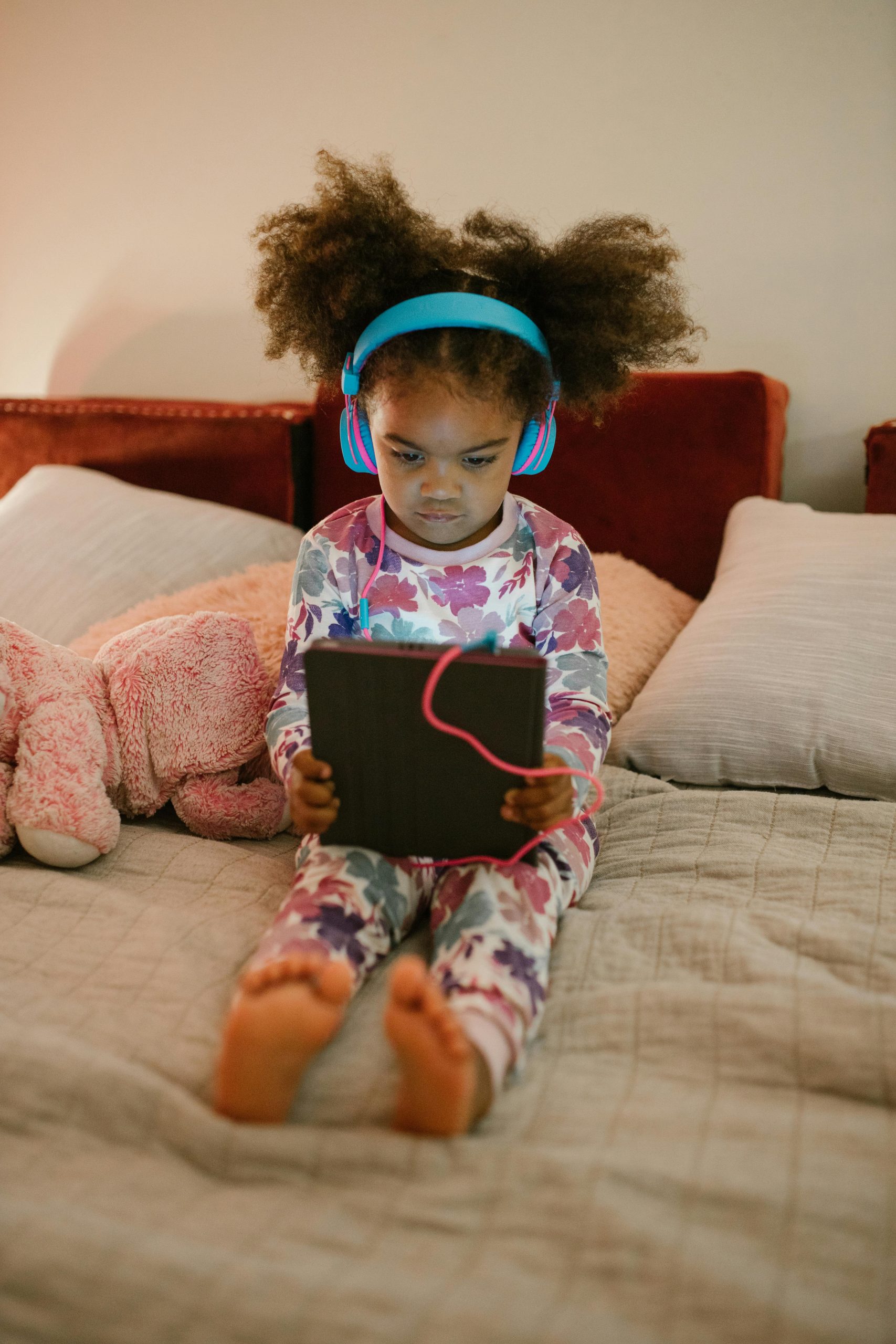
Screens are everywhere; from tablets and TVs to smartphones and gaming consoles. While technology can be educational and entertaining, it can also affect your child’s attention, memory, sleep, and behaviour. The bad news, however, is that prolonged or unstructured screen use may influence attention span, memory, and emotional regulation, especially in growing children.
Understanding how screen time affects your child helps parents make informed, balanced choices. Here’s what parents need to know.
The problem with excessive screen time
Could you guess just how much time a day your child spends on screens? Recent research by Stellenbosch University revealed that teenagers spend more than three hours each day on their phones.
It may not sound like much, but excessive screen time has been linked to:
- Shortened attention span
- Reduced memory and learning efficiency
- Sleep problems
- Behavioural issues, including irritability or anxiety
Over time, these effects can influence school performance, emotional wellbeing, and your child’s daily routines.
What are children doing online?
These days, children spend a lot of time online, whether it’s watching videos, playing games, chatting with friends, or even doing homework. On average, children aged 8–12 are online at least four hours a day, while teenagers often spend even more.
On the upside, some screen time can be wonderful for learning and creativity, like educational apps or interactive games. But too much time just watching videos or scrolling through social media can affect their focus, sleep, and mood.
The key is balance: encourage regular breaks, set limits, and join in their online activities when you can to make screen time safe and meaningful. The goal isn’t to eliminate screens; it’s to use them intentionally. Also, try not to use cellphones or screentime as “rewards.”
Age-appropriate screen time limits
0–2 years:
- No recreational screen time. Focus on hands-on play, talking, and reading with your baby.
2–5 years:
- Up to 1 hour each day of high-quality, educational content. Co-watch whenever possible.
6–12 years:
- Up to 2 hours a day of recreational screen time. Encourage breaks, outdoor play, and offline hobbies.
13+ years/Teenagers:
- Focus on balance rather than strict limits.
- Make sure that your child isn’t becoming addicted to their screens.
- Watch that screen time doesn’t doesn’t interfere with sleep, schoolwork, physical activity, or social time. Encourage mindful and purposeful use.
Helping your child build healthy screen habits
Managing your child’s screen time can feel like a daily struggle, especially when screens are everywhere. It’s completely normal to feel frustrated or guilty, but remember, you’re not alone, and small steps can make a big difference.
Start by observing how your child uses screens: which apps or games they enjoy, when they get most absorbed, and how it affects their mood, sleep, or attention. Understanding these patterns helps you guide them without making screens feel like a constant punishment. Try setting simple, clear boundaries, like keeping bedrooms and mealtimes screen-free, or encouraging short, frequent breaks during longer sessions.
Practical tips for balanced screen use
- Keep bedrooms and mealtimes screen-free.
- Encourage short, regular breaks during longer screen sessions.
- Make screen time interactive, not just passive, co-watch or play together.
- Model healthy habits by managing your own screen use.
Celebrate small wins, such as finishing homework before gaming or choosing creative play over scrolling.
Swap some screen time for fun offline alternatives like board games, arts and crafts, outdoor play, or reading together. Celebrate small successes, like finishing homework before gaming, or choosing a creative activity instead of scrolling endlessly.
Remember, balance is key: screens aren’t inherently bad, but with consistent boundaries and mindful choices, you can help your child enjoy technology safely while developing healthy habits that last a lifetime.
Images: Pexels